 Chris Robert
Germany – In a controversial interview, AfD politician Björn Höcke has ignited a national debate by asserting that Germans in the country's western regions are not truly German, but rather Americans who happen to speak the language. His incendiary remarks, made public recently, seek to attribute societal polarization to this perceived erosion of national identity.
Höcke, a prominent figure within the Alternative for Germany (AfD) party, articulated his view that a profound cultural shift has occurred in the former West Germany. He posited that the unique cultural fabric of Deutschsein, or Germanness, has been supplanted by American influences. This, in his estimation, leaves western Germans as linguistic Germans without a core national identity.
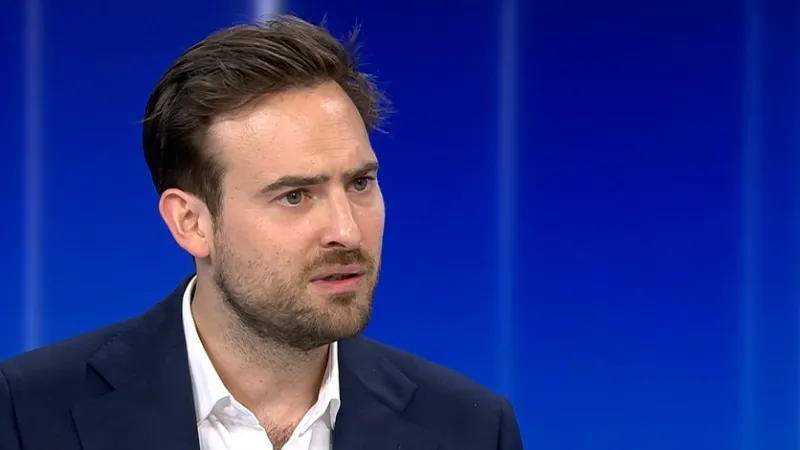
Sebastian Vorbach, an editor with WELT-TV, swiftly characterized Höcke's statements as self-discrediting. Vorbach observed, "He makes this state for the polarization of society in the country responsible." This critical assessment underscores the potential for Höcke's rhetoric to further exacerbate existing social divisions.
The AfD politician explicitly linked this perceived cultural dilution in the West to the increasing polarization witnessed across German society. His argument suggests that a fractured national identity contributes directly to political and social friction, framing his perspective as an explanation for contemporary societal challenges.
Höcke's pronouncements align with a broader strategic push by parts of the AfD to redefine German identity, often through exclusionary narratives. The party has consistently positioned itself as the defender of traditional German values, frequently drawing sharp lines between perceived insiders and outsiders.
Such rhetoric invariably draws parallels to historical divisions within Germany and rekindles debates about national self-understanding post-reunification. The concept of Deutschsein has long been a complex and often contested topic in the nation, making Höcke's remarks particularly resonant and controversial.
While specific public reaction data is still emerging, comments of this nature from a high-profile politician typically generate significant public discourse and strong condemnation from mainstream political parties. Critics often accuse the AfD of using identity politics to sow discord and gain electoral advantage.
The controversy also surfaces amidst ongoing efforts by other political forces to counter the AfD's growing influence. For example, discussions around Germany's Political Firewall Tested: CDU Leader Eyes Left Support Against AfD illustrate the strategic challenges faced by established parties in responding to the AfD's populist appeal.
Furthermore, a concerted effort by Anti-AfD Activists Mobilize Erfurt Residents Door-to-Door to Disrupt Party Congress underscores the robust civil society response to the party's agenda. Such activism demonstrates the broad resistance to perceived extremist viewpoints.
Höcke's latest comments are expected to further intensify the already heated political climate in Germany, particularly as the nation grapples with questions of national cohesion and cultural identity in an increasingly globalized world. The debate over who constitutes a true German is likely to persist and evolve.