 Demian Sahputra
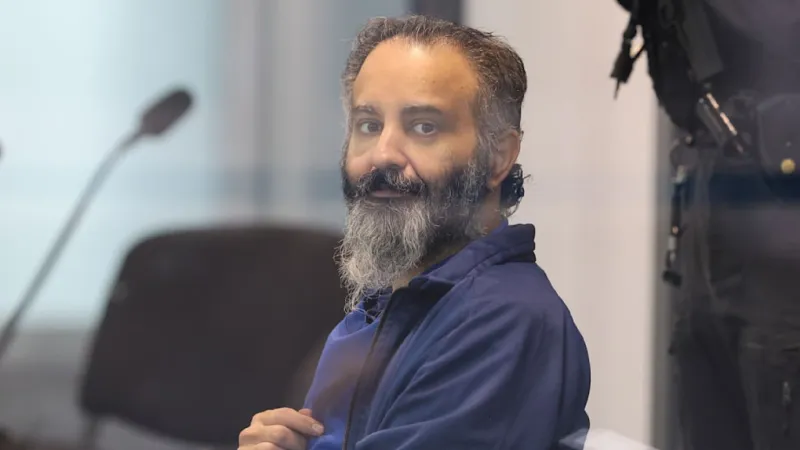
LOS ANGELES — Lawyers representing Ramon Rodriguez, the man accused of deliberately starting the devastating Palisades fire, have characterized their client as "angry, intense, and driving erratically" in the period leading up to the inferno that ravaged parts of Los Angeles in Spring 2026. This description, revealed during recent court filings, offers a glimpse into the evolving defense strategy as legal proceedings against Rodriguez intensify.
The attorneys assert that Rodriguez displayed significant behavioral distress, with court documents detailing accounts of heightened emotional volatility and reports of reckless driving. This portrayal aims to paint a complex picture of Rodriguez beyond the simple accusation of arson.
Rodriguez faces multiple felony charges, including arson of an inhabited structure and unlawfully causing a fire, stemming from the blaze that erupted on May 14, 2026, in the hills above the Pacific Palisades neighborhood. He was arrested shortly after the fire began.
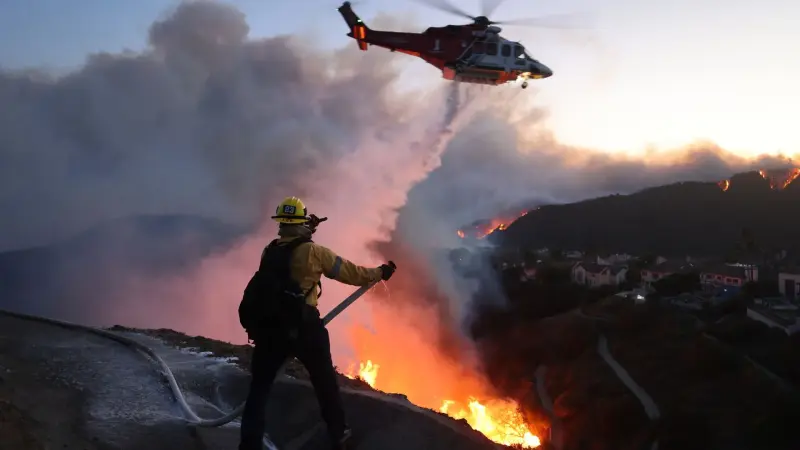
The Palisades fire quickly escalated, consuming over 1,200 acres, destroying several homes, and forcing thousands of residents to evacuate under threat from the rapidly spreading flames. Firefighters battled the unpredictable blaze for days, contending with steep terrain and gusting winds.
Since his arrest, Rodriguez has been held without bail. His initial arraignment saw him plead not guilty to all counts. The recent disclosures regarding his demeanor come as pre-trial motions and discovery continue, with both sides preparing for what is expected to be a high-profile trial.
Sources close to the defense team suggest that these statements are part of an effort to explore Rodriguez's mental state at the time of the alleged offense. While not explicitly confirming an insanity plea, the portrayal of erratic behavior could be crucial in mitigating potential penalties or challenging prosecutorial intent.
Prosecutors, however, have maintained that the evidence against Rodriguez is substantial. They allege Rodriguez intentionally set multiple fires, leading directly to the widespread destruction. The District Attorney's office has not yet publicly responded to the latest defense characterizations.
The news of Rodriguez's alleged state of mind has stirred mixed reactions among affected residents. Many are still grappling with the trauma and financial toll of the fire, expressing a desire for justice and accountability for those responsible.
Authorities had previously stated that eyewitness accounts and surveillance footage were instrumental in identifying Rodriguez as the primary suspect. Investigators have also reportedly found evidence linking him directly to the origin points of the fire.
The Palisades fire is one in a series of major wildfires that have plagued California in recent years, often exacerbated by drought conditions and Santa Ana winds. The legal system has increasingly sought severe penalties for individuals found guilty of arson, recognizing the catastrophic impact on lives and property.
A preliminary hearing is scheduled for late Summer, where a judge will determine if there is sufficient evidence to proceed to trial. The legal teams are expected to present further evidence and witness testimonies during these critical pre-trial phases.
The case holds significant implications for how arson cases are prosecuted in California, particularly when mental state or behavioral issues are introduced as part of the defense. It will test the balance between holding individuals accountable for their actions and understanding the complexities of human behavior.