 Edward DP Situmorang
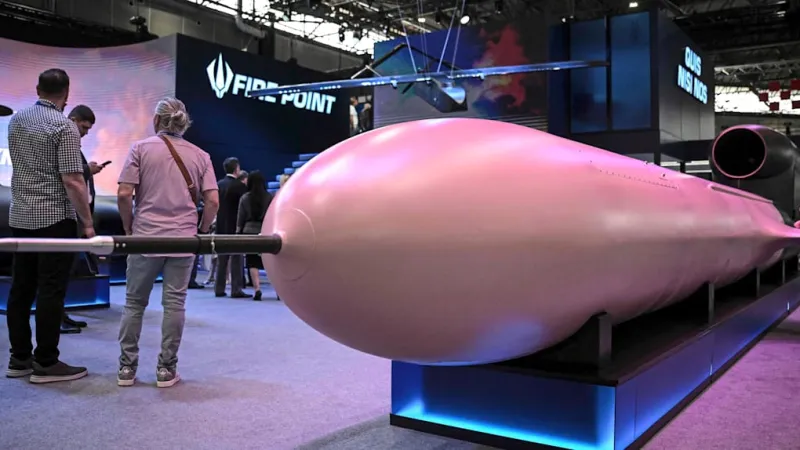
BERLIN – Germany is actively seeking alternative sources for advanced cruise missiles, turning its strategic gaze towards Israel and Ukraine as potential suppliers following an unexpected absence of deliveries from the United States. This significant pivot underscores Berlin's urgent efforts to bolster its defense capabilities amidst a rapidly evolving global security landscape.
The unexpected slowdown or cessation of anticipated American shipments has compelled German defense planners to re-evaluate their immediate procurement strategies. The situation highlights the inherent complexities of international arms agreements and the critical necessity for nations to cultivate diversified supply chains for vital military hardware.
Israel's defense industry, renowned for its cutting-edge missile technology and proven operational effectiveness, emerges as a prime candidate for fulfilling Germany's immediate needs. Its track record in developing sophisticated defense systems offers a compelling and readily available solution.
Simultaneously, Ukraine, despite its ongoing conflict, has made remarkable strides in expanding its domestic defense production capabilities. The nation's ability to innovate rapidly under wartime pressure has positioned it as an emergent, albeit nascent, arms supplier, demonstrating its potential for strategic partnerships.
Beyond these immediate acquisition efforts, Germany holds a long-term vision of fostering collaborative European projects for the joint development and production of cruise missiles. This initiative aligns with broader European Union aspirations for enhanced defense autonomy and increased interoperability among member states.
However, this strategic realignment is not without its internal challenges. The shift towards non-traditional suppliers and the pursuit of greater European integration face potential hurdles within Germany's domestic political arena and bureaucratic structures. Any significant change in defense policy can encounter opposition or logistical complexities that impede swift implementation.
For instance, ongoing debates within German political circles regarding industrial policy and coalition stability could impact such significant defense spending and strategic shifts. Reports detailing issues like the SPD Stance Threatens German Industry, Coalition Collapse Looms or the growing influence of the AfD Power Threatens German Internal Security Oversight provide context to the intricate political environment influencing these decisions.
The imperative for modern cruise missiles is amplified by the current geopolitical climate, particularly the persistent tensions in Eastern Europe. For a leading NATO member like Germany, possessing advanced deterrence capabilities is paramount for national security and collective defense.
Germany's decision to explore options beyond its longstanding US supplier could also carry broader implications for transatlantic defense cooperation. It signals a potential strategic adjustment towards greater European self-reliance in the provision of critical military hardware, a move that could reshape alliance dynamics.
Acquiring these advanced weapon systems necessitates substantial financial commitments, prompting rigorous discussions about budget allocations and defense spending priorities within the German government. Ensuring that the Bundeswehr remains equipped with state-of-the-art technology is a core tenet of modern defense planning.
The technological sophistication of modern cruise missiles is vital for maintaining military parity and ensuring that Germany's armed forces can effectively respond to contemporary threats. This procurement drive is not merely about numbers but about capability.
Ultimately, this proactive pursuit of alternative cruise missile suppliers marks a pivotal juncture for German defense policy. It represents a pragmatic approach to balancing immediate operational requirements with long-term strategic independence and enhanced European collaboration, ensuring Germany remains a robust contributor to regional and global security.