 Chris Robert
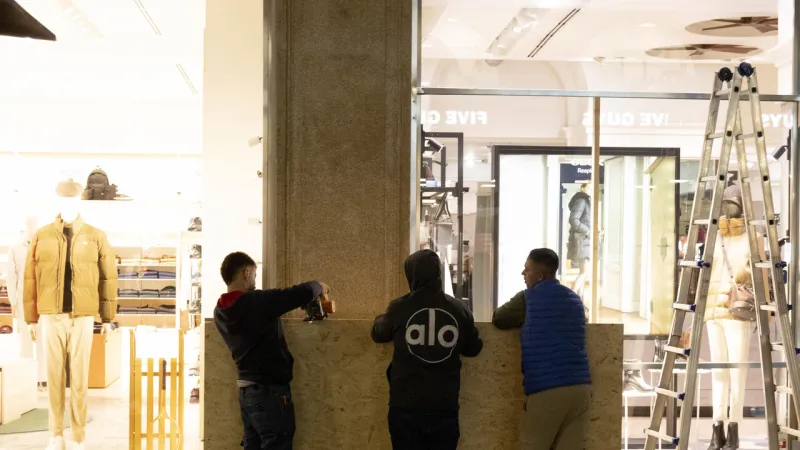
ROME, Italy – Italian authorities have implemented extensive security measures across major cities including Milan, Rome, Turin, and Castel Volturno in Campania as new waves of anti-war demonstrations and protests against migrant repatriation centers (CPRs) are anticipated or underway. The heightened security, described as “blindate” or fortified squares, follows calls for various rallies, some of which have drawn condemnation from religious leaders.
The widespread security operations underscore a national concern regarding public order amid various socio-political tensions. Police forces have been deployed in significant numbers, setting up cordons and monitoring key public spaces to prevent any escalation of unrest, a common response to large-scale demonstrations across Europe, similar to when France Deploys 70,000 Police Amid Mounting Riot Fears.
In Rome and Turin, the focus of the protests remains firmly on anti-war sentiment. Activists and citizens are taking to the streets to express their profound dissatisfaction with ongoing global conflicts, urging for diplomatic resolutions and an end to military interventions. These demonstrations typically attract a diverse coalition of peace advocates, student groups, and political organizations.
The logistical challenges for security forces are considerable, requiring detailed mapping and strategic deployment to cover multiple urban centers simultaneously. From the northern industrial hub of Milan to the southern coastal areas, the police presence is a visible reminder of the proactive stance adopted by the Italian government to manage potential civil disturbances.
Simultaneously, the situation in Campania, particularly around Castel Volturno, is amplified by strong local opposition to the establishment or expansion of migrant repatriation centers. These facilities, known as CPRs, are a contentious issue across Italy, often sparking debates about human rights, integration, and local resource allocation.
Crucially, religious leaders have weighed in on the CPR debate. Bishops in Campania have publicly voiced their opposition to the CPR facility in their region, adding a significant moral and ethical dimension to the protests. Their stance highlights the humanitarian concerns associated with the treatment and conditions within these centers.
This convergence of anti-war and anti-migrant facility protests presents a complex challenge for law enforcement and local administrations. Each type of demonstration draws from distinct grievances but collectively contributes to a volatile environment requiring careful management and de-escalation tactics.
Authorities have issued advisories to the public regarding potential disruptions to traffic and public transport in the affected areas. Citizens are urged to remain vigilant and follow official guidance as events unfold throughout the day and into the evening.
The police strategy involves a combination of static presence at designated flashpoints and mobile units ready to respond to spontaneous gatherings. The objective is to maintain public safety while respecting the right to peaceful assembly, though unauthorized or disruptive actions will be met with firm responses.
Past protests in Italy, such as those by the October 17 Movement Defies Crackdown, have shown that demonstrators can be persistent and resourceful, often defying security crackdowns to make their voices heard. This history informs the current, rigorous preparations.
The government continues to monitor the situation closely, with officials reiterating their commitment to upholding democratic freedoms while ensuring the security and well-being of all citizens. The unfolding events across Italy serve as a barometer of public sentiment on critical national and international issues.
The fortified squares, a visual manifestation of state readiness, aim to deter any attempts to exploit the demonstrations for violent or destructive purposes. Public perception of such measures remains divided, balancing concerns over civil liberties with the imperative of maintaining law and order.