 Edward DP Situmorang
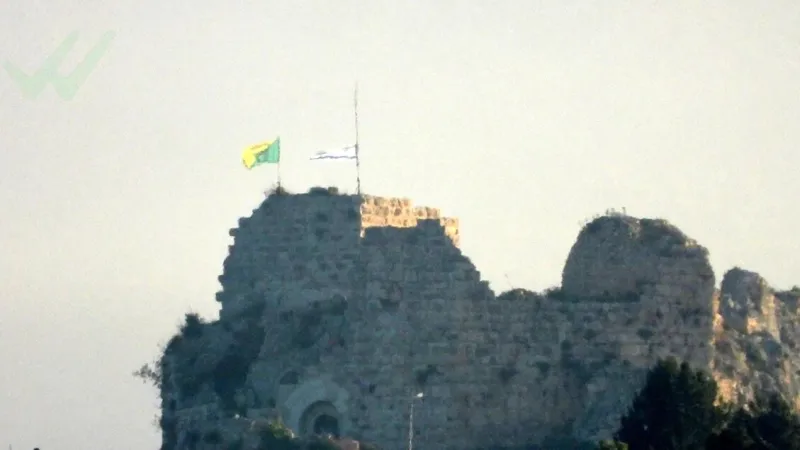
JERUSALEM Israeli Defense Forces (IDF) declared full control over the strategic Beaufort Castle in southern Lebanon today, marking a significant escalation in ongoing regional hostilities. This military operation immediately triggered a diplomatic response from France, which urgently requested an emergency meeting of the United Nations Security Council to discuss the volatile situation and prevent further destabilization in the Middle East. Prime Minister Benjamin Netanyahu affirmed the operation's intent, stating, "We extend our grasp over Hezbollah territories."
The ancient fortress, known for its commanding views over southern Lebanon and northern Israel, has long held symbolic and tactical importance. Its capture by the IDF represents a notable advance into what Israel defines as Hezbollah operational zones, intensifying concerns about broader regional conflict.
Prime Minister Netanyahu's assertion underscores a long-held Israeli objective to push back against Hezbollah's influence near its northern border. The statement suggests a potential shift from defensive measures to more assertive territorial control or the creation of buffer zones within Lebanese territory, which could have lasting implications for the fragile sovereignty of Lebanon.
Paris reacted swiftly to the news, with a spokesperson for the French Foreign Ministry expressing deep concern over the latest developments. "France views with grave alarm the escalating military actions in southern Lebanon and calls on all parties to exercise maximum restraint," the spokesperson stated. "The territorial integrity and sovereignty of Lebanon must be respected, and we urge an immediate de-escalation of hostilities to avert a wider conflagration."
The requested emergency session of the UN Security Council will likely convene within 24 hours. Diplomats anticipate a heated debate, with France pushing for a resolution condemning the military action and calling for an immediate ceasefire. However, the outcome remains uncertain given the complex geopolitical dynamics and potential veto power of permanent members like the United States.
Beaufort Castle, a Crusader-era stronghold, has witnessed centuries of conflict, including being occupied by Israel during its presence in southern Lebanon from 1982 to 2000. Its historical resonance adds another layer to the current capture, symbolizing a recurring cycle of foreign intervention and conflict on Lebanese soil. Historically, its strategic location allowed control over key access routes in the region.
Hezbollah has yet to issue an official response regarding the loss of Beaufort Castle. However, previous statements from the group have consistently vowed retaliation for any Israeli incursions into Lebanese territory, raising fears of counter-attacks that could further destabilize the border region, which has seen repeated flare-ups, including rockets fired from Lebanon triggering sirens across northern Israel.
The United States, under President Donald Trump's administration, has historically maintained strong support for Israel's security interests. While the administration generally advocates for regional stability, its response to this specific escalation will be closely watched, particularly regarding any potential for diplomatic intervention or condemnation of Israeli actions. Previous US policy has often balanced support for Israel with calls for de-escalation.
Regional analysts suggest that the capture could be part of a broader Israeli strategy aimed at dismantling Hezbollah's military infrastructure and pushing its forces away from the Israeli border. This move follows ongoing tensions and reports of sustained cross-border exchanges, sometimes leading to Israel escalating Lebanon ground offensive amidst fragile ceasefire conditions.
The immediate humanitarian impact remains a significant concern, with reports indicating potential displacement of civilians in nearby Lebanese villages. International aid organizations are preparing for possible increased refugee flows and are calling for safe passages and adherence to international humanitarian law by all parties involved.
The international community's ability to forge a unified response to the escalating situation will be a critical test for multilateral diplomacy. Divisions within the UN Security Council could embolden further military actions or leave Lebanon vulnerable to sustained conflict.
The next few days will be pivotal in determining whether the capture of Beaufort Castle marks an isolated military action or precipitates a more widespread and enduring conflict in a region already grappling with profound instability. Diplomatic efforts will intensify to prevent a full-scale war, but the path to de-escalation remains fraught with challenges and competing interests.