 Angel Doris
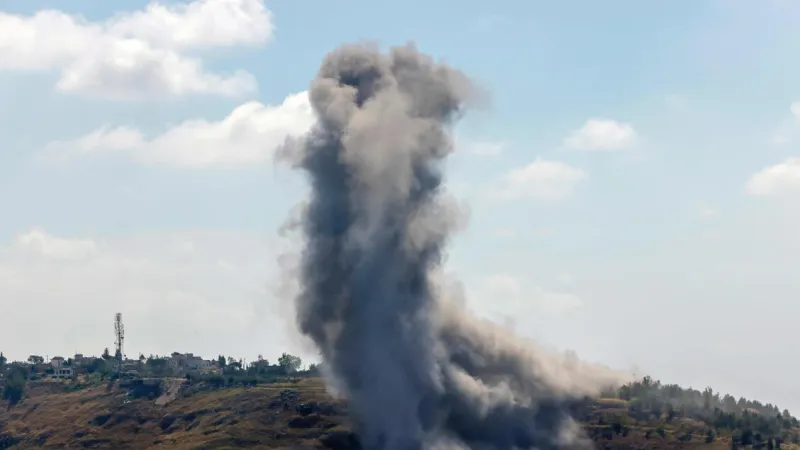
NORTHERN ISRAEL – Air raid sirens wailed across multiple communities in Northern Israel today after a volley of rockets was launched from Lebanese territory, triggering immediate emergency protocols and sending residents rushing to shelters. The exact number of projectiles and their impact locations remain under assessment, though initial reports indicated no immediate casualties.
The widespread activation of Israel's alert system underscored the heightened state of tension gripping the volatile northern border. Communities in the Upper Galilee and Western Galilee regions were particularly affected, with residents reporting multiple siren activations throughout the morning.
Defense Minister Israel Katz, responding to the renewed aggression, issued a stark warning. “The jihadist enemy understands only one language: conquering territory,” Katz stated, emphasizing Israel's unwavering resolve to defend its sovereignty against any incursions or attacks emanating from its northern neighbor.
This latest barrage marks a significant escalation in the ongoing, fragile security situation along the demarcation line between Israel and Lebanon. Such incidents routinely prompt immediate and robust responses from the Israel Defense Forces, aiming to neutralize threats and deter further aggression.
The IDF confirmed the rocket launches and stated that its air defense systems were activated. Details regarding successful interceptions or potential impacts are typically released following comprehensive assessments by military authorities. Ground forces along the border were placed on high alert.
For months, the region has been a flashpoint, characterized by intermittent cross-border fire, drone incursions, and retaliatory strikes. The continuous cycle of violence has severely impacted daily life for Israeli communities situated near the border, often forcing school closures and disrupting economic activity.
Analysts suggest these rocket launches are often a tactic employed by militant groups operating within Lebanon, particularly Hezbollah, to pressure Israel or to retaliate for perceived Israeli actions. While specific attribution for today's attack was not immediately available, the modus operandi is consistent with previous aggressions.
The international community has repeatedly called for de-escalation and adherence to UN Security Council resolutions governing the border region. However, these calls often fall on deaf ears amid the entrenched animosities and strategic objectives of various state and non-state actors.
Israel maintains a firm stance that it holds the Lebanese state responsible for any attacks originating from its territory, irrespective of the specific group involved. This position often leads to broader retaliatory actions targeting infrastructure or military assets within Lebanon, further complicating an already delicate geopolitical balance.
Residents in the targeted areas are advised to remain vigilant and follow directives from the Home Front Command. The resilience of these northern communities is frequently tested, yet their resolve to continue living and working under the shadow of persistent threats remains strong.
The latest developments follow a period where tensions were already high, with previous reports indicating that Israel Escalates Lebanon Ground Offensive Amidst Fragile Ceasefire. These prior engagements underscore the deeply entrenched nature of the conflict and the constant potential for broader regional instability.
The situation remains fluid, with Israeli security forces continuing their operational activities and investigations. The international community watches closely, hoping to avert a wider conflagration in an already volatile Middle East.