 Angela Stefani
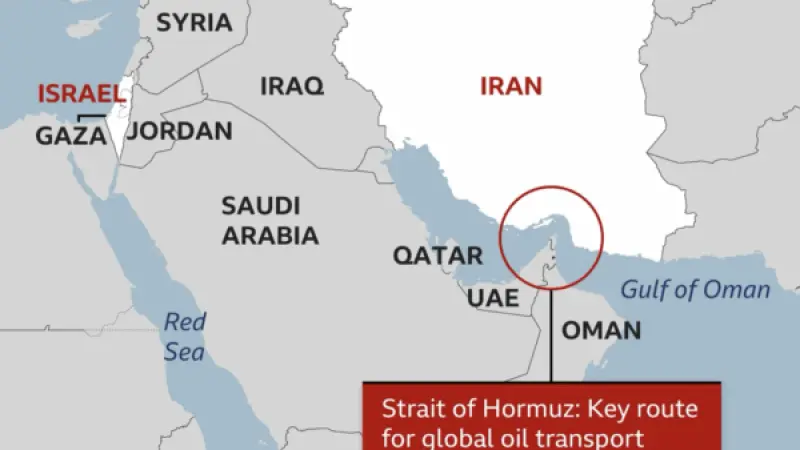
WASHINGTON — Global financial markets are bracing for extreme volatility as President Donald Trump and Iran exchange increasingly sharp rhetoric concerning the strategically vital Strait of Hormuz, raising fears of a military confrontation that could have catastrophic global economic repercussions. The escalating verbal threats from both sides have left investors and policymakers worldwide on edge, watching closely for any sign of military action that could disrupt critical oil shipments through the narrow waterway.
The Strait of Hormuz, a choke point between the Persian Gulf and the Gulf of Oman, is responsible for approximately one-fifth of the world's total petroleum consumption, making it an indispensable artery for global energy supply. Any significant disruption here poses an immediate and grave threat to the international oil market, triggering price surges and potential supply shocks.
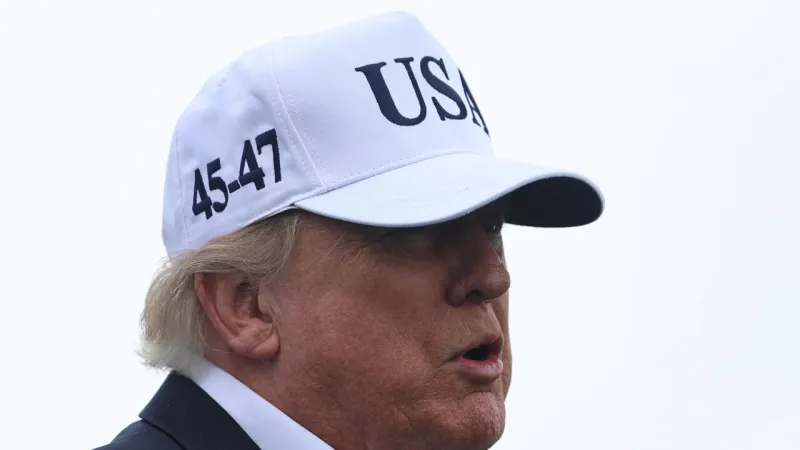
President Donald Trump recently reiterated his administration's unwavering commitment to ensuring freedom of navigation through the strait, warning that any attempt by Iran to impede international shipping would be met with swift and decisive force. In a recent press conference, President Trump stated, “We will not tolerate any aggression that threatens global commerce or the flow of vital resources. Iran knows the consequences of such actions.”
Tehran, in turn, has consistently threatened to close the strait if its own oil exports are severely curtailed by international sanctions, viewing the waterway as a strategic lever. Iranian Supreme Leader Ali Khamenei’s office recently released a statement declaring Iran’s sovereign right to defend its interests and warning against foreign interference in regional waters.
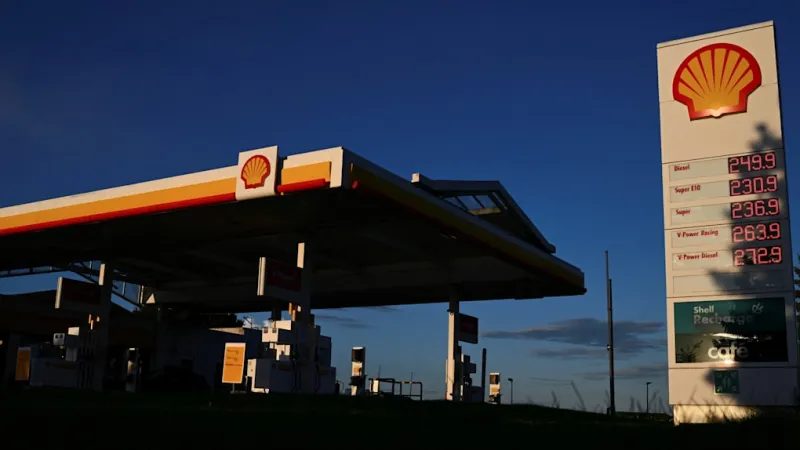
Energy analysts predict that even a minor incident in Hormuz could send crude oil prices soaring past $150 per barrel, destabilizing economies heavily reliant on imported oil. A sustained closure would undoubtedly trigger a global recession, severely impacting manufacturing, transportation, and consumer spending across continents.
Beyond oil, the prospect of conflict has rattled equity markets, leading to sell-offs in major indices and a flight to safe-haven assets like gold and US Treasury bonds. Supply chain disruptions, particularly for goods manufactured in Asia and reliant on Middle Eastern oil, represent an additional layer of economic vulnerability.
European Union officials have expressed deep concern over the escalating tensions, urging both the United States and Iran to exercise restraint and pursue diplomatic resolutions. China and India, major importers of Middle Eastern oil, have also called for de-escalation, emphasizing the shared global interest in maintaining stability in the Persian Gulf.
Dr. Evelyn Reed, a senior fellow at the Center for Geopolitical Studies, remarked, “The current standoff presents an unprecedented level of risk. Neither side appears willing to back down, and the potential for miscalculation is extremely high. The global economy is truly hostage to this evolving situation.”
The region has a history of naval confrontations, including tanker attacks and seizures, though none have led to a full closure of the strait. These past incidents underscore the volatility inherent in the narrow waterway and the ever-present danger of escalation.
While the Trump administration maintains a firm stance, official channels for de-escalation remain opaque. Public statements prioritize strength and deterrence, leaving observers questioning the breadth of behind-the-scenes diplomatic efforts, if any, to avert a crisis.
Iran’s threats are largely seen as a response to perceived economic warfare through sanctions and an attempt to project strength and protect its national interests amidst mounting domestic economic pressures. The regime views its control over strategic maritime passages as a powerful tool in its foreign policy.
Analysts warn that the situation remains fluid, with each provocative statement or military maneuver increasing the chances of an unintended spark. The world’s eyes are fixed on the Persian Gulf, awaiting whether diplomacy or confrontation will ultimately define the future of this critical maritime passageway.
The economic stakes are immense, extending far beyond the immediate region. A conflict in Hormuz would not merely affect oil prices but would reverberate through every sector of the global economy, potentially unraveling years of economic recovery and stability.
The crisis further highlights the precarious nature of global energy security and the urgent need for diversification of energy sources and supply routes, a long-term goal that offers little immediate relief from the current threat.