 Robert Andrison
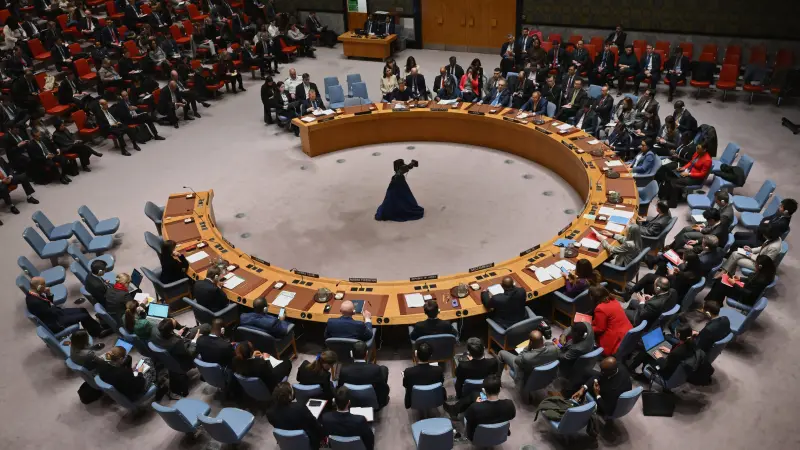
NEW YORK — Russia and China today vetoed a United Nations Security Council resolution aimed at reopening the strategically vital Strait of Hormuz, a move that immediately amplified global economic anxieties and underscored deepening geopolitical fissures. The resolution, described by its proponents as a watered-down compromise to ensure maritime safety and restore vital shipping lanes, failed to pass due to objections from the two permanent members, effectively stalling international efforts to de-escalate regional tensions.
The diplomatic impasse unfolded at UN Headquarters, leaving Western powers and their allies frustrated by what they termed a cynical obstruction of a universally critical issue. The resolution, primarily sponsored by the United States and the United Kingdom, sought to establish an internationally monitored maritime corridor through the Strait, which has seen increasingly restricted transit following recent regional incidents.
For weeks, maritime activity through the Strait of Hormuz, a chokepoint through which approximately one-fifth of the world's oil supply traverses, has been severely hampered. This critical disruption stems from heightened tensions and sporadic skirmishes in the Persian Gulf, making safe passage for commercial vessels precarious and pushing global oil prices to historic highs.
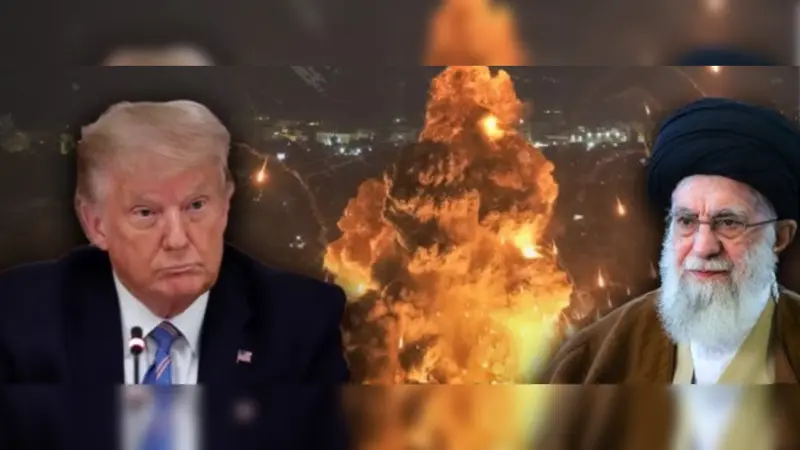
President Donald Trump’s administration swiftly condemned the veto, with Secretary of State Michael Pompeo calling it a "reckless disregard for global commerce and stability." Pompeo stated, "This veto sends a clear message that certain powers prioritize narrow self-interest over the collective economic wellbeing of nations. We will explore all available avenues to ensure the freedom of navigation."
European Union leaders echoed Washingtons concerns, emphasizing the immediate and severe economic repercussions for energy markets worldwide. Analysts predict further upward pressure on crude oil benchmarks and increased shipping costs, which will ultimately impact consumer prices across various sectors.
Russia's Ambassador to the UN, Vasily Nebenzya, defended his countrys veto, asserting the resolution was "unbalanced and provocative," failing to address the root causes of regional instability. He maintained that the proposed measures would exacerbate rather than alleviate tensions, potentially infringing on the sovereignty of littoral states.
Chinas envoy, Zhang Jun, echoed similar sentiments, arguing the resolution risked "unilateral intervention" and ignored legitimate security concerns of regional actors. He called for a comprehensive dialogue and a political solution, rather than what he described as an externally imposed mandate that lacked regional consensus.
The failure of the resolution marks another significant blow to the UN Security Council’s ability to act decisively on pressing global crises, highlighting the growing chasm between its permanent members. This latest deadlock follows a series of stalemates on critical international issues, further eroding confidence in the body's efficacy.
Experts in international maritime law and energy security widely expressed dismay. Dr. Eleanor Vance, a senior fellow at the Carnegie Endowment for International Peace, commented, "The Strait of Hormuz is not merely a regional issue; it is the lifeblood of global energy supply. This veto leaves the international community without a clear path forward, prolonging uncertainty and increasing the risk of miscalculation."
The ongoing restrictions in the Strait have forced shipping companies to reroute vessels, incurring significantly longer transit times and higher fuel expenses. This logistics nightmare threatens supply chains far beyond the energy sector, impacting manufacturing and consumer goods markets globally.
Iran, a key player in the region, has yet to issue an official statement regarding the veto. However, observers suggest the outcome aligns with Tehrans long-standing position against external interference in Gulf security matters and its asserted right to control passage through its territorial waters adjacent to the Strait.
The veto also raises questions about the future of international cooperation in safeguarding critical global arteries. Without a UN mandate, any multilateral efforts to ensure safe passage would likely face accusations of unilateralism or military adventurism, further complicating an already delicate geopolitical landscape.
President Trump has maintained a tough stance on safeguarding international waterways, frequently emphasizing the need for robust action against threats to global trade. His administration now faces the challenge of navigating this diplomatic setback while confronting persistent energy security concerns.
Some analysts suggest that the current situation might push the United States and its allies to explore alternative arrangements, possibly involving greater naval presence or bilateral agreements with regional partners, though such moves would carry inherent risks of further escalation.
Ambassador Nebenzya further articulated Russias position, stating that any resolution must be grounded in respect for sovereign borders and avoid any perception of great power imposition. He suggested a more regionally-led initiative would garner greater legitimacy.
Ambassador Jun reiterated Chinas call for de-escalation through diplomatic channels, stressing that the path to a lasting solution lies in collaborative dialogue among all affected parties, free from external pressures and military posturing.
The inability to achieve consensus at the UN also underscores the broader strategic alignment between Moscow and Beijing, who frequently leverage their veto power to counter Western-led initiatives, particularly those perceived as encroaching on their spheres of influence or supporting adversaries.
With no immediate UN solution in sight, the international community braces for prolonged instability in a region already fraught with peril. The reopening of the Strait of Hormuz remains elusive, a hostage to geopolitical rivalries that show no signs of abating.
The global economy, already grappling with various headwinds, will likely absorb the continued shockwaves from this unresolved maritime crisis. The path to restoring full, safe passage through the Strait appears more complex and arduous than ever.