 Angel Doris
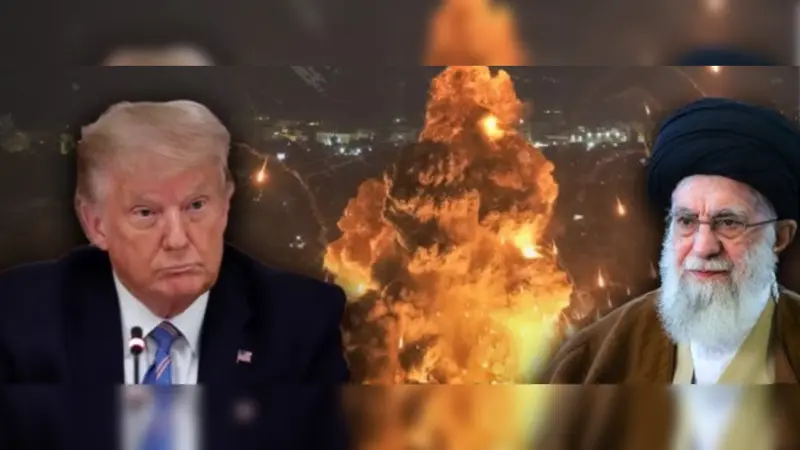
WASHINGTON — Iran's Foreign Ministry today definitively dismissed claims by President Donald Trump regarding ongoing discussions between the two nations, a development that further inflames the volatile Middle East crisis even as European Commission President Ursula von der Leyen declared the global energy situation unequivocally critical.
The rebuff from Tehran came hours after President Trump alluded to progress in quiet diplomatic channels, suggesting a softening in relations that have remained fraught throughout his administration's tenure. Iranian officials, however, described such assertions as baseless speculation.
"There are no direct talks, nor have there been any secret negotiations with the United States," stated Nasser Kanaani, spokesman for the Iranian Foreign Ministry, during a press briefing in Tehran. This direct denial underscores the profound trust deficit between Washington and the Islamic Republic.
This diplomatic impasse unfolds against a backdrop of heightened regional tensions, primarily fueled by Iran's nuclear program and its involvement in proxy conflicts across the Levant and Yemen. Global powers continue to watch closely, anticipating potential escalations.
Simultaneously, Brussels became the epicenter for urgent warnings regarding the world's energy future. European Commission President Ursula von der Leyen articulated a stark assessment, emphasizing the fragility of global energy markets.
"The global energy situation is not merely challenging; it is critical," von der Leyen stated, addressing a summit of European energy ministers. "Supply chains remain vulnerable, geopolitical instability in key producing regions persists, and the transition to sustainable sources is not progressing at the necessary pace."
Her remarks directly echo concerns from international energy agencies that have pointed to dwindling reserves and insufficient investment in new production capacities, particularly after years of volatile market fluctuations and strategic shifts.
The nexus between the Middle East's geopolitical struggles and global energy security is undeniable. Iran, a major oil and gas producer, holds significant sway over crucial shipping lanes, making any instability a direct threat to global supply.
Analysts suggest that President Trump's optimistic remarks about talks might have been an attempt to de-escalate regional anxieties or perhaps test Tehran's willingness to engage. The immediate and forceful rejection, however, indicates a rigid stance from Iran.
The Biden administration, which preceded President Trump, had attempted to revive the 2015 nuclear deal (JCPOA), but those efforts ultimately stalled, leading to a continuation of stringent sanctions against Iran that have severely impacted its economy.
President Trump, since resuming office, has maintained a firm posture, often reiterating his administration's commitment to preventing Iran from acquiring nuclear weapons and curtailing its regional influence.
The ongoing Middle East crisis encompasses a range of issues, from the enduring Israeli-Palestinian conflict to civil wars and sectarian rivalries, all of which contribute to a complex web of instability that has global ramifications.
This intricate regional dynamic directly impacts global crude oil and natural gas prices, further exacerbating the concerns raised by von der Leyen regarding the overall stability of the international energy market.
The international community now faces a dual challenge: navigating the intricate diplomatic landscape with Iran while simultaneously addressing the looming specter of a widespread energy deficit that could cripple industries and households worldwide.
Experts from the International Energy Agency predict that without significant policy interventions and a reduction in geopolitical tensions, the world could face unprecedented energy price spikes and potential shortages within the next year.
The rejection of talks by Iran suggests that any path to de-escalation will require more than optimistic declarations, necessitating substantial diplomatic efforts and a willingness from all parties to compromise on deeply entrenched positions.
As the 2026 political calendar progresses, the Middle East crisis and the critical energy situation are poised to remain front and center for global leaders, demanding urgent and coordinated responses.