Chris Robert
WASHINGTON — Federal employees face missed paychecks and travelers endure extensive airport delays across the nation as a protracted government funding shutdown deepens in late 2026, intensifying pressure on a deadlocked Congress to reach an agreement. The fiscal impasse stems from unresolved appropriations bills, leaving critical government functions unfunded.
Thousands of federal workers, including air traffic controllers and Transportation Security Administration (TSA) agents, are now working without pay, their second missed paycheck highlighting the severe financial strain on their households. This economic hardship extends beyond Washington, impacting families in every state.
Major airports from Atlanta to Los Angeles report significant passenger wait times and flight disruptions. Reduced staffing levels, particularly within the Federal Aviation Administration (FAA) and TSA, directly contribute to operational inefficiencies and heightened stress for both personnel and the traveling public.
The impasse gripping Capitol Hill centers on disagreements over the fiscal year 2027 appropriations. House Republicans and Senate Democrats remain at loggerheads over spending levels and various policy riders attached to essential funding legislation.
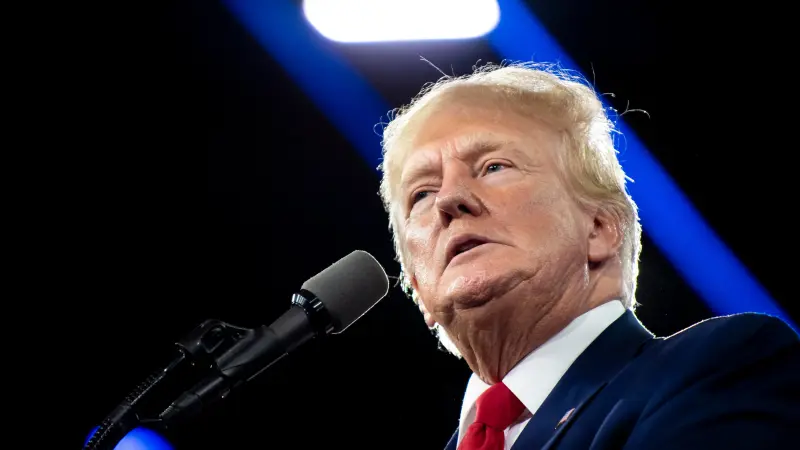
President Donald Trump, addressing reporters earlier this week, reiterated his support for the House's proposed budget, which includes substantial cuts to certain domestic programs and increased funding for border security initiatives. "We cannot compromise on national security or fiscal responsibility," President Trump stated from the Oval Office.
Critics, including numerous Democratic lawmakers and some moderate Republicans, argue that the current funding proposals are unrealistic and would cripple vital government services. They emphasize the broad, negative impact on ordinary Americans.
The ripple effects of the shutdown are now palpable beyond federal payrolls. Small businesses reliant on government contracts are facing uncertainty, and communities hosting national parks are seeing tourist dollars dry up as sites operate with minimal staff or remain closed.
Aviation industry groups have voiced urgent concerns about safety and long-term operational stability. "The current situation is unsustainable and poses a serious risk to our national air travel infrastructure," warned Sarah Chen, CEO of the Air Transport Association, in a public statement.
Employee unions representing federal workers have called for immediate action, organizing rallies and public awareness campaigns. They underscore the fact that many government employees live paycheck to paycheck, making the forced work without compensation untenable.
Historically, government shutdowns, while not unprecedented, have rarely lasted this long without significant public outcry forcing a resolution. The current political climate, however, appears to have hardened positions on both sides.
Concerns are also mounting regarding the integrity of federal services, from food inspections to environmental protection. Agencies operating on skeleton crews face challenges maintaining regular oversight and fulfilling their statutory obligations.
Economists predict that a prolonged shutdown could shave points off the nation's Gross Domestic Product (GDP), impacting consumer confidence and investment. The uncertainty surrounding federal operations creates a drag on overall economic activity.
As negotiations falter, calls from bipartisan groups in Congress for a clean continuing resolution to reopen the government temporarily have grown louder. However, leadership on both sides has thus far resisted, seeking a more permanent solution.
"Our constituents are suffering, and we need to put politics aside to get these agencies funded and our workers paid," said Senator Maria Rodriguez (D-CA) during a press conference on Monday.
Conversely, Representative John Harding (R-TX) maintained, "We were elected to rein in spending. This is not about politics; it is about fiscal discipline for the American taxpayer."
The White House has indicated that President Trump remains open to negotiations but insists that any resolution must address the core funding priorities he has outlined.
With no immediate end in sight, the mounting pressure from frustrated travelers, unpaid workers, and concerned industry leaders continues to bear down on Washington, demanding decisive action to avert further disruption.