 Chandra Wijayanto
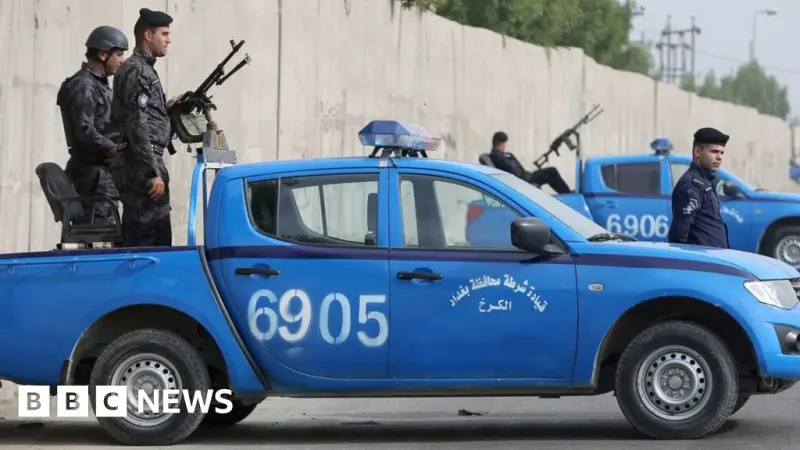
BAGHDAD — A United States journalist, Benjamin Carter, was forcibly abducted from his residence in the Iraqi capital on Monday evening, prompting immediate condemnation from Washington and launching an international investigation into his disappearance. Initial intelligence assessments by US and Iraqi officials suggest the involvement of an Iranian-backed militant group, escalating tensions in the volatile region.
Carter, 42, a seasoned correspondent for "Global Pulse News," was reportedly seized by armed men in tactical gear from his apartment in the Karrada district. Witnesses described a swift operation, with the assailants driving away in unmarked vehicles following the incident around 10 p.m. local time.
President Donald Trump addressed the abduction from the Oval Office early Tuesday, declaring, "We are using every resource available to secure Mr. Carter's safe return. Let me be clear: any group or nation involved in harming an American journalist will face severe consequences." He emphasized the US commitment to protecting its citizens abroad.
The Iraqi Prime Minister's office issued a statement promising full cooperation with American authorities. "The Iraqi government condemns this egregious act of kidnapping and is actively pursuing all leads to locate Mr. Carter and bring his captors to justice," the statement read, without specifying potential perpetrators.
Unnamed US intelligence sources, speaking on condition of anonymity due to the sensitive nature of the ongoing investigation, indicated that early analysis points to elements within Kataib Hezbollah, an Iranian-backed Shia militia. This assessment is based on tactical signatures and previous patterns of abductions targeting foreign nationals.
Kataib Hezbollah and other Iranian-aligned factions maintain a significant, albeit often contested, presence across Iraq. These groups have historically been implicated in attacks against US interests and personnel, particularly following the 2020 targeted killing of Iranian General Qasem Soleimani and Iraqi militia leader Abu Mahdi al-Muhandis.
Benjamin Carter has a distinguished career covering the Middle East, with a particular focus on the sociopolitical impact of militant groups and foreign influence in Iraq. His recent reporting delved into the growing economic ties between certain Iraqi factions and Tehran, which some analysts believe could have made him a target.
Secretary of State Michael Pompeo has reportedly initiated high-level diplomatic outreach with Iraqi and regional partners, urging swift action. "This is not just an attack on a journalist; it is an assault on press freedom and an attempt to destabilize a crucial region," a State Department official stated off the record.
The kidnapping of a US journalist in Iraq linked to Iranian militants echoes past incidents where foreign nationals were held for political leverage. Analysts suggest this current event could be a calculated move to pressure the Trump administration on various regional issues, potentially related to sanctions or ongoing negotiations.
Advocacy groups for press freedom, including Reporters Without Borders, have condemned Carter's abduction, calling it a "grave assault on journalism." They highlighted the increasing dangers faced by reporters in conflict zones, especially when navigating complex geopolitical landscapes involving non-state actors.
The US Embassy in Baghdad has reinforced its existing travel advisory for Iraq, cautioning American citizens against non-essential travel and advising those already in the country to maintain heightened vigilance. The advisory specifically noted the risk of kidnapping and arbitrary detention by militia groups.
This incident could exacerbate already fragile relations between Washington and Tehran, potentially complicating efforts to de-escalate regional proxy conflicts. The administration is reportedly reviewing a range of response options, from diplomatic pressure to targeted sanctions, should the link to Iranian-backed groups be definitively proven.