 Debby Wijaya
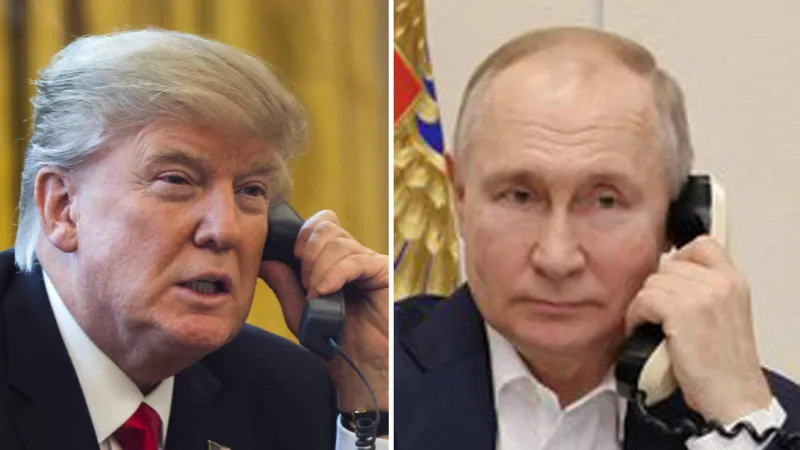
WASHINGTON — The North Atlantic Treaty Organization faces its most profound existential challenge in 2026, as President Donald Trump's administration signals a potential shift in America's commitment to the nearly 80-year-old alliance, prompting widespread anxiety among European allies regarding a possible US withdrawal. Discussions in Washington and Brussels now frequently pivot to the prospect of NATO's survival should its largest contributor significantly reduce or sever its ties.
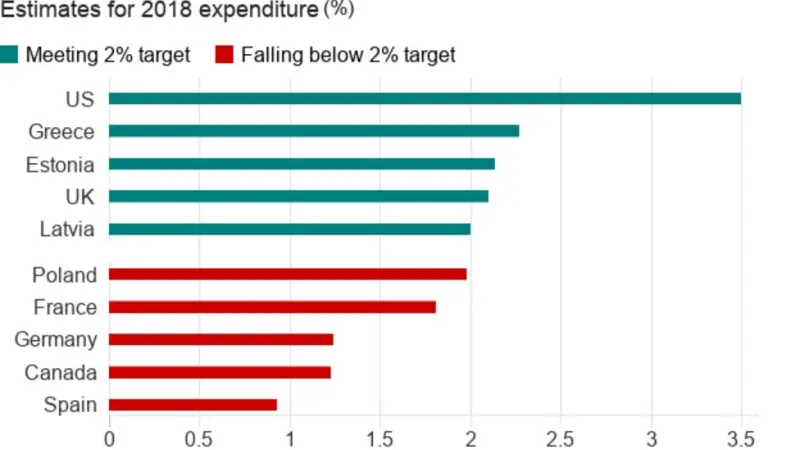
President Trump has consistently voiced skepticism regarding the alliance's burden-sharing, arguing that many member nations fail to meet their financial obligations for collective defense. These concerns, a hallmark of his previous term, have intensified, putting immense pressure on European capitals to bolster their military expenditures and preparedness.
European leaders, already navigating a complex geopolitical landscape, find themselves in a delicate balancing act, publicly affirming NATO's importance while privately contingency planning for a drastically reconfigured security architecture. High-level diplomatic meetings have become a constant feature, seeking assurances and exploring alternatives.
A US pullout would fundamentally alter the strategic calculus, particularly for nations bordering Russia. The principle of collective defense, enshrined in Article 5 of the NATO treaty, where an attack on one is considered an attack on all, relies heavily on the formidable military might and nuclear umbrella provided by the United States.
Without the unequivocal backing of the United States, experts warn that the credibility of Article 5 could erode, potentially emboldening adversaries and destabilizing regional security. The implications stretch beyond military readiness, affecting economic partnerships and global diplomatic influence.
NATO Secretary General Jens Stoltenberg has repeatedly emphasized the alliance's enduring value and capacity for adaptation, urging all members to uphold their defense commitments. He stressed the need for unity and increased investment to maintain a strong deterrent posture in a volatile world.
However, the debate within NATO is not solely about finances. President Trump's broader foreign policy doctrine often prioritizes bilateral deals and an America First approach, which critics argue is at odds with the multilateral framework that underpins the alliance. This philosophical divergence fuels much of the current apprehension.
Domestically, the idea of a US withdrawal from NATO garners mixed reactions. While some isolationist factions support disengagement, a significant bipartisan contingent within Congress views NATO as an indispensable cornerstone of American security and global stability, advocating for continued robust engagement.
Analysts from prominent think tanks suggest that a full US exit, while legally complex, is not impossible. Such a move would necessitate a drastic reconsideration of defense strategies across Europe, potentially leading to increased militarization by individual nations or the formation of new regional blocs.
The historical context of NATO's inception in 1949, designed to counter Soviet expansionism and foster transatlantic unity, underscores the gravity of the current moment. Its role in maintaining peace and stability throughout the Cold War and beyond is widely acknowledged by proponents.
Diplomatic channels remain open, with US officials engaging counterparts to clarify policy intentions and address allied concerns. Yet, the underlying tension persists, making long-term strategic planning fraught with uncertainty for the alliance.
Observers like Dr. Evelyn Reed, a senior fellow at the Council on Foreign Relations, stated, "We are closer to a break than ever. The pressure on European nations to demonstrate concrete progress on defense spending is immense, and frankly, necessary for NATO to survive in its current form."
The future of NATO, therefore, hangs in a delicate balance. Its ability to adapt to President Trump's demands and maintain internal cohesion will determine whether it can navigate this unprecedented challenge and continue its role as a bedrock of Western security.
The question is not merely if NATO can survive a US pullout, but what form it would take, and what the geopolitical costs of such a seismic shift would be for global security and the international order that has prevailed for decades.