 Dodi Irawan
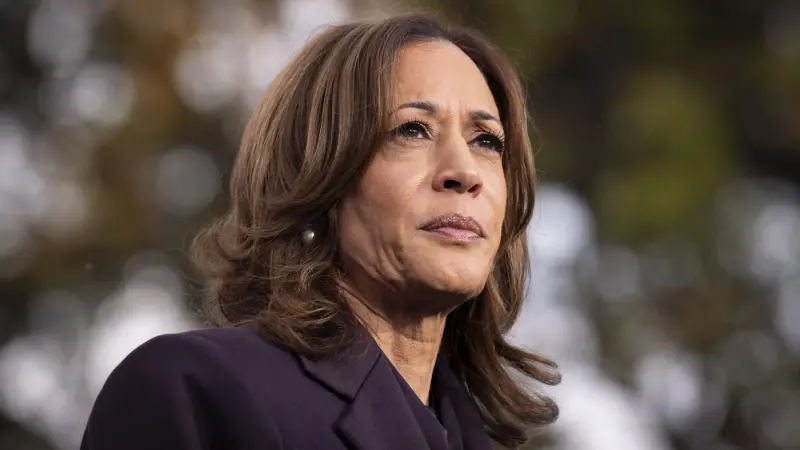
WASHINGTON — Kamala Harris has publicly indicated she is "thinking about" a potential bid for the presidency in 2028, signaling a significant development in the Democratic Party's future and setting the stage for early speculation about the next White House race. The former Vice President made the remarks during a recent interview with National Public Radio on Tuesday, prompting immediate discussion among political strategists and potential challengers.
Her statement, delivered in the midst of President Donald Trump's current term, injects an early and prominent name into the nascent field of Democratic hopefuls, forcing other potential candidates to calibrate their own timelines and strategies. The declaration comes as Democrats continue to assess their path forward and define their platform for the upcoming election cycle.
Harris, who served as Vice President in a previous administration, brings considerable national experience and a high profile to any potential campaign. Her past role on the executive ticket and her history as a prosecutor and senator lend weight to her considerations, positioning her as a formidable contender if she ultimately decides to run.
The political landscape leading into 2028 promises to be complex, with a nation grappling with economic shifts and evolving social dynamics. Democrats will seek a candidate who can unite disparate factions of the party and present a compelling vision to a diverse electorate.
Her initial presidential primary campaign in 2020, while ultimately unsuccessful, provided valuable lessons in grassroots organizing and national messaging. Analysts suggest that any future bid would likely see a refined approach, leveraging her expanded network and deeper understanding of the national political arena.
The timing of her announcement, nearly two years before the primary season officially begins, allows for an extended period of fundraising, coalition building, and policy formulation. This early signal enables her to gauge support and test key messages well in advance of formal declarations by other candidates.
Observers are already speculating on the potential primary field, which could include a diverse array of governors, senators, and other prominent figures within the Democratic Party. Harris's entry, even as a consideration, immediately becomes a benchmark against which others will measure their own prospects.
Securing the Democratic nomination will require navigating complex issues, demonstrating electability, and building a robust campaign infrastructure capable of competing in all 50 states. The party faces the dual challenge of energizing its base while also appealing to independent and moderate voters.
Her potential candidacy will undoubtedly spark intense debate about the party's direction and the most effective strategy to reclaim the White House. Donors and political action committees will closely monitor her activities, as early indications of strong support can significantly impact a campaign's viability.
For many Democrats, the prospect of Harris once again on the national stage offers a sense of continuity and experience. For others, it presents an opportunity to reignite discussions about new leadership and fresh perspectives within the party.
The former Vice President's remarks confirm what many inside Washington have privately discussed for months: the path to the 2028 Democratic nomination is beginning to take shape, and one of the party's most recognizable figures intends to be at the forefront of that conversation. Her decision carries significant implications for the future of American politics.
President Donald Trump's administration, meanwhile, will undoubtedly be watching these early developments closely as the political cycles intertwine and future electoral battles begin to form in the public consciousness. The race for 2028 has officially entered an active phase of speculation and strategic positioning.