 Stefani Rindus
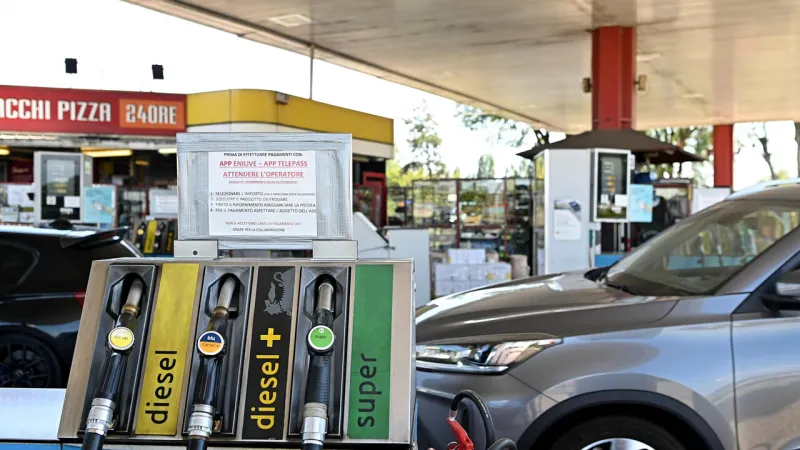
Across the nation, consumers are grappling with a notable escalation in fuel prices, as gasoline costs have surged by 5.5 cents per liter over the past month, while diesel registered an even steeper increase of 6.7 cents per liter since August 5. This sustained upward trend signals mounting financial pressure on households and businesses alike, impacting budgets and operational costs.
The recent data indicates a consistent rise in the cost of motor fuels, with gasoline experiencing its own substantial increase over the preceding four weeks. This increment places additional burdens on daily commuters and families, directly affecting disposable income and household expenditure planning.
Diesel fuel, critical for commercial transportation and agricultural sectors, has seen a more pronounced hike. The 6.7 cents per liter increase since August 5 underscores the pervasive nature of these price adjustments across the energy market, particularly affecting supply chains and logistics.
The direct consequence of these rising fuel prices is felt keenly at the pump, translating into higher costs for individuals filling their tanks. For many, this necessitates a reevaluation of travel habits and discretionary spending, potentially leading to a slowdown in consumer-driven economic activity.
Businesses heavily reliant on transportation, from small delivery services to large freight companies, are absorbing increased operational expenses. These costs frequently trickle down to consumers through higher prices for goods and services, contributing to broader inflationary pressures throughout the economy.
Analysts attribute these hikes to a complex interplay of global oil market dynamics, including shifts in crude oil production, refinery capacities, and robust demand in various industrial sectors. The delicate balance of supply and demand remains a key determinant of price volatility.
Geopolitical tensions, particularly in key oil-producing regions, often exacerbate market instability and contribute to price uncertainty. Recent developments, such as reports on the US Strikes Iranian Tankers As Missile Threatens Kharg Island, underscore the precarious state of global energy supply lines and their immediate impact on pricing.
Furthermore, the gradual recovery of global economic activity in certain sectors continues to drive up demand for energy. Coupled with cautious production adjustments by major oil-exporting nations, this creates an environment ripe for upward price pressures at the consumer level.
The administration, under President Donald Trump, has consistently advocated for energy independence and robust domestic production. While long-term strategies are in place, immediate relief measures for consumers regarding these specific price spikes have not been widely announced, leaving many to face the market fluctuations directly.
This continuous climb in fuel prices inevitably contributes to broader inflationary trends across the economy. As a fundamental input cost for almost every good and service, higher energy prices can erode purchasing power and complicate central bank efforts to maintain economic stability.
Economists warn that a prolonged period of high energy costs could potentially dampen overall economic growth, particularly in sectors highly sensitive to transportation and utility expenses. This situation calls for careful monitoring by policymakers and industry leaders.
In response to escalating costs, consumers may begin to adjust their spending habits, opting for less frequent travel, consolidating errands, or exploring more fuel-efficient modes of transport. The market response often includes a renewed interest in electric vehicles or public transit options.
Transportation companies and logistics providers are actively exploring various strategies to mitigate the impact of rising fuel prices. These include optimizing delivery routes, investing in more fuel-efficient fleets, and, in some cases, implementing fuel surcharges to offset increased expenses.
This current trend echoes periods of past energy market volatility, reminding stakeholders of the inherent challenges in forecasting and managing global energy supplies. Historical precedents suggest that sustained high prices can catalyze innovation in alternative energy sources.
Projections for the coming months remain uncertain, with analysts divided on whether current price levels represent a temporary peak or the beginning of a sustained period of higher costs. The ongoing interplay of global events will largely dictate the trajectory.
As fuel prices continue to be a pressing concern for millions, calls for governmental intervention or a review of existing energy policies are likely to intensify. Public discourse will undoubtedly focus on strategies to stabilize costs and protect consumers from further financial strain.
This economic pressure point highlights the interconnectedness of global energy markets and domestic pocketbooks. The ripple effects of these price surges extend far beyond the gas station, influencing everything from daily commutes to the cost of groceries and consumer goods.
The underlying factors contributing to these increases are multifaceted, ranging from geopolitical stability to the pace of global industrial recovery. Understanding these complex drivers is crucial for both individual consumers and policymakers seeking sustainable solutions in the energy sector.