 Chris Robert
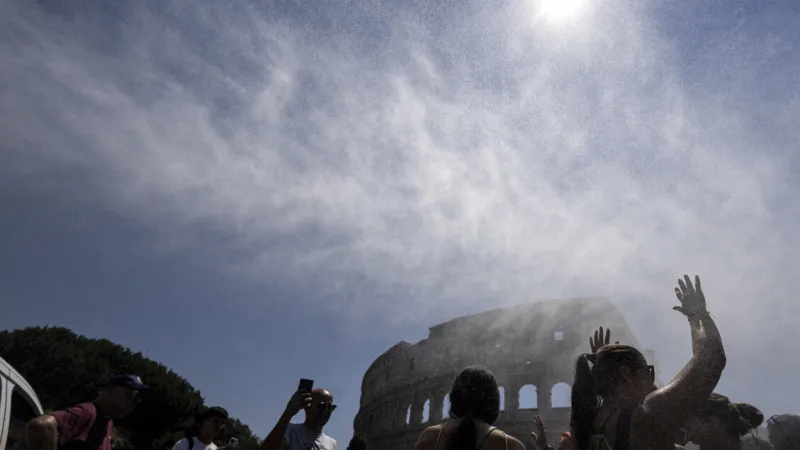
Europe faces a deepening heatwave crisis, with an estimated 193 million residents bracing for peak temperatures expected Monday, following reports of over 1,000 excess deaths in France and stark warnings from The Economist forecasting up to 12,000 fatalities in a mere three-day span.
The current European heatwave, described by meteorologists as historic, continues to grip the continent, pushing health systems to their limits and prompting widespread public health advisories. Authorities are urging citizens to take extreme precautions as the mercury climbs to unprecedented levels.
France has already reported a somber toll, with over 1,000 deaths surpassing average mortality rates during the current high-temperature period. This grim statistic underscores the immediate and lethal impact of prolonged exposure to extreme heat, particularly among vulnerable populations.
Economists analysis amplifies these concerns, projecting a potential 12,000 heat-related deaths across Europe within a critical 72-hour window. Such a forecast highlights the scale of the unfolding humanitarian challenge and the urgent need for effective mitigation strategies.
Records continue to tumble across various regions. Bolzano, a city nestled in Italy's Alpine region, experienced its hottest night on record, preventing natural cooling and exacerbating thermal stress for its inhabitants.
Beyond the immediate health emergency, the pervasive heatwave impacts infrastructure, agriculture, and daily life. Power grids strain under increased demand for air conditioning, while crops wither under relentless sun, threatening food security in affected areas.
Public health officials are issuing stern warnings, advising residents to stay hydrated, avoid direct sun exposure during peak hours, and check on elderly neighbors and those with pre-existing conditions. Cooling centers have been established in many urban areas.
The unfolding crisis parallels previous extreme weather events that have challenged Europe's resilience. Scientists link the increasing frequency and intensity of such heatwaves to broader climate change patterns, emphasizing the need for long-term adaptation.
This current European heatwave phenomenon extends beyond national borders. Countries like Germany are also on alert, with forecasts suggesting historic temperature records could soon be broken. This aligns with earlier predictions of a Historic German Heat Record Poised to Fall Amidst Severe Storm Threat.
Governments across the European Union have activated emergency protocols, coordinating efforts to distribute water, provide medical assistance, and disseminate critical information through various media channels. The collective response aims to minimize further casualties and alleviate suffering.
Emergency services are seeing a significant surge in calls related to heatstroke and dehydration. Hospitals are preparing for an influx of patients, dedicating additional resources to critical care units and deploying extra medical personnel.
The economic ramifications are also substantial. Productivity declines as outdoor work becomes hazardous, and tourism sectors in some regions face disruptions as visitors reconsider travel plans to intensely hot destinations.
Climatologists point to persistent high-pressure systems and an influx of hot air masses from the Sahara as primary drivers of this extreme weather event. These atmospheric conditions effectively trap heat, leading to prolonged periods of elevated temperatures.
As Monday approaches, vigilance remains paramount. Public awareness campaigns are intensifying, reiterating the dangers of underestimating the heat and providing practical advice for survival. The continent holds its breath, hoping for a significant drop in temperatures by mid-week.