 Stefani Rindus
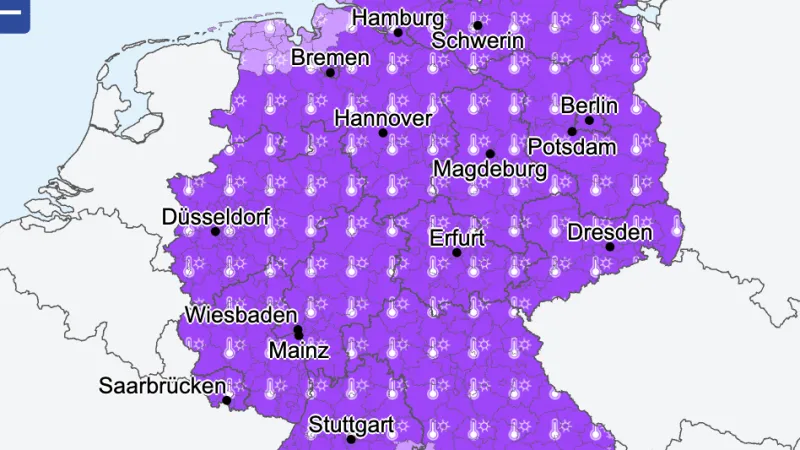
Germany stands on the precipice of an unprecedented weather event as the German Weather Service (DWD) reported a new national temperature record of 41.5 degrees Celsius on Saturday afternoon. This historic high, already signaling severe climatic shifts, faces the immediate threat of being surpassed as early as Sunday, when widespread and potentially violent thunderstorms are also forecast across the nation.
The mercury crossing the 41-degree threshold marks a significant escalation in the extreme weather patterns observed in Central Europe. The previous record, set just a few years prior, underscores a worrying trend of rapidly intensifying heatwaves impacting the region.
DWD meteorologists cautioned that the conditions on Sunday are ripe for the current heat record Germany established to be not just matched but potentially exceeded. The combination of intense solar radiation and an atmospheric pressure system creates a volatile environment.
Beyond the searing heat, the primary concern for Sunday revolves around the widespread development of severe thunderstorms. These storms are expected to bring torrential rain, large hail, and destructive wind gusts, posing significant risks to infrastructure and public safety.
Authorities have issued severe weather warnings for numerous states, advising citizens to remain vigilant and take necessary precautions. Public transport disruptions, power outages, and localized flooding are among the anticipated impacts of the coming tempest.
The elevated temperatures are part of a broader phenomenon affecting the European continent. Regions from the Mediterranean to Scandinavia have experienced an increase in extreme heat events, placing immense strain on public health systems and emergency services. This aligns with recent reports indicating that Europe Endures Record Heat: 193 Million Threatened, 12,000 Deaths Feared across the continent.
Such sustained high temperatures and violent meteorological shifts are consistent with projections made by climate scientists regarding the escalating frequency and intensity of extreme weather events. The current heat record Germany is experiencing serves as a stark illustration of these broader trends.
Emergency services are preparing for an increased volume of calls related to heatstroke, wildfires, and storm damage. Hospitals are on standby, particularly in urban areas where the heat island effect can exacerbate temperatures.
The agricultural sector faces renewed challenges, with crops already stressed by earlier dry spells now vulnerable to both intense heat and the potential for hail damage from forthcoming storms. Farmers are implementing contingency measures to protect livestock and harvests.
Public health officials are urging vulnerable populations, including the elderly, young children, and individuals with pre-existing conditions, to take extreme caution. Recommendations include staying hydrated, avoiding strenuous outdoor activities, and seeking shaded or air-conditioned environments.
The rapid succession of record-breaking temperatures and severe weather warnings highlights the urgent need for robust climate adaptation strategies and enhanced early warning systems across the nation.
As the country braces for the unfolding events, the DWD continues to provide real-time updates through its platforms, emphasizing the dynamic nature of the weather situation and the importance of public awareness.