 Edward DP Situmorang
Naples, Italy – Public prosecutors have initiated a formal inquiry into the adequacy of safety measures implemented for the perilous slopes surrounding the Campi Flegrei supervolcano, a region characterized by intense geological activity. The investigation, currently without named suspects, follows widespread public discontent and protests that coincided with a recent visit by a government official.
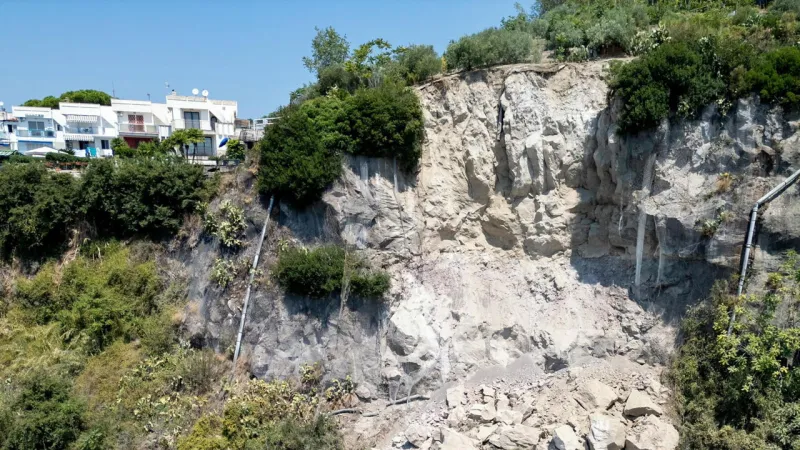
The probe centers on the structural integrity and long-term stability of the volcanic area costoni, or cliffs, which pose a significant risk to the densely populated communities residing within the caldera. This critical scrutiny comes amidst heightened seismic activity and ground uplift, known as bradyseism, that has kept residents on edge.
Officials aim to ascertain whether past and ongoing safety interventions meet the necessary standards to protect citizens from potential landslides or other geological hazards exacerbated by the dynamic nature of the volcano. The inquiry will review documentation, funding allocation, and the execution of protective works.
The atmosphere grew tense recently when residents staged demonstrations during the visit of Undersecretary to the Presidency of the Council, Alessandro Giuli. Protesters voiced their profound concerns regarding perceived governmental inaction and the slow pace of critical safety upgrades in a zone designated as high-risk.
Giuli, whose portfolio includes civil protection, faced direct appeals for more decisive action and transparency regarding the future of the region. The frustration of the public highlighted a deep-seated anxiety about living alongside one of the most active and potentially dangerous volcanic systems in Europe.
The Campi Flegrei caldera, a sprawling volcanic field west of Naples, has experienced intermittent periods of ground uplift and subsidence for decades. Recent months have seen an uptick in seismic events, with daily tremors creating palpable stress among the half-million people who call the area home.
Geological experts continuously monitor the caldera, employing advanced seismic networks and GPS stations to track ground deformation. Their data provides crucial insights into the evolving behavior of the underground magma chamber, which dictates the pace of bradyseism and earthquake frequency.
The current prosecutorial file underscores the critical importance of robust infrastructure and emergency preparedness in such a precarious environment. Public funds allocated for safeguarding the region against seismic and volcanic risks are now under intense review to ensure proper stewardship. This echoes previous scrutiny of vital allocations, as detailed in reports like Campi Flegrei Safety Funds Under Probe Amid Volcanic Hazard.
Residents frequently express a desire for clearer communication from authorities regarding evacuation plans and safety protocols. The lack of named suspects in the initial phase of the investigation suggests a broad examination of procedural adherence rather than immediate individual culpability.
Local government leaders have consistently advocated for increased national and European funding to bolster defense mechanisms and improve urban planning in vulnerable areas. The cost of comprehensive safety measures for Campi Flegrei represents a substantial financial commitment.
The inquiry comes at a time when Italian authorities are re-evaluating national emergency response strategies, particularly for areas prone to natural disasters. The Campi Flegrei situation serves as a stark reminder of the continuous need for vigilance and proactive risk management.
While the investigation proceeds, civil protection agencies continue to update preparedness plans, emphasizing community engagement and public awareness campaigns. The goal remains to minimize potential loss of life and property should a more significant event occur.
Public safety advocates hope the prosecutor involvement will accelerate necessary structural reinforcements and ensure accountability for any oversight. The scrutiny aims to restore public confidence in the efficacy of governmental protection efforts.
The ongoing seismic swarm has prompted some families to consider relocating, though deep roots and economic ties often make such decisions exceptionally difficult. The unique challenge of Campi Flegrei lies in balancing urban development with persistent geological threats.
As the legal process unfolds, authorities maintain that the overarching priority is the well-being of the region inhabitants. The absence of specific charges allows for a comprehensive, unbiased review of all relevant safety protocols and implementations.
The outcome of this prosecutorial inquiry could significantly influence future policy decisions concerning disaster risk reduction in geologically active zones across Italy and beyond. It highlights the complex interplay between science, governance, and community safety.
Experts caution against panic while emphasizing the necessity of adhering to established safety guidelines and emergency procedures. Education and drills remain vital components of the community resilience in the face of natural phenomena.
The government has pledged full cooperation with the prosecutors office, stating its commitment to transparency and public safety. The office of Giuli has reiterated that all measures are under constant review to adapt to the evolving scientific understanding of the caldera.
The investigation now moves forward, with prosecutors expected to gather expert testimonies, analyze technical reports, and interview relevant officials involved in the planning and execution of Campi Flegrei safety initiatives over recent years.
This focused examination of the Campi Flegrei safety program reflects a broader national imperative to protect citizens from natural hazards, reinforcing the principle that thorough diligence must underpin all public works, especially in high-risk environments.