 Stefani Rindus
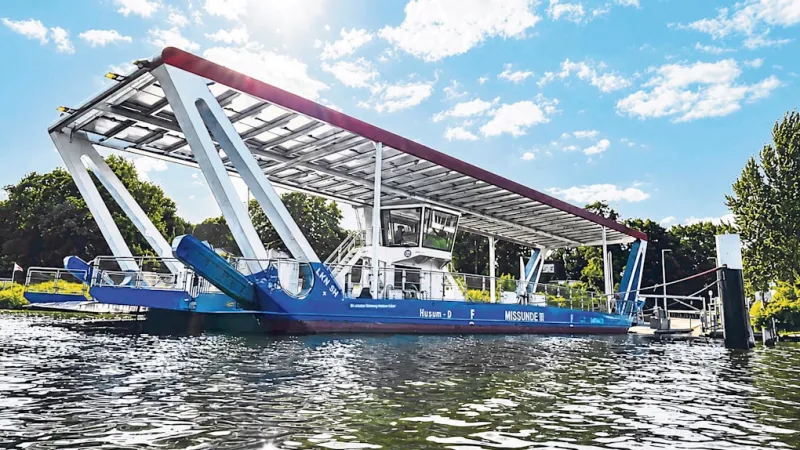
In an embarrassing demonstration of public sector inefficiency, the German state has expended substantial resources and bureaucratic fervor on the Schlei River, only to spectacularly fail in operating a vital ferry service across a mere 140-meter stretch of water. This ongoing debacle in northern Germany underscores a broader national concern regarding the country's diminished capacity for practical problem-solving and effective governance.
The Schlei, a narrow inlet of the Baltic Sea in Schleswig-Holstein, serves as a crucial waterway, and its crossing points are integral to local infrastructure. The inability to maintain a functioning ferry link across this relatively modest expanse has left residents and businesses facing significant disruption, forcing detours and frustrating daily commutes.
Observers point to an entanglement of regulations, overzealous administrative processes, and a perceived lack of practical engineering acumen as core reasons for the persistent failure. Despite significant public funds allocated to the project, the challenges of bridging a 140-meter gap appear insurmountable for the state apparatus.
The Schlei ferry saga has become a potent symbol, locally and nationally, of what critics describe as Germany's increasing struggle with basic infrastructure projects and administrative agility. It crystallizes anxieties that a nation once renowned for its efficiency and engineering prowess is faltering in fundamental areas.
This localized breakdown resonates with a growing public discourse on systemic issues affecting Germany's ability to execute large-scale initiatives, from digital transformation to energy policy. Concerns over bureaucratic inertia also surfaced during debates surrounding the nation's energy transition, notably regarding delays in its coal phase-out plan. As reported previously, Germany recently pushed back its coal exit, with critics attributing delays to green-red policies and bureaucratic hurdles. For further context on this, see Germany Pushes Back Coal Exit; Green-Red Policies Blamed for Energy Crisis.
Engineers and local officials, speaking off the record, describe a labyrinthine approval process and an aversion to pragmatic solutions that prioritize theoretical perfection over workable reality. The sheer volume of consultations and impact assessments for what should be a straightforward public service has reportedly stymied progress.
For the communities directly affected, the ferry's intermittent or non-existent service translates into tangible economic and social costs. Businesses relying on the efficient movement of goods and people across the Schlei face increased operational expenses and logistical nightmares. Residents endure longer travel times, impacting access to schools, workplaces, and essential services.
Historically, Germany prided itself on its capacity for precision engineering and efficient project management. This recent trend of stalled or botched public works projects suggests a departure from that legacy, prompting introspection among policymakers and the public alike.
The Schlei ferry disaster has inevitably entered the political arena, with opposition parties seizing on it as evidence of governmental overreach combined with underperformance. Calls for greater accountability and a fundamental rethinking of administrative processes have intensified.
Public administration experts suggest that decades of increasingly complex legislation and risk-averse bureaucratic cultures have created a system ill-equipped to handle even minor disruptions, let alone ambitious national projects. The Schlei incident serves as a microcosm of this larger administrative paralysis.
Unless significant reforms are undertaken to streamline state processes and foster a more results-oriented approach, the Schlei ferry fiasco may well be a harbinger of continued struggles for Germany in navigating the complexities of modern governance and infrastructure development. The incident underscores an urgent need for the state to rediscover its aptitude for practical, efficient problem-solving.