 Demian Sahputra
WASHINGTON — President Donald Trump today intensified his call for Congress to extend a critical foreign surveillance authority, known as Section 702 of the Foreign Intelligence Surveillance Act, as a coalition of bipartisan lawmakers in Washington demands greater protections for Americans privacy before any reauthorization.
The controversial program, set to expire later this year, allows US intelligence agencies to collect communications of non-Americans located outside the United States, often incidentally sweeping up data from American citizens who communicate with targeted foreign individuals.
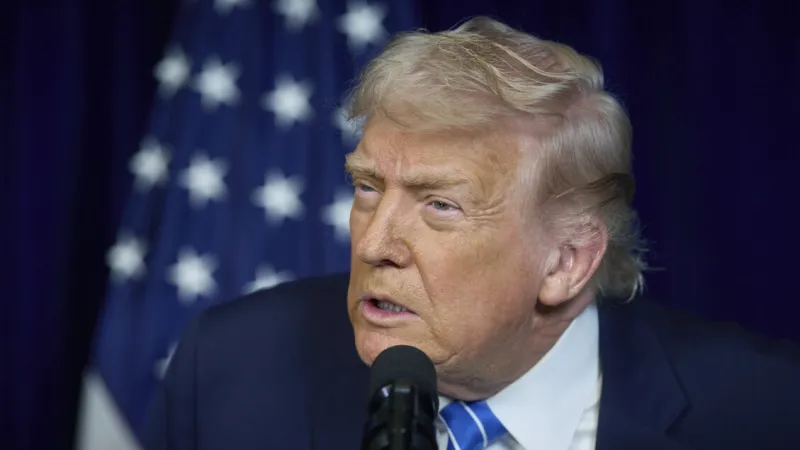
Speaking from the Oval Office, President Trump emphasized the programs vital role in national security. “We cannot afford to let this crucial tool lapse. It protects our nation from terrorists and foreign adversaries,” he stated, stressing the dire consequences of its expiration.
However, a growing number of legislators, spanning both political aisles, expressed deep reservations. They argue that the current framework lacks sufficient safeguards to prevent the improper querying of US persons data, potentially violating Fourth Amendment rights.
Senator Eleanor Vance (R-Ohio), a vocal proponent of reform, told reporters, “Our intelligence agencies need to be effective, but not at the expense of American civil liberties. We must have robust warrants or an equivalent oversight mechanism.”
Conversely, House Intelligence Committee Chairman, Representative Marcus Thorne (D-California), countered that proposed amendments could cripple the programs operational effectiveness. “Any changes must maintain the integrity of intelligence gathering that keeps Americans safe,” he remarked during a recent committee hearing.
The debate over Section 702 has become a perennial struggle in Washington, pitting national security imperatives against privacy advocacy groups and civil liberties organizations. The tension heightens as the deadline for renewal approaches.
Critics point to past instances where intelligence analysts allegedly misused the database to search for information on Americans without proper warrants, fueling calls for more stringent internal controls and external oversight.
Administration officials, including Director of National Intelligence Evelyn Reed, have acknowledged some past compliance issues but insist that corrective measures have been implemented. Reed testified that the program is now subject to rigorous oversight by the Foreign Intelligence Surveillance Court.
The Presidents strong advocacy underscores his administrations commitment to maintaining and enhancing tools deemed essential for countering evolving global threats. This stance sets the stage for a contentious legislative battle in the coming months.
Privacy advocates argue that rather than a simple reauthorization, Congress should consider a complete overhaul that ensures any data collected on Americans is accessed only with a warrant, similar to domestic surveillance standards.
The legislative calendar remains tight, and reaching a consensus appears challenging given the polarized views. The outcome will likely shape the future of foreign surveillance operations and US privacy protections for years to come.