 Robert Andrison
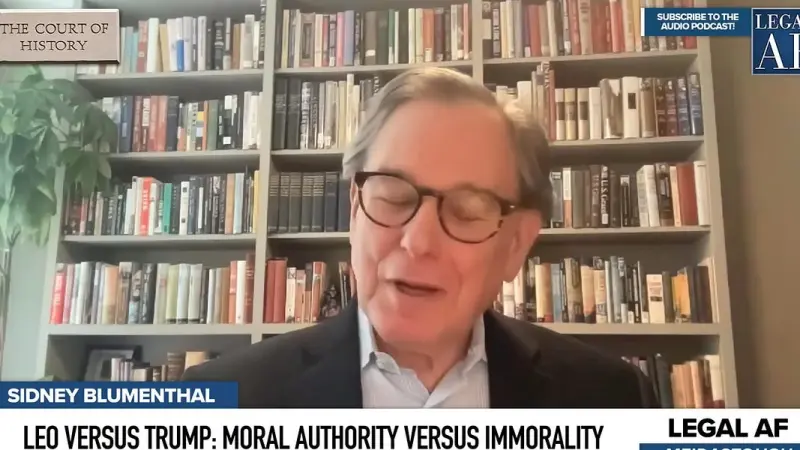
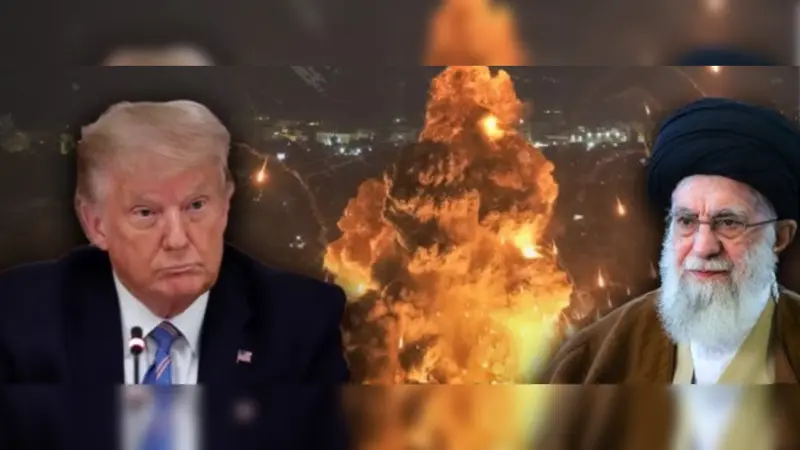
WASHINGTON — President Donald Trump today intensified his public criticism of Pope Leo, asserting the pontiff remains "weak on crime" and questioning the Vatican's approach to global security, just days after initially leveling the accusation. The President's remarks, delivered during a press briefing at the White House, mark a notable escalation in an unusual public dispute between the head of the Catholic Church and the American commander-in-chief, sparking immediate debate among religious and political observers.
President Trump did not provide specific examples to bolster his claim during his latest comments, instead broadly reiterating his conviction that the Churchs leadership under Pope Leo has not been sufficiently forceful in addressing criminal elements globally, particularly regarding issues like human trafficking and organized crime. This follows his initial statement earlier in the week that first brought the Pope into the President's crosshairs.
The initial salvo, made during a campaign rally in Florida on Monday, saw President Trump state, "Pope Leo, he is a good man, but he is weak on crime, very weak. We need strong leaders, tough leaders, especially when dealing with the scourges of the world." Those comments immediately garnered widespread media attention and condemnation from various Catholic organizations.
Vatican officials offered a measured response to the President's initial remarks, with a spokesperson for the Holy See indicating only that the Pope remains committed to promoting peace and justice through dialogue and compassion. No direct rebuttal to the "weak on crime" accusation was issued at that time, a silence some interpreted as a strategic avoidance of direct confrontation.
Today, however, President Trump broadened his critique. "Some leaders, they talk a good game, but when it comes to action, real action against the bad guys, they falter," President Trump stated, without explicitly naming Pope Leo in this particular instance, but clearly alluding to their ongoing disagreement. He emphasized the need for "zero tolerance" against criminal networks.
The ongoing verbal sparring between a sitting American President and the head of the Catholic Church is historically rare, almost unprecedented in modern diplomatic relations. While US presidents have, at times, disagreed with papal pronouncements on political or social issues, direct and repeated personal criticism on such a fundamental aspect of governance is highly unusual.
Political analysts suggest that President Trump's repeated targeting of Pope Leo could be a calculated move to appeal to a segment of his conservative base who may view the Vatican's progressive stances on immigration or social justice as too lenient. The President often frames his rhetoric around a strong law-and-order message.
Leaders within the American Catholic community have expressed a range of reactions. Bishop Michael Rodriguez of Dallas commented, "We pray for both leaders to find common ground in addressing the pressing issues facing humanity. Pope Leo works tirelessly for justice and peace." Others, particularly more conservative Catholic media, have been more sympathetic to the President's concerns, albeit carefully.
The diplomatic fallout of this public disagreement could also be significant. The Vatican holds considerable moral authority on the international stage, and a strained relationship with the world's most powerful nation could complicate efforts on various global initiatives, from poverty reduction to climate action.
It remains unclear how Pope Leo or the Vatican will respond to this latest escalation. Typically, the Holy See prefers quiet diplomacy over public spats. However, the repeated nature of President Trump's criticisms may compel a more direct response to defend the Pontiff's moral authority and the Church's mission.
The President's consistent focus on the "weak on crime" narrative aligns with his broader domestic and foreign policy agenda, which prioritizes national security and aggressive law enforcement. His supporters often laud his uncompromising stance against perceived threats, both internal and external.
Beyond specific policy, the dispute highlights a philosophical divergence between President Trump's often punitive approach to justice and the Vatican's emphasis on mercy, rehabilitation, and addressing root causes of crime like poverty and inequality. This fundamental difference could underpin the ongoing friction.