 Debby Wijaya
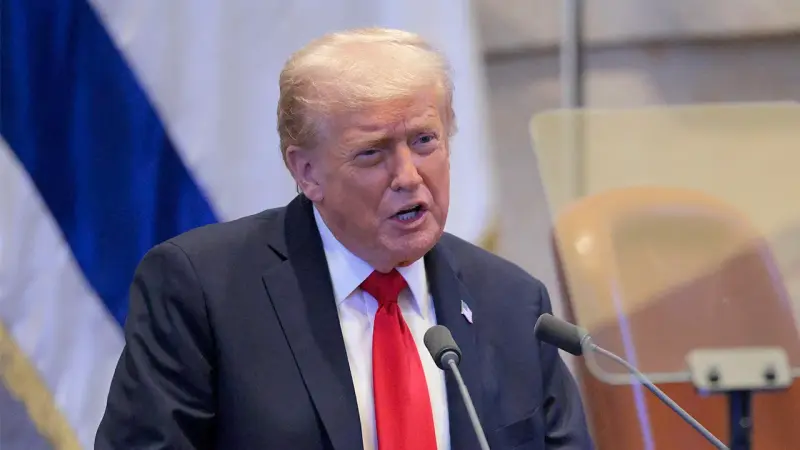
WASHINGTON — President Donald Trump today spoke with Lebanese President Michel Aoun, initiating high-level discussions aimed at bolstering a fragile ceasefire between Israel and Palestinian factions, as diplomatic efforts intensified across the Middle East to de-escalate ongoing regional tensions. The call, originating from the White House, underscores a concerted American push for stability in a volatile area.
The White House confirmed the conversation focused on the critical need to maintain the current cessation of hostilities, which has seen sporadic challenges since its implementation. President Trump reiterated the United States unwavering commitment to a lasting peace that safeguards the security of all parties involved.
This direct engagement with Beirut highlights the multifaceted approach Washington is employing to navigate the complex geopolitical landscape of the Levant. Lebanon, sharing a border with Israel and housing significant Palestinian refugee populations, plays a pivotal role in regional stability.
White House Press Secretary Sarah Miller emphasized the importance of securing broad regional buy-in for any durable peace arrangements. Miller stated that President Trump believes direct dialogue with key regional leaders like President Aoun is essential to building consensus.
The discussion also reportedly touched upon humanitarian aid efforts and the economic challenges facing Lebanon, a country still grappling with internal political divisions and the aftermath of recent crises. Securing a stable regional environment is seen as crucial for Lebanon's own recovery.
Diplomatic sources, speaking on background, indicated that the US administration is particularly keen on preventing any spillover of conflict that could further destabilize Lebanon or ignite new fronts in the wider Israel-Palestine issue. Beirut remains a sensitive flashpoint in the regional power dynamics.
President Aoun reportedly shared his nation's perspectives on the ceasefire and the broader need for a just resolution to the Israeli-Palestinian conflict, emphasizing Lebanon's commitment to peace in accordance with international resolutions.
The US push for a sustainable ceasefire comes amidst renewed international calls for a comprehensive peace process. The diplomatic momentum suggests a recognition that the temporary lull in violence requires sustained political engagement to prevent future escalations.
President Trump has been actively engaging with several regional leaders in recent weeks, seeking to solidify the ceasefire and lay groundwork for more substantive peace talks. His administration views this active diplomacy as central to its foreign policy agenda in the Middle East.
The discussions between the two presidents also served as an opportunity to review bilateral relations between the United States and Lebanon, reaffirming commitment to shared interests and cooperation on various fronts.
Analysts suggest that while the immediate goal is to reinforce the ceasefire, these high-level conversations are also subtly testing the waters for potential broader diplomatic initiatives. The inclusion of Lebanon in these talks underscores a strategic acknowledgement of its influence and vulnerabilities.
Ensuring the Israel ceasefire holds remains a top priority for international mediators, with the United States taking a prominent role in advocating for continued calm and a return to meaningful negotiations between Israeli and Palestinian representatives.