 Chandra Wijayanto
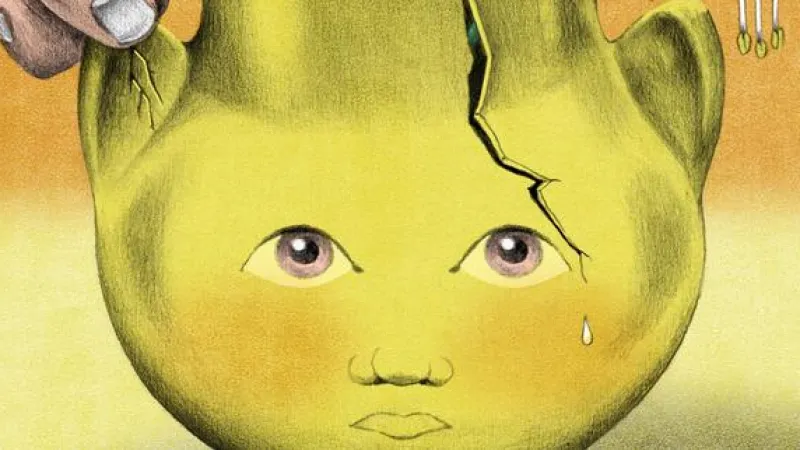
Contemporary global debates underscore a dramatic re-evaluation of child discipline, definitively marking corporal punishment, once widely accepted as a legitimate form of parental authority, as an indefensible practice in modern society. This profound societal shift reflects centuries of evolving perceptions regarding childhood, human rights, and the boundaries of parental intervention, fundamentally altering how children are raised and protected across diverse cultures.
For millennia, physical discipline, often ranging from mild chastisement to severe beatings, was considered a fundamental aspect of child rearing across vast swathes of human civilization. Rooted in various religious doctrines, philosophical treatises, and cultural traditions, the notion that a parent or guardian held an inherent right to inflict physical pain for corrective purposes was rarely challenged.
The seeds of change began to sprout during the Enlightenment, with thinkers like John Locke advocating for a gentler approach to education, emphasizing reason over brute force. However, these were nascent ideas, often confined to philosophical discourse rather than widespread practice, and the broader societal acceptance of corporal punishment persisted.
The 20th century catalyzed a more significant transformation, largely driven by advancements in psychology and pediatrics. Researchers began to meticulously document the detrimental long-term effects of physical discipline, revealing links to increased aggression, antisocial behavior, mental health issues such as anxiety and depression, and impaired cognitive development in children.
The post-World War II era saw the rise of a robust international human rights framework. This movement gradually extended its protective umbrella to children, culminating in the 1989 United Nations Convention on the Rights of the Child (UNCRC). This landmark treaty, now ratified by almost every nation, established children as rights-holders, implicitly challenging any practice that compromises their dignity and physical integrity, including corporal punishment.
Following Sweden's pioneering ban in 1979, an increasing number of countries have since prohibited corporal punishment in all settings, including the home. This legislative trend reflects a growing global consensus that physical violence against children, regardless of its severity or intent, constitutes a violation of their fundamental rights.
The discourse has broadened beyond overt abuse to encompass what is often termed “ordinary educational violence.” This concept addresses routine, seemingly minor physical chastisements that, collectively, can inflict psychological harm and normalize violence within the family unit. Understanding this nuance has been critical in further eroding the perceived legitimacy of physical discipline.
Public opinion, though often slower to shift than expert consensus, has gradually aligned with the scientific and human rights perspectives. Advocacy groups and educational campaigns have played a pivotal role in raising awareness about effective, non-violent parenting strategies and the inherent harms of physical punishment.
Governments worldwide are implementing policies to safeguard children. For instance, France Institutes Permanent Blacklist for School Staff Misconduct with Minors, demonstrating a commitment to protecting young individuals within educational environments. Furthermore, the French Assembly Advances Broad Anti-Violence Bill Following School Scandal, reflecting a comprehensive legislative approach to child protection.
Similarly, other nations are reinforcing their legal frameworks. Italy Mandates Stiffer Penalties, Up to 10,000 Euro Fines for Student Assaults, signaling a strong governmental stance against any form of violence directed at students.
Despite this significant progress, pockets of resistance remain in various cultural or religious communities where traditional views on discipline persist. These groups often cite religious texts or cultural heritage to defend physical punishment, presenting ongoing challenges for universal implementation of prohibitions.
However, a concerted global effort continues to promote positive parenting techniques, emphasizing communication, empathy, and consistent non-violent methods for guiding children's behavior. These approaches are increasingly recognized as more effective for fostering healthy development and strong parent-child bonds.
The role of educational institutions, healthcare providers, and social services is paramount in this ongoing transformation. These bodies serve as crucial conduits for disseminating information, offering support, and intervening when children's rights are at risk, reinforcing the message that children deserve protection from all forms of violence.
The trajectory is clear: the global community is moving towards a future where corporal punishment is universally recognized as an archaic and harmful practice. The indefensible nature of physical discipline, once a radical notion, is now a foundational principle in the evolving understanding of child welfare and human dignity.