 Chandra Wijayanto
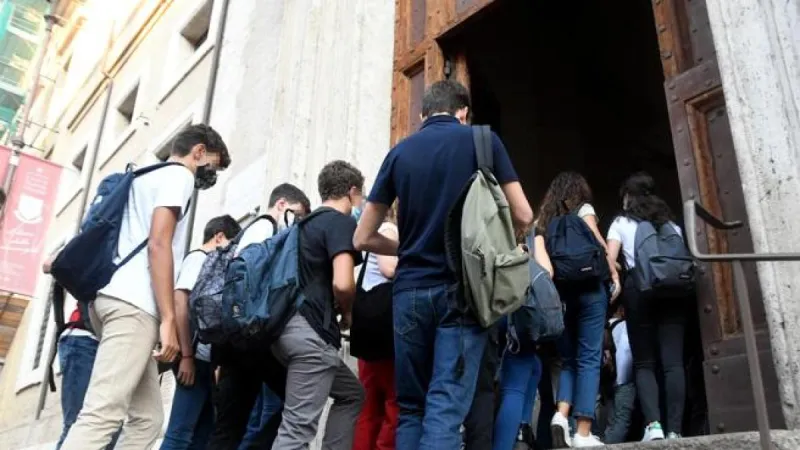
ROME – A recent study by AlmaDiploma, a leading Italian inter-university consortium, reveals significant apprehension among the nation's graduating high school students. On the eve of their crucial Maturity exam, only 53.1 percent expressed satisfaction with their chosen secondary school path. This figure indicates that nearly half of Italian graduates harbor regrets about their educational trajectory, a trend with profound implications for the Italian education system and future workforce.
The comprehensive survey highlights a critical disconnect between student expectations and the realities of their academic experience. Many of the dissatisfied students articulated a desire for curricula that would provide more effective preparation for either university studies or direct entry into the job market. This sentiment underscores a perceived deficiency in vocational and academic guidance within secondary education.
Further compounding the complexities of educational pathways, the AlmaDiploma research uncovered the formidable role of parental influence. For a striking two out of five students, parental opinion held greater sway than the official guidance offered by their schools when making decisions about their post-secondary education. This statistic suggests a potential misalignment between institutional advice and familial pressures, impacting student autonomy and satisfaction.
The survey was conducted at a pivotal moment, just as students faced the rigorous Maturity exam, which marks the culmination of their secondary education and serves as a gateway to higher learning. The timing of the findings provides a snapshot of student sentiment during a period of intense academic pressure and life-altering decisions.
While initial satisfaction levels appear low, the study also offered a glimmer of improvement. Researchers noted that the percentage of satisfied graduates increased slightly after one year. This marginal rise suggests that some students may adjust to their choices over time, or perhaps begin to recognize the value of their education retrospectively as they navigate new academic or professional environments.
Educational experts in Italy are scrutinizing these findings, particularly the implications for school guidance counseling and curriculum development. The data points to an urgent need for enhanced career orientation programs that better align student aspirations with suitable academic and vocational pathways, ensuring that the preparation offered is truly relevant to contemporary demands.
The pervasive influence of parents also invites broader discussion on cultural norms and the balance between familial support and individual choice in academic pursuits. While parental involvement can be a powerful motivator, its dominance over professional school guidance raises questions about whether students are truly pursuing their own passions and aptitudes.
This revelation comes amidst ongoing discussions about educational reforms in Italy. For instance, recent legislative changes affecting elementary grading have also sparked debate, as highlighted in the article Italian Senator Decries Unilateral Elementary Grading Reform. Such discussions underscore a broader societal effort to refine and improve the national education framework.
The AlmaDiploma report provides a critical lens through which to view the efficacy of the Italian education system in preparing its youth for the challenges of higher education and professional life. Addressing student dissatisfaction and fostering greater autonomy in educational choices will be crucial for the nation's long-term human capital development.
Moving forward, educational institutions and policymakers must collaborate to develop more robust guidance mechanisms that empower students to make informed decisions, considering both their individual talents and the evolving requirements of the global economy. This proactive approach could help mitigate future regrets and cultivate a more satisfied, well-prepared generation of graduates.
The findings resonate beyond immediate academic concerns, touching upon deeper societal expectations placed on young individuals. The pressure to choose a path that guarantees success, often filtered through parental aspirations, can overshadow personal inclination, potentially leading to a less engaged and less fulfilled student body.
Ensuring that educational pathways genuinely equip students for their desired futures, whether in academia or the workplace, represents a significant challenge and an opportunity for growth within the Italian educational landscape. A concerted effort to bridge the gap between student expectations and educational outcomes is paramount.