 Chandra Wijayanto
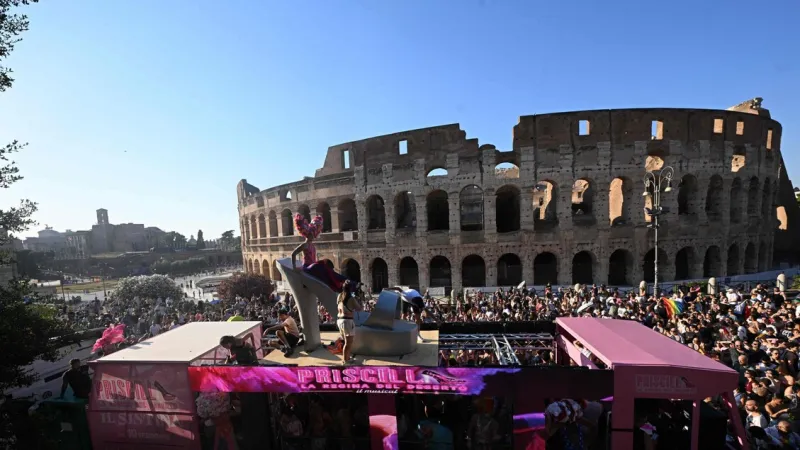
Treviso, Palermo and four other Italian cities today host the Onda Pride 2026 demonstrations, drawing thousands of participants to advocate for the fundamental rights and recognition of LGBTQIA+ individuals across the nation. These synchronized marches, translating to Wave Pride, underscore a persistent societal demand for equality, affirming the community's presence and pressing for legislative advancements in 2026.
The annual Onda Pride movement serves as a crucial platform for the LGBTQIA+ community and its allies to vocalize concerns regarding discrimination, limited legal protections, and societal prejudices. Organizers emphasize the importance of visibility and collective action in influencing public discourse and governmental policy.
From the northern city of Treviso to the southern hub of Palermo, the urban landscapes transform into vibrant tapestries of rainbow colors and passionate slogans. Each city's event, while localized, contributes to a unified national message, reflecting diverse regional concerns within a broader fight for human rights.
"Today is about showing that we exist, we resist, and we demand equal dignity under the law," stated a spokesperson for one of the organizing committees, whose identity remains protected for privacy reasons. "Our presence in the streets is a clear call for a more inclusive Italy, one that genuinely protects all its citizens, regardless of their sexual orientation or gender identity."
The Onda Pride initiative, a continuation of decades of LGBTQIA+ activism in Italy, highlights ongoing struggles despite incremental progress. The movement builds on the legacy of global Pride events, which began with the Stonewall Uprising, asserting fundamental human rights and demanding societal acceptance.
The demonstrations unfold against a backdrop of complex political dynamics both domestically and internationally. While Italy has seen debates surrounding civil unions, full marriage equality and comprehensive anti-discrimination laws remain contentious issues. The broader European context also reflects varying degrees of acceptance and legal frameworks for LGBTQIA+ citizens.
Key demands this year include the full legal recognition of same-sex marriage, robust anti-discrimination legislation encompassing employment, housing, and healthcare, and the safeguarding of parental rights for same-sex couples. Activists also call for more inclusive education and public awareness campaigns to combat homophobia and transphobia.
The marches typically garner significant public attention, drawing a mix of supporters, curious onlookers, and occasional counter-protesters. Authorities maintain a visible presence to ensure the peaceful conduct of the events and to facilitate safe passage for participants through city centers.
Local police forces in each of the six cities implemented traffic diversions and security measures to accommodate the large crowds. Organizers collaborated closely with municipal authorities to ensure adherence to public safety protocols while maximizing the impact of the demonstrations.
Activists anticipate these widespread demonstrations will reignite legislative debates in the Italian Parliament concerning LGBTQIA+ rights. The sheer scale of Onda Pride 2026 aims to put renewed pressure on lawmakers to address existing legal gaps and fully align Italy with more progressive European nations on these issues.
As the sun sets over Italy's diverse cities, the echoes of chants and the vibrant colors of the Pride flags leave an indelible mark, signaling a collective resolve for an Italy where all citizens can live authentically and without fear of prejudice.