 Debby Wijaya
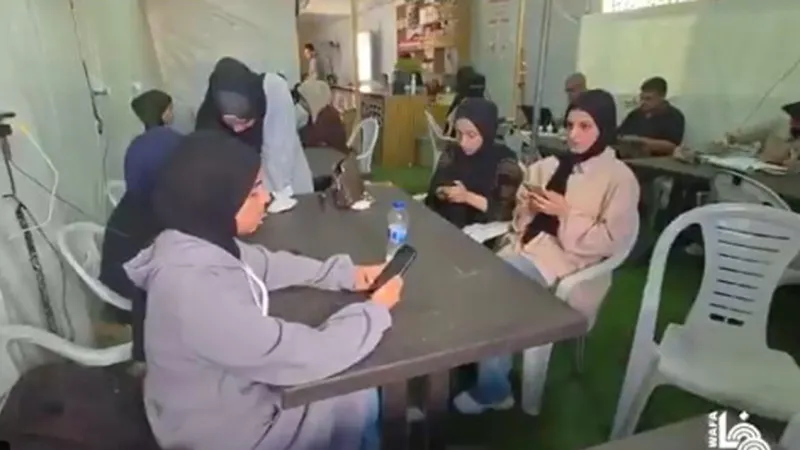
Gaza students are undertaking their crucial final examinations amidst widespread destruction and the ongoing aftermath of conflict, often resorting to crowded cafes to access vital Wi-Fi connectivity. This desperate pursuit of education unfolds as the region grapples with recent violence, including an Israeli Defense Forces raid that reportedly claimed seven lives.
The recent IDF operation, which resulted in seven fatalities, has further exacerbated an already dire humanitarian situation. Details surrounding the raid remain contested, but its impact on civilian infrastructure and morale is undeniable, casting a long shadow over the aspirations of thousands of young Palestinians preparing for their academic futures.
Across the besieged strip, schools lie damaged or entirely demolished, their halls and classrooms reduced to rubble. The physical landscape of Gaza City and surrounding areas bears the stark scars of prolonged bombardment, leaving students without traditional learning environments. Makeshift study spaces have become the norm, from tents in displacement camps to relatives homes often housing multiple families.
For many, like one young woman quoted from the affected area, the challenge extends beyond finding a physical space. "I am displaced," she recounted, her voice reflecting profound hardship. "I studied with a small lamp." Her experience mirrors that of countless others who have lost their homes, their sense of normalcy, and access to basic amenities.
This reliance on a small lamp underscores the severe power outages that plague Gaza, making consistent electricity a luxury rather than a given. Such conditions force students to improvise, often studying late into the night by the meager glow of battery-powered lights, highlighting their extraordinary resilience in the face of insurmountable odds.
The search for reliable internet access has driven many to local cafes, transformed into impromptu study hubs. These establishments, often among the few structures with functional electricity and Wi-Fi, offer a brief respite and a crucial connection to the outside world, enabling students to access online resources and connect with peers.
The maturita exam, a pivotal milestone in the Palestinian education system, typically marks the culmination of secondary schooling and serves as a gateway to higher education. Its administration under such extreme duress raises profound questions about equity and the mental health toll on a generation already scarred by conflict.
International bodies and humanitarian organizations have consistently highlighted the devastating impact of conflict on education in Gaza. Access to learning materials, psychological support, and safe learning environments remains critically limited, impacting both current students and the long-term educational prospects of the region.
The broader humanitarian crisis, characterized by shortages of food, medicine, and clean water, creates an environment where academic pursuits become an act of profound defiance. The daily struggle for survival often overshadows the intellectual challenges of examinations, yet students persist, driven by hope for a better future.
This tenacity reflects the deep-seated value placed on education within Palestinian society, viewed as a pathway to self-determination and rebuilding. Despite the rubble, the displacement, and the constant threat of violence, these students embody an unwavering commitment to learning.
The international community, including leaders such as Pope Francis, has frequently called for an end to hostilities and a renewed focus on peace in the region. Pope Francis has publicly demanded an end to hate speech and appealed for peace, a sentiment that resonates deeply with the plight of Gaza's youth striving for education amidst ongoing conflict.
The sheer number of students facing these conditions runs into the tens of thousands, each carrying their own narrative of loss, resilience, and ambition. Their collective efforts to sit for these exams represent more than just academic achievement; they symbolize a refusal to surrender to despair.
Observers and aid workers express concern over the long-term psychological effects of studying and living under such perpetual stress. The trauma of war, combined with academic pressure, poses significant challenges to the mental well-being of these young individuals.
As the examinations conclude, the future for these graduates remains uncertain. The pathways to university, employment, and stability are obstructed by the very conditions under which they have bravely completed their studies. Yet, their perseverance offers a poignant testament to the human spirit's capacity for hope against all odds.