 Edward DP Situmorang
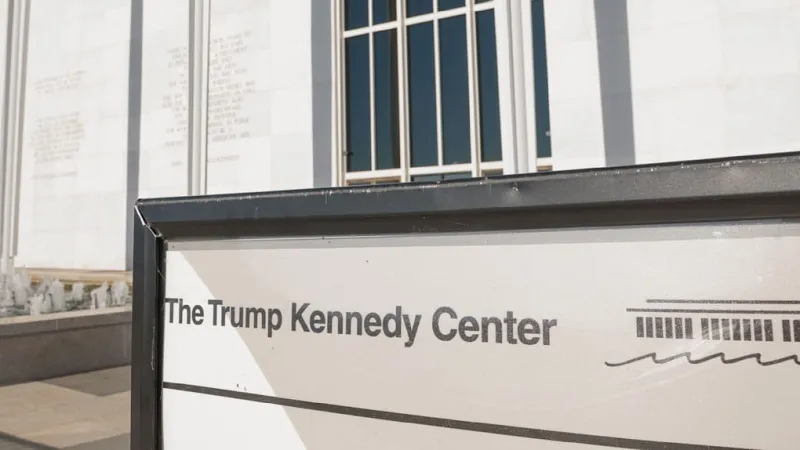
Washington, D.C. – President Donald Trump has abruptly ceased his administration's plans for a significant renovation of the John F. Kennedy Center for the Performing Arts. This decision follows a recent judicial ruling that mandated the removal of the President's name from the facade of the esteemed cultural institution, prompting him to declare he felt "unfairly treated" by the courts.
The White House confirmed the President's withdrawal from the project, a move that casts uncertainty over the future of the much-needed modernization efforts for the iconic performing arts complex. The judicial decision, issued earlier this week, centered on the appropriateness of inscribing a sitting President's name on the historic structure without broader congressional or public consensus.
Sources close to the administration indicated that President Trump had initially championed the renovation, with the understanding that his involvement would be recognized through the prominent placement of his name. This personalized investment in the project evidently soured upon the court's intervention.
The Kennedy Center, a living memorial to President John F. Kennedy, stands as a premier venue for artistic performance and education in the United States. Its preservation and updating are often considered matters of national cultural importance, transcending partisan politics.
President Trump's public statement regarding feeling "unfairly treated" underscores a consistent pattern of his administration's contention with judicial oversight. This sentiment has frequently surfaced when court decisions challenge executive actions or initiatives.
For the Kennedy Center, the President's sudden disinterest means a significant funding and directional vacuum. Renovation projects of this scale often rely heavily on federal backing and the enthusiastic endorsement of the executive branch to secure necessary resources and streamline logistical challenges.
The judicial system frequently acts as a check on executive and legislative endeavors, a principle visible in various governmental projects. A similar instance of judicial scrutiny affecting governmental undertakings involved allegations of labor abuse at the US Consulate Milan project, highlighting the pervasive influence of legal challenges.
Observers of cultural policy suggest that the void left by the President's withdrawal will necessitate a swift reassessment by the Kennedy Center's board and potentially Congress to prevent undue delays in essential maintenance and upgrades. The historical precedent of presidential patronage for national cultural sites makes this current situation unusual.
The original proposal for the renovation aimed to enhance accessibility, modernize performance spaces, and improve visitor experiences, ensuring the center's capacity to host world-class artists and engage diverse audiences for decades to come.
While the specific details of the court's reasoning for mandating the name's removal have not been fully disclosed, it is understood that the ruling emphasized the historical and symbolic integrity of the memorial as paramount. This legal interpretation ultimately led to the President's decision to distance himself entirely from the undertaking.
This development serves as a stark reminder of the intricate balance between executive ambition, judicial authority, and the preservation of national landmarks. The Kennedy Center now faces the dual challenge of addressing its structural and programmatic needs without a key patron.
The cultural community in Washington, D.C., and beyond watches closely to see how this significant project will navigate its path forward, highlighting the broader implications of presidential decisions on federal arts funding and institutional legacy.