 Edward DP Situmorang

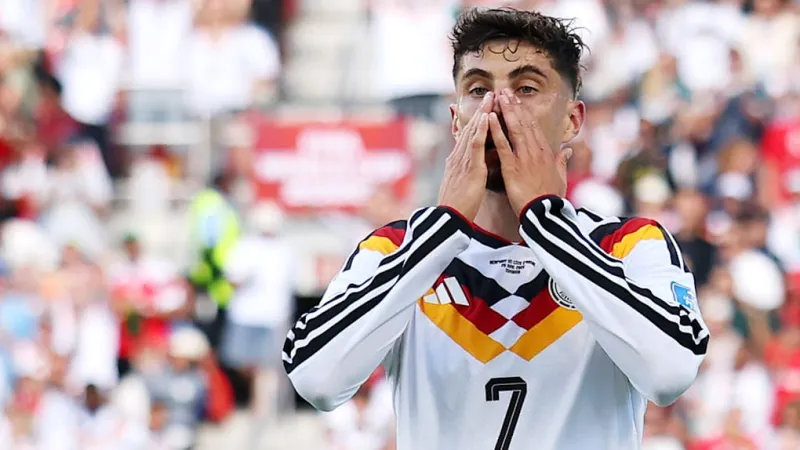
DOHA, QATAR – German national coach Julian Nagelsmann publicly voiced his frustration over the intrusive presence of photographers directly in front of the team during the national anthem ceremony, describing the obstruction as making it impossible to see the solemn proceedings. His comments followed Germany's recent victory against Ivory Coast, drawing attention to a persistent issue previously highlighted by coaches such as Thomas Tuchel.
The 38-year-old Nagelsmann, speaking after the crucial World Cup match, articulated the profound inconvenience posed by the dense cluster of media personnel. “You can't really see anything,” he stated, lamenting the visual barrier that impedes full participation in one of football's most revered pre-match rituals.
This sentiment resonates with growing concerns within the professional football community regarding the ever-expanding media footprint on the pitch. Coaches and players frequently express a desire for clearer sightlines and less interference during moments intended for focus and national pride.
The issue is not isolated to Nagelsmann. Former Bayern Munich coach Thomas Tuchel had previously raised similar objections regarding the proximity and sheer number of photographers during high-profile matches. This pattern suggests a systemic challenge in balancing media access with the needs of the athletes and coaching staff.
Such obstructions can detract from the emotional gravitas of the national anthem, a moment when players and coaches connect with their national identity and prepare mentally for the contest ahead. When a wall of lenses and equipment impedes this experience, it can be perceived as disrespectful to the ceremony itself.
Football's governing bodies, including FIFA, traditionally establish strict guidelines for media access and pitch-side presence. However, the sheer demand for imagery from global events like the World Cup often leads to a congested environment, pushing the boundaries of these regulations.
The incident highlights a broader tension between the immersive experience demanded by modern sports broadcasting and the intimate moments that define athletic competition. Media access, while vital for public engagement, must be managed to preserve the integrity and sanctity of the game's key rituals.
Critics argue that allowing photographers to cluster so closely during such moments undermines the spectacle for those on the field, transforming a moment of national pride into a battle for visibility. The visual spectacle is primarily for the viewers, but not at the expense of those participating directly.
Solutions could include designated, elevated platforms for photographers, increased enforcement of restricted zones, or more innovative remote camera technology. These measures could potentially offer comprehensive coverage without physically impeding those central to the event.
As the World Cup progresses, such criticisms from high-profile figures like Nagelsmann could prompt FIFA to re-evaluate its media access policies for future tournaments. Ensuring a dignified and unobstructed experience during the anthems remains paramount for teams.
Germany, having secured its place in the tournament's later stages, celebrated a critical victory against Ivory Coast. The win, highlighted by impressive performances, underscores the high stakes of every moment on the world stage. Read more about Germany's advancement in the article Undav Double Propels Germany Past Ivory Coast Into World Cup Last 16.
The team's focus now shifts to preparing for subsequent matches, with every detail, from on-field strategy to pre-match logistics, under intense scrutiny. Nagelsmann's comments serve as a reminder that even seemingly minor inconveniences can impact the experience of those at the pinnacle of international football.
Further details on Germany's progression can be found in Germany Secures World Cup Last 16 with Undavs Decisive Brace. This growing chorus of complaints from influential football personalities signals a potential turning point in how sports organizations manage media presence at major international competitions.
The debate centers on how to capture the action without disrupting the participants. The criticism from Nagelsmann adds to an ongoing discussion about the evolving landscape of sports journalism and its physical demands. While capturing iconic images is essential, maintaining respect for the game's traditions and the athletes' experience remains a delicate balance.