 Robert Andrison
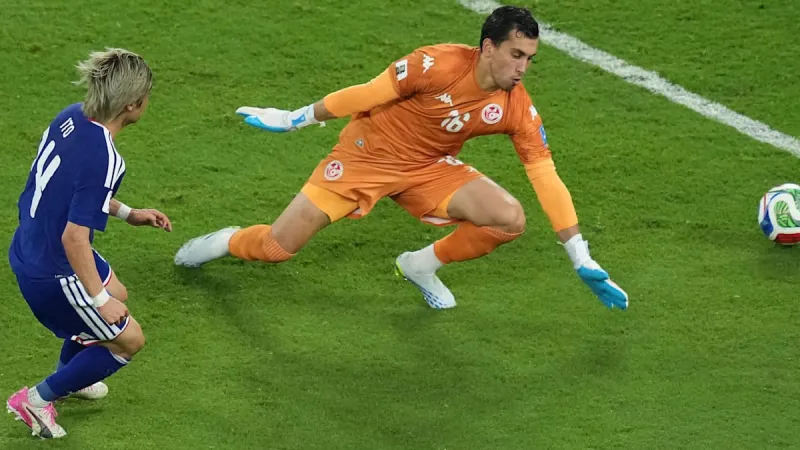
Japan's national football team, known as the Blue Samurai, secured a commanding 3-0 victory over Tunisia in a pivotal World Cup match, with Junya Ito's 69th-minute goal effectively sealing the contest. The triumph underscored Japan's formidable blend of speed, precision, and efficiency, leaving the Tunisian defense visibly overwhelmed throughout the encounter.
The decisive blow came midway through the second half. Ito's goal, a testament to Japan's relentless attacking prowess, solidified an already significant lead, leaving Tunisia with an insurmountable challenge in the remaining minutes. This goal was not merely a numerical addition; it was the psychological turning point that extinguished any lingering hopes for a Tunisian comeback.
From the opening whistle, the Blue Samurai dictated the pace, executing a high-pressing game that consistently disrupted Tunisia's attempts to build momentum. Their transitions from defense to attack were swift and incisive, repeatedly exposing gaps in the Tunisian backline. This relentless tempo proved too much for their North African opponents.
Tunisia, in stark contrast, appeared outmatched, particularly in defensive coordination. Despite efforts to contain Japan's dynamic forwards, their lines were frequently breached, leading to numerous scoring opportunities for the Asian powerhouse. The disarray in their defensive structure was a recurring theme, ultimately contributing to their comprehensive defeat.
This result holds significant implications for both nations' World Cup aspirations. For Japan, it represents a strong statement of intent, reinforcing their position as a formidable contender in their group. Their performance against Tunisia demonstrated a team hitting its stride at a crucial juncture of the tournament.
The match had been highly anticipated, with observers keen to see which side would gain the upper hand in what many considered a crucial Group F encounter. Prior to the game, both teams had been meticulously preparing for this pivotal World Cup Group F clash, understanding its potential to shape their progression hopes.
Japan's coach likely implemented a strategy emphasizing quick passing and fluid movement, which paid dividends. The squad exhibited exceptional technical skill, maintaining possession effectively and creating chances through intricate build-up play. Each attack seemed calculated, designed to exploit specific weaknesses in the Tunisian formation.
Conversely, Tunisia's tactical setup seemed unable to counter Japan's multifaceted approach. Their attempts to absorb pressure and launch counter-attacks often fizzled out due to a lack of cohesion and speed in their forward movements. The defensive struggles ultimately undermined any offensive ambitions.
This emphatic victory for Japan positions them favorably in their group standings, boosting team morale and confidence as the tournament progresses. The efficiency with which they dispatched a seemingly competitive opponent will undoubtedly send a clear message to future adversaries.
For Tunisia, this defeat necessitates a rigorous post-match analysis. Addressing their defensive vulnerabilities and finding ways to cope with high-intensity opponents will be paramount if they are to salvage their World Cup campaign. The road ahead appears challenging, requiring a significant tactical and psychological shift.
The Blue Samurai's performance highlighted the growing strength of Asian football on the global stage. Their blend of athleticism and tactical discipline is becoming a hallmark of their international presence, allowing them to compete with, and often overcome, traditionally stronger footballing nations.
Analysts will undoubtedly point to Japan's ability to capitalize on chances as a key differentiator. Converting opportunities efficiently is crucial in World Cup football, and Japan demonstrated a clinical edge that Tunisia sorely lacked. This proficiency in front of goal was a significant factor in their commanding win.
The sheer speed of Japan's attacks, combined with the precision of their passing, left little room for Tunisia to recover or reorganize. Each wave of Japanese offense piled more pressure onto a defense that seemed increasingly fragile under the relentless assault.
Looking forward, Japan will aim to maintain this high level of performance as they face tougher challenges in the knockout stages, assuming they advance. Their current form suggests they possess the quality to make a deep run in the tournament.
Tunisia, meanwhile, must regroup quickly. Their remaining group stage matches will be critical, demanding an immediate improvement in defensive solidity and a more potent attacking threat if they are to stand any chance of progressing beyond this initial phase. The lessons from this match must be swiftly integrated.
This display of Japan's footballing prowess cemented their reputation as one of the tournament's dark horses, capable of delivering captivating performances that blend strategic acumen with individual brilliance. The World Cup continues to showcase unexpected turns and dominant displays.