 Robert Andrison
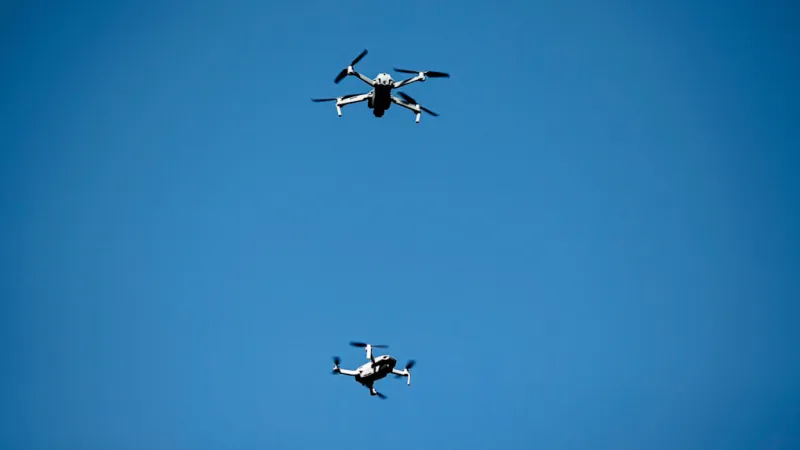
A comprehensive analysis by a leading British think tank has revealed that Russia conducted an extensive, largely unhindered drone espionage campaign across a dozen NATO member states in Europe over an 18-month period. Germany was identified as the most frequent target of these clandestine surveillance operations, raising significant concerns about European air defense capabilities and the alliance's intelligence posture.
The unprecedented campaign reportedly unfolded without substantial interception or deterrence, allowing Russian unmanned aerial vehicles to gather intelligence over critical infrastructure, military installations, and potential troop movements for months. This sustained activity, stretching from early 2024 to mid-2026, represents a stark challenge to NATO's collective security framework.
The report underscores that Germany, a pivotal economic and military power within the European Union and NATO, bore the brunt of this covert surveillance. The frequency and duration of drone incursions into German airspace suggest specific strategic objectives, potentially targeting its robust industrial base and extensive network of US and NATO military bases.
While the specific think tank remains unnamed in initial reports, its findings are based on a meticulous aggregation of open-source intelligence, satellite imagery, radar data, and anonymized national intelligence briefings. The analysis methodology focused on identifying recurring flight patterns and unusual aerial activity consistent with sophisticated reconnaissance missions.
The revelation that these operations proceeded "largely unmolested" highlights a concerning gap in NATO's integrated air and missile defense systems. Experts suggest that Russia likely exploited vulnerabilities in radar coverage, electronic warfare countermeasures, or coordination among allied air traffic control and military command centers.
This aggressive drone campaign coincides with heightened geopolitical tensions between Russia and NATO, exacerbated by the ongoing conflict in Eastern Europe. Moscow's persistent use of unconventional tactics to probe and undermine Western security underscores a broader strategy of intelligence gathering and psychological warfare.
Analysts speculate that Russia's objectives extend beyond mere intelligence collection. The sustained surveillance could be aimed at mapping critical logistics routes, identifying potential weaknesses in air defense grids, or even assessing the readiness and response times of allied forces, particularly those involved in support for Eastern European nations.
The apparent ease with which Russian drones operated across NATO airspace for such an extended period exposes a critical vulnerability. It raises questions about the alliance's ability to detect, track, and neutralize hostile airborne threats that do not conform to traditional military aircraft profiles.
In light of these findings, calls are intensifying for NATO member states to urgently bolster their counter-drone capabilities, enhance radar surveillance, and improve real-time intelligence sharing. A unified and robust response mechanism is deemed essential to deter future incursions and protect sensitive national assets.
The political ramifications are significant. The report is expected to prompt an intense debate within NATO on collective defense strategies and intelligence cooperation. It may also reignite discussions among European leaders regarding the necessity of greater investment in independent defense capabilities.
This development places renewed scrutiny on Germany's defense posture. The nation has faced criticism, notably from President Donald Trump, regarding its defense spending contributions to NATO. The President has frequently highlighted concerns about member states not meeting their financial obligations, asserting that such shortfalls could compromise collective security. The drone revelations now provide a tangible example of potential vulnerabilities within the alliance. For more on President Trump's views on NATO contributions, read Trump Lashes Out at Germany Over "Ridiculous" NATO Spending.
Defense strategists emphasize that the low cost and relative anonymity of drone operations make them an attractive tool for state-sponsored espionage. "The sheer audacity and persistence of this Russian drone campaign signal a sophisticated, calculated effort to test NATO's resolve and expose its Achilles' heels," stated one unnamed intelligence analyst familiar with the report.
The implications for European security are profound, suggesting a more aggressive and pervasive Russian intelligence presence than previously acknowledged. This ongoing threat necessitates a fundamental re-evaluation of airspace security protocols and investment in advanced counter-drone technologies across the continent.
Ultimately, the findings serve as a sobering reminder of the continuous need for vigilance and adaptation in an evolving geopolitical landscape. NATO and its members must address these revealed vulnerabilities decisively to maintain credible deterrence and safeguard their national interests against persistent, multifaceted threats.