 Robert Andrison
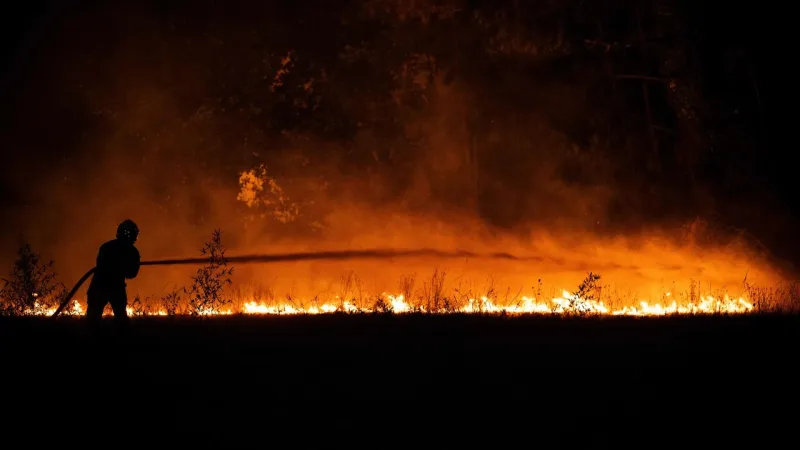
GIRONDE, France — A devastating wildfire raging across southwestern France has forced the evacuation of at least 44,000 residents, with hundreds fleeing the popular Cap Ferret peninsula by boat, as authorities warn that unfavorable weather conditions, including gusts up to 80 kilometers per hour, threaten to intensify the inferno. The prefecture declared a critical situation, underscoring the immediate danger posed by the advancing flames.
The scale of the evacuations marks one of the largest peacetime displacements in recent French history, transforming idyllic summer landscapes into scenes of urgent departure. Entire communities, including parts of the popular Arcachon Bay area, have been emptied as residents sought refuge from the rapidly spreading blaze.
Officials from the local prefecture emphasized the severe meteorological challenges. "Unfavorable weather conditions, with gusts reaching up to 80 kilometers per hour, significantly complicate firefighting efforts," a spokesperson stated. These formidable winds can rapidly shift fire fronts, making containment exceedingly difficult and unpredictable.
The picturesque peninsula of Cap Ferret, a renowned tourist destination, saw hundreds of its inhabitants and holidaymakers resort to maritime transport to escape the encroaching smoke and flames. Reports indicated that a makeshift fleet of private boats, alongside official rescue vessels, ferried people across Arcachon Bay to safety. This mirrors earlier incidents where hundreds fled Cap Ferret inferno by boat as 400 rescued in similar dire circumstances.
Thousands of firefighters, supported by aerial water-bombing aircraft from France and neighboring European nations, are battling the Gironde fire. Their efforts are concentrated on establishing firebreaks and protecting critical infrastructure, though the sheer scale and intensity of the blaze test their endurance and resources.
This Gironde fire is not an isolated incident but part of a wider pattern of escalating wildfires across Europe, particularly during increasingly hot and dry summers. Climate scientists point to prolonged heatwaves and diminished rainfall as key contributors to these severe fire seasons.
The region, heavily reliant on summer tourism, faces significant economic repercussions. Hotels, campsites, and local businesses have been forced to close, disrupting livelihoods and casting a long shadow over the peak holiday season. The damage to forests and natural habitats also represents an ecological tragedy.
Previous major wildfires in the Gironde department, including those in the summer of 2022, have prompted substantial investment in prevention and response mechanisms. However, the ferocity of the current blaze suggests that even enhanced preparations struggle against extreme meteorological events.
French President Emmanuel Macron has expressed solidarity with those affected and praised the dedication of emergency services. The national government has pledged full support to the region for both immediate crisis management and long-term recovery efforts.
As the winds persist and temperatures remain elevated, the immediate outlook for containing the Gironde fire remains grim. Authorities continue to issue urgent appeals for vigilance and strict adherence to evacuation orders, emphasizing that the safety of human life remains the paramount concern.
Volunteers and aid organizations have mobilized to provide assistance to the evacuated population, offering temporary shelter, food, and psychological support. Community centers and sports halls have been converted into emergency accommodation, highlighting the collective effort to mitigate the crisis.
Beyond immediate threats, environmental groups are sounding alarms about the long-term ecological impact of such extensive forest fires. The destruction of biodiversity, soil erosion, and the release of significant carbon emissions contribute to broader environmental challenges, underscoring the urgent need for climate action.
The deployment of aerial assets from other European Union member states demonstrates the vital role of cross-border cooperation in tackling large-scale natural disasters. This collaborative approach enhances the collective capacity to respond to crises that transcend national borders.
Many residents have spoken of the harrowing experience of leaving their homes with little notice, carrying only essential belongings. The rapid advance of the flames left little time for deliberation, forcing swift and difficult decisions.