 Edward DP Situmorang
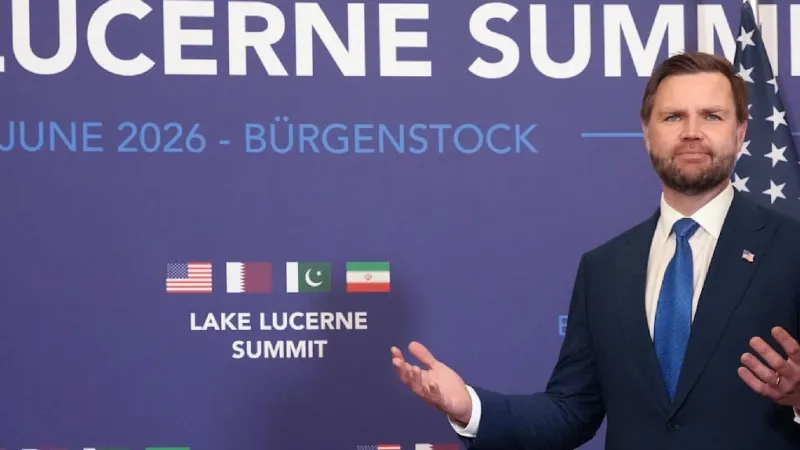
GENEVA – High-stakes negotiations between the United States and Iran are scheduled to commence in Switzerland this Sunday, aimed at de-escalating regional conflicts, unfreezing assets, and establishing viable trade routes. However, the delicate diplomatic process faces immediate hurdles as Tehran issues fresh demands, including a controversial insistence on limiting discussions to a single day and maintaining its uranium enrichment program. US Vice President J.D. Vance has already arrived in the Alpine nation, poised for what promises to be a complex exchange.
Iran's call to truncate the extensive agenda into a single day raises questions about the sincerity and potential depth of the forthcoming discussions. Such an approach, if adhered to, would severely restrict the time available to address multifaceted issues ranging from regional security concerns to the intricate details of economic sanctions and trade pathways.
The insistence on continuing its uranium enrichment program remains a primary point of contention, directly challenging international efforts to curb Iran's nuclear capabilities. Global powers, including the United States, have long expressed profound concerns that such enrichment could eventually lead to the development of nuclear weapons, a claim Tehran consistently denies, asserting its program is for peaceful energy purposes.
US Vice President Vance's presence underscores the critical importance Washington places on these discussions. His arrival in Switzerland, widely reported, signaled the administration's readiness to engage directly with Iranian counterparts on these pressing issues. More details about his preparatory activities can be found in a related report: US Envoy Vance Arrives in Switzerland for Crucial Iran Talks.
The broader objectives for these talks extend beyond the nuclear question, encompassing an end to lingering regional hostilities that have destabilized the Middle East for years. Both nations are under immense pressure to find common ground to alleviate tensions that have frequently spilled over into proxy conflicts and maritime incidents.
Economic considerations form another pivotal aspect of the agenda. The United States has maintained stringent sanctions on Iran, leading to significant economic strain within the Islamic Republic. Discussions around unfreezing assets and facilitating new trade routes are crucial for Iran's economic recovery and a potential pathway to de-escalation.
The context of these negotiations is deeply rooted in a history of mistrust and strained relations, particularly since President Donald Trump withdrew the US from the Joint Comprehensive Plan of Action (JCPOA), commonly known as the Iran nuclear deal. This move in 2018 initiated a period of heightened tensions and renewed sanctions, dramatically reshaping the diplomatic landscape.
Previous rounds of Iran Nuclear Talks Begin Amid Hormuz Closure, Uranium Enrichment Standoff have often been characterized by similar stalemates over the nuclear program and the fate of key maritime routes. The current demands from Tehran suggest a continuation of this hardline approach, posing a formidable challenge to diplomatic progress.
The international community watches with bated breath, recognizing that a breakthrough could usher in a new era of stability, while a failure could plunge the region into deeper uncertainty. The strategic importance of the Strait of Hormuz, a critical global oil transit choke point, frequently intertwines with Iran's nuclear posture and regional assertive actions.
President Trump's administration has consistently advocated for a more comprehensive agreement with Iran, one that addresses not only its nuclear program but also its ballistic missile capabilities and support for regional proxies. Tehran, conversely, views such demands as infringements on its sovereignty and security interests.
These upcoming talks represent a delicate balance between leverage and diplomacy. The United States seeks to pressure Iran into concessions, while Iran aims to assert its autonomy and secure economic relief. The compressed timeline proposed by Iran complicates the already arduous task of bridging these fundamental differences.
Ultimately, the success of these negotiations will hinge on the willingness of both sides to move beyond entrenched positions and explore pragmatic solutions. The world awaits to see if the Sunday discussions in Switzerland will lay the groundwork for a genuine resolution or merely underscore the enduring chasm between Tehran and Washington.