 Edward DP Situmorang
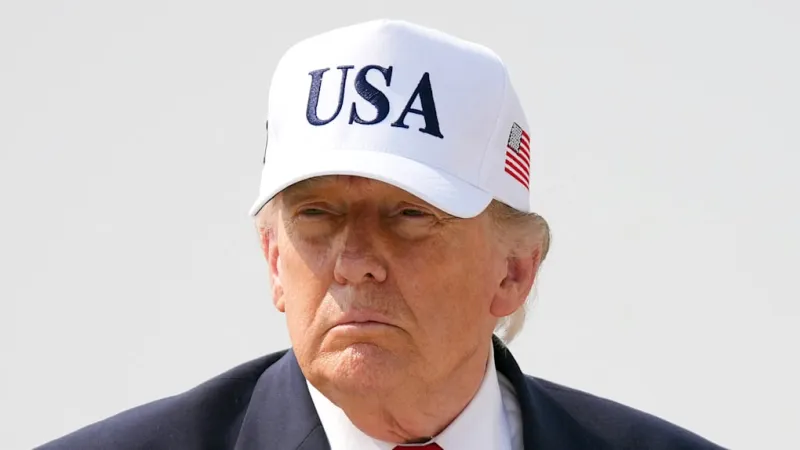
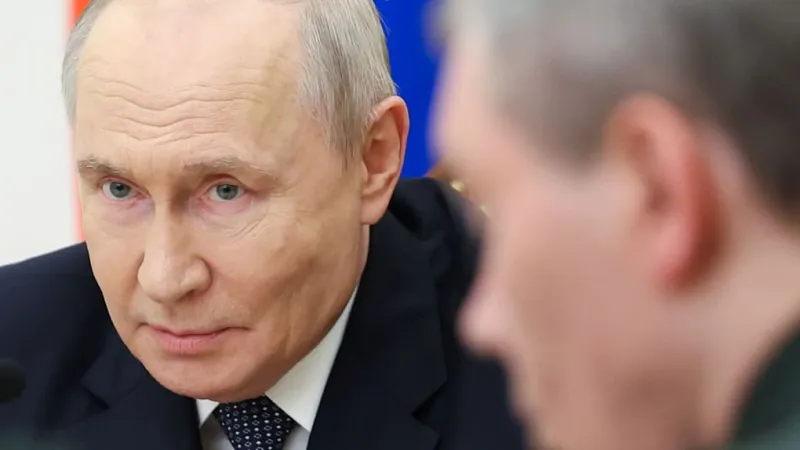
President Donald Trump sharply criticized Germany's NATO defense spending, labeling it "ridiculous" just days before a pivotal North Atlantic Treaty Organization summit. The unexpected remarks from the President intensified long-standing debates over burden-sharing within the alliance, even as Germany ranks as the second-largest financial contributor to NATO, trailing only the United States.
The President's comments, made public in the run-up to the high-stakes gathering, underscore a persistent point of contention in transatlantic relations. Trump has consistently advocated for European allies to meet or exceed the agreed-upon target of allocating at least 2% of their Gross Domestic Product (GDP) to defense, a benchmark many nations, including Germany, have historically struggled to achieve.
Germany, Europe's largest economy, has faced scrutiny for years regarding its defense outlays. While recent years have seen a significant increase in the Bundeswehr's budget and a clear commitment to reaching the 2% target, the pace and scale of these efforts remain a point of contention for critics, particularly in Washington.
Berlin officials, while not immediately issuing a direct rebuttal, often point to a broader definition of contribution beyond mere percentage of GDP. They cite significant financial contributions to NATO's common funds, participation in numerous alliance missions, and substantial economic aid to global security initiatives. These efforts, they argue, demonstrate a robust commitment to collective defense.
The timing of President Trump's remarks carries particular weight, preceding a summit intended to showcase unity and strategic alignment among member states. His direct challenge to a key ally risks overshadowing critical discussions on issues such as ongoing support for Ukraine, challenges posed by resurgent global adversaries, and the future strategic direction of the alliance.
This renewed criticism highlights the complex dynamics surrounding Germany's NATO spending. Despite its considerable economic might, Germany's defense posture has long been influenced by historical factors and a deeply rooted pacifist sentiment in portions of its populace, often leading to public debate surrounding military investments.
Analysts suggest President Trump's statements aim to exert maximum pressure on allies to accelerate their defense spending commitments. Such tactics have been a hallmark of his approach to international relations, often leading to immediate diplomatic ripples but also, at times, prompting increased outlays from reluctant partners.
Furthermore, the discussion around Germany's defense spending occurs against a backdrop of wider economic and political reforms within the country. Recent legislative efforts aimed at streamlining bureaucracy and spurring economic growth, such as those detailed in Germany Unveils Landmark Pact to Slash Bureaucracy, Spur Economic Growth, demonstrate Berlin's focus on national stability, which indirectly supports its capacity to contribute to defense.
The core of the dispute centers not only on the raw figures but also on the perception of commitment and burden equity. While Germany has made strides, its current expenditure still falls short of the 2% threshold, prompting allies like the United States to demand faster compliance given the escalating geopolitical threats facing the continent and the world.
As delegates prepare to converge for the summit, the remarks from President Trump set a challenging tone. European leaders will likely seek to navigate this tension, emphasizing collective strength while simultaneously addressing the validity of the United States' concerns regarding equitable burden-sharing within the vital transatlantic alliance. The outcome will largely define the immediate trajectory of NATO cooperation.