 Chandra Wijayanto
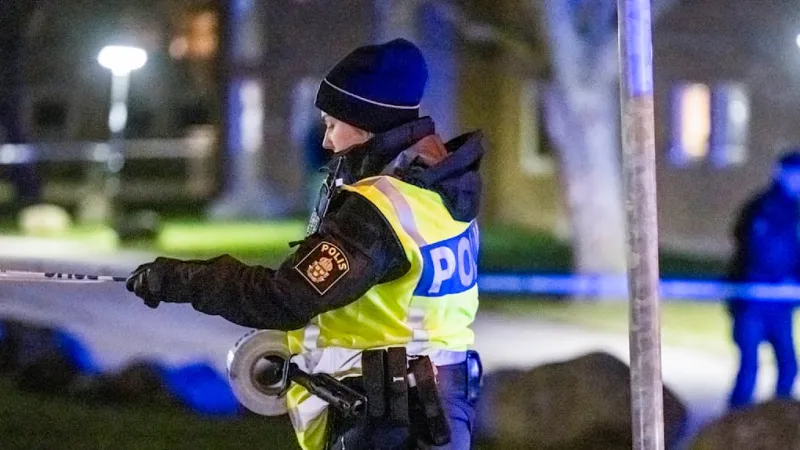
STOCKHOLM — Sweden faces an accelerating crisis as gang crime transforms into an entrenched societal threat, marked by increasingly younger perpetrators and sophisticated networks led by figures often operating from abroad. This decade-long struggle has pushed authorities to invest heavily in preventative measures aimed at safeguarding the nation's youth, even as the efficacy of these efforts against a rapidly expanding criminal underworld comes into question.
For years, the Scandinavian nation has grappled with a surge in deadly shootings and bombings, frequently linked to rival gang factions vying for control over illicit drug markets and territories. What began as localized conflicts has metastasized, permeating suburban communities and challenging the countrys reputation for social welfare and security.
A disturbing trend highlights the recruitment of minors, some as young as twelve, into these violent organizations. These vulnerable individuals are frequently exploited for carrying out high-risk tasks, including assassinations, largely due to reduced legal consequences they face compared to adult offenders.
Law enforcement agencies report significant hurdles in disrupting the hierarchical structures of these criminal enterprises. Many of the masterminds, or network leaders, orchestrate their operations remotely, often from safe havens in other European countries or beyond. This transnational dimension complicates investigative efforts and extradition processes.
The government has responded with a dual strategy. While intensifying police operations and toughening penalties, a substantial portion of national resources now targets early intervention and social programs. These initiatives aim to divert at-risk children and teenagers away from criminal recruitment through education, mentorship, and community engagement.
Youth outreach centers across cities like Malmo and Gothenburg have become front lines in this battle, offering structured activities, counseling, and educational support. The hope remains to provide viable alternatives and foster a sense of belonging that counters the allure of gang affiliation and illicit gains.
However, a growing sentiment among some officials and public safety experts suggests that the situation may be approaching a critical juncture. The metaphor of a snowball effect frequently surfaces in discussions, describing how the problem has grown in scale and complexity to a point where containing it appears increasingly formidable.
Critics argue that while prevention is vital, sustained and aggressive law enforcement action is equally necessary to dismantle existing gang structures. They contend that a focus solely on future generations, without adequately addressing current criminality, risks allowing the present crisis to further entrench itself.
The human cost of this escalating gang violence is profound. Families mourn lost loved ones, communities live under the shadow of fear, and public trust in institutions faces severe strain. Hospitals frequently treat victims of gun violence, stretching emergency services already under pressure.
The judiciary also faces unprecedented challenges. The volume and complexity of gang-related cases, coupled with issues of witness intimidation, have placed immense pressure on courts and prosecutors. Ensuring justice while protecting those who cooperate with authorities remains a delicate balance.
International cooperation has become a critical component of Sweden's strategy. Police forces are increasingly collaborating with European partners to track gang leaders operating across borders and to intercept illicit arms and drug flows financing these organizations.
Despite the significant investment and concerted efforts, the immediate future remains uncertain. The trajectory of Sweden's gang crime rate hinges on the effectiveness of both its long-term social interventions and its immediate law enforcement responses against a resilient and adaptable criminal element.
The national debate continues to weigh the balance between robust punitive measures and comprehensive social programs. The ultimate success in halting this criminal avalanche will likely depend on a sustained, multi-faceted approach that addresses both the symptoms and root causes of the widespread gang activity.