 Dodi Irawan
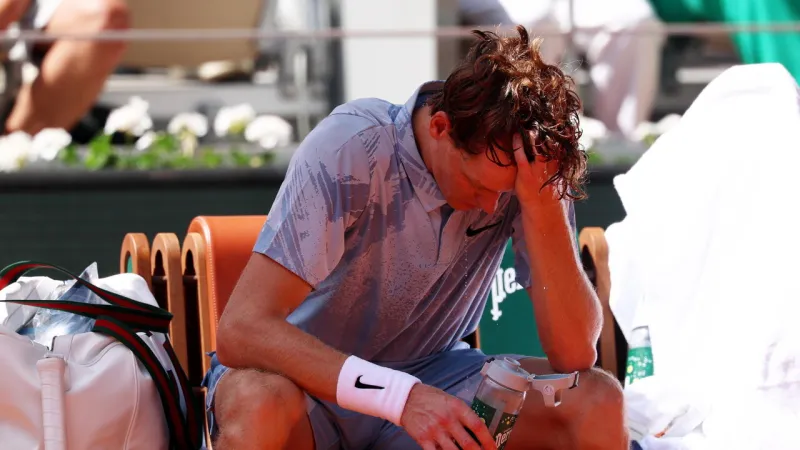
ROME – World number one tennis sensation Jannik Sinner recently shed light on the elusive health setback he experienced during the Paris Masters, confirming that while the underlying cause has been identified, the potential for recurrence remains a significant concern. The Italian ace articulated that his team is actively pursuing adaptive strategies to mitigate future risks, acknowledging the intricate nature of a definitive solution.
Speaking from a recent press conference, Sinner addressed the discomfort that led to his withdrawal from several key matches, including his semi-final at the Paris Masters. He revealed the medical team has pinpointed the specific factors contributing to the ailment, which had initially baffled observers and fans alike.
"We have understood what happened," Sinner stated, reflecting on the challenging period. He emphasized, however, that the problem is not a simple one to resolve permanently. "The solution is neither immediate nor simple," he added, indicating the ongoing complexity of his physiological management.
This admission signals a cautious approach to his demanding schedule and training regimen. Sinner's declaration that it "can recur" underscores the high-stakes environment top athletes navigate, where peak physical condition is paramount and even minor vulnerabilities can have significant impacts on performance.
In response to this persistent challenge, Sinner highlighted his team's proactive stance. "We are ready to change course," he affirmed, suggesting a willingness to adapt training methods, nutritional plans, or even tournament participation to safeguard his long-term health and career longevity. This flexible approach is crucial for sustained success at the elite level.
The world number one ranking, which Sinner recently secured, brings immense pressure and scrutiny. Managing health concerns effectively becomes an even more critical component of maintaining his dominant position. Fans eagerly watch his every move, especially after his recent strong performances, such as his victory over Borges to secure a Wimbledon third round berth.
Elite tennis players routinely push their bodies to the absolute limit, making them susceptible to a range of injuries and health issues. Sinner's transparency offers a rare glimpse into the behind-the-scenes battles faced by athletes, beyond the visible triumphs and defeats on court.
While Sinner did not elaborate on the specific nature of the malady, his comments resonate with similar experiences faced by other top players who have battled chronic or recurring conditions, sometimes leading to extended periods away from the sport. The careful management required is a testament to modern sports medicine.
The potential need to "change course" implies a fundamental reassessment of his preparation. This could involve prioritizing recovery, optimizing strength and conditioning to prevent specific stress points, or even modifying his playing style to reduce physical strain where possible.
Supporters worldwide will undoubtedly be following Sinner's progress closely. His candor about a potentially recurring issue, rather than presenting a fully resolved problem, fosters a realistic expectation among fans and media regarding his future physical state and competitive calendar.
As Sinner continues to assert his dominance on the ATP tour, his management of this persistent health concern will be as pivotal to his legacy as his on-court prowess. The upcoming tournaments will provide further insight into how effectively he and his team navigate this complex challenge.