 Dodi Irawan
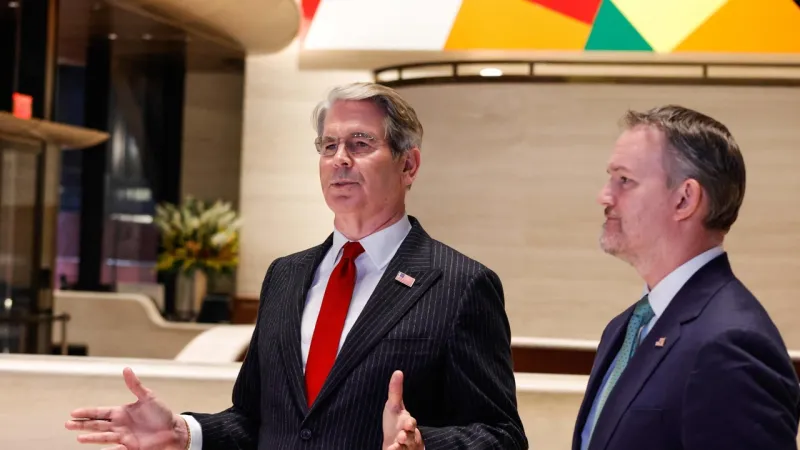
WASHINGTON – Recent diplomatic engagements between the United States and China concerning Artificial Intelligence have concluded on a positive note, with both sides characterizing the discussions as productive. Bessent, the lead US negotiator, affirmed the talks as a success, while Beijing's international trade negotiator, Li Chenggang, lauded the proceedings for maintaining a “good atmosphere.” The high-level dialogue underscores a mutual recognition of AI's burgeoning global impact and the necessity for international cooperation.
The meetings, held against a backdrop of complex geopolitical relations, focused on areas of potential collaboration and understanding regarding the rapid advancement of Artificial Intelligence technologies. While specific outcomes and agreements remain under wraps, the expressed satisfaction from both principal negotiators suggests a constructive path forward in a domain critical to future economic and national security landscapes.
Bessent conveyed optimism about future interactions, stating, “we will meet again on AI,” indicating a commitment to continued engagement. This commitment is particularly significant given the strategic competition between the two global powers across various technological fronts, including semiconductors and quantum computing.
Li Chenggang's assessment of a “good atmosphere” further highlights the willingness of both nations to maintain open lines of communication on sensitive technological subjects. Such an environment is crucial for de-escalating potential friction and establishing norms in the rapidly evolving field of AI.
Experts suggest that establishing a framework for dialogue on Artificial Intelligence could pave the way for discussions on critical issues such as AI ethics, safety protocols, and the potential for autonomous weapons systems. The shared understanding of AI's transformative power necessitates a proactive approach to governance.
President Donald Trump's administration has consistently prioritized national security interests in technological development, while also seeking avenues for pragmatic engagement with China where common ground can be found. These AI talks align with that balanced foreign policy approach.
The discussions come at a time when Artificial Intelligence is increasingly integrated into every facet of global society, from economic productivity to defense capabilities. The lack of a unified international regulatory body makes bilateral dialogues between leading AI developers paramount.
While the commercial aspects of AI were likely on the agenda, the emphasis on future meetings suggests a broader scope, potentially encompassing research collaboration, data sharing principles, and managing the societal implications of advanced AI.
Past interactions between Washington and Beijing have often been fraught with tension over trade imbalances and intellectual property rights. However, the reported cordiality of these AI discussions may signal a more nuanced approach to technological diplomacy.
Both nations stand to benefit from mutual understanding and cooperation in preventing unintended consequences of AI development. Misunderstandings in such a powerful and rapidly advancing field could have far-reaching and destabilizing effects globally.
The road ahead for US-China AI cooperation will undoubtedly be challenging, marked by differing national interests and technological philosophies. However, the initial success of these talks provides a crucial foundation for continued dialogue and the potential for a more stable future in Artificial Intelligence governance.
Observers will closely monitor subsequent meetings for concrete proposals or joint initiatives, particularly as the global community grapples with the profound ethical and practical dilemmas posed by advanced Artificial Intelligence.