 Angela Stefani
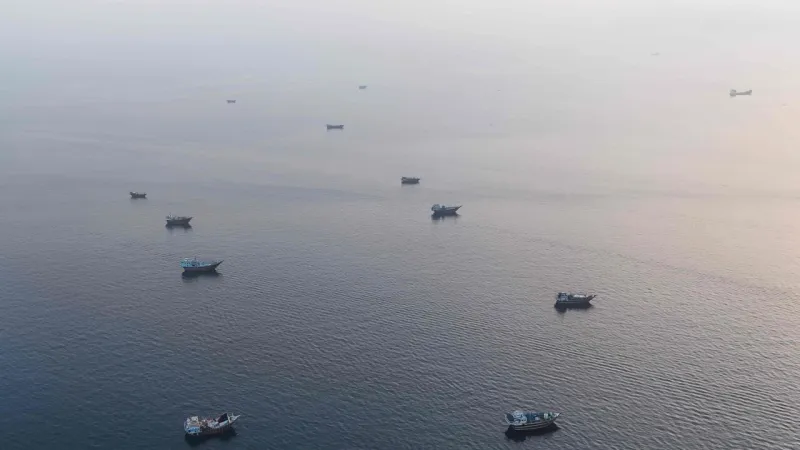
Strait of Hormuz — Iran has launched a series of attacks on commercial shipping in the vital Strait of Hormuz, striking three vessels, including Qatari and Saudi-flagged ships, prompting immediate and decisive retaliatory strikes by the United States against targets within Iran. The aggressive actions have dramatically escalated regional tensions and triggered a heightened alert from the United Kingdom Maritime Trade Operations (UKMTO) for all vessels traversing the critical waterway.
The precise nature of the Iranian attacks remains under investigation, though initial reports indicate a combination of missile and drone assaults. Maritime security analysts are scrutinizing satellite imagery and vessel transponders to confirm the extent of the damage and the exact methods employed by Iranian forces. This marks a significant and dangerous intensification of hostilities in a region already fraught with geopolitical instability.
President Donald Trump authorized the retaliatory strikes, which targeted military infrastructure within Iran implicated in the shipping attacks. A statement from the White House confirmed the US commitment to safeguarding freedom of navigation and protecting its allies in the Middle East. President Trump reiterated that any aggression against international shipping or US interests would be met with overwhelming force.
The Strait of Hormuz, a narrow chokepoint connecting the Persian Gulf to the open ocean, is globally recognized as a strategic waterway through which a significant portion of the world's oil supply passes daily. Disruptions in this vital artery invariably send ripple effects across global energy markets, highlighting the immense stakes involved in the current escalation.
Following the attacks, the UKMTO issued an urgent advisory, elevating the threat level for all commercial vessels operating in and around the Strait of Hormuz. Shipowners and operators have been instructed to exercise extreme caution, enhance security protocols, and report any suspicious activity immediately to naval authorities. This increased vigilance underscores the palpable danger to international maritime trade.
International reactions to the Iranian aggression have been swift and largely condemnatory. Numerous nations, including the United Kingdom, France, and Germany, have called for de-escalation and urged all parties to exercise restraint. The United Nations Security Council is expected to convene an emergency session to address the unfolding crisis and its implications for global peace and security.
This latest episode is not an isolated incident but rather part of a recurring pattern of Iranian assertiveness in the Gulf, often met with robust responses from the United States and its allies. Past incidents involving tanker attacks and drone interceptions have periodically brought the region to the brink of wider conflict. For further context on past US responses, readers can explore our article: Hormuz Ship Attacks Trigger US Sanctions on Iranian Oil.
The involvement of Qatari and Saudi vessels among those targeted adds another layer of complexity to the situation. Both nations are key partners in the region, and attacks on their shipping interests are likely to further solidify the unified stance against Iranian aggression. The selection of these particular vessels may signal a broader message from Tehran.
The strikes occur against a backdrop of ongoing regional power struggles, including proxy conflicts and intricate diplomatic maneuvers. Analysts suggest that Iran may be seeking to project strength and test the resolve of the international community, particularly the Trump administration, ahead of potential negotiations or renewed sanctions discussions.
Energy markets reacted immediately, with crude oil futures experiencing a sharp uptick amidst fears of supply disruptions. Shipping insurance premiums for vessels transiting the Strait of Hormuz are also expected to surge, increasing operational costs for maritime companies and potentially affecting consumer prices globally.
Diplomatic channels are reportedly active behind the scenes, though public statements emphasize a firm stance against Iranian belligerence. The immediate focus remains on de-escalating the military confrontation while simultaneously addressing the underlying causes of instability in the Gulf. The international community is bracing for a tense period as the situation develops.