 Edward DP Situmorang
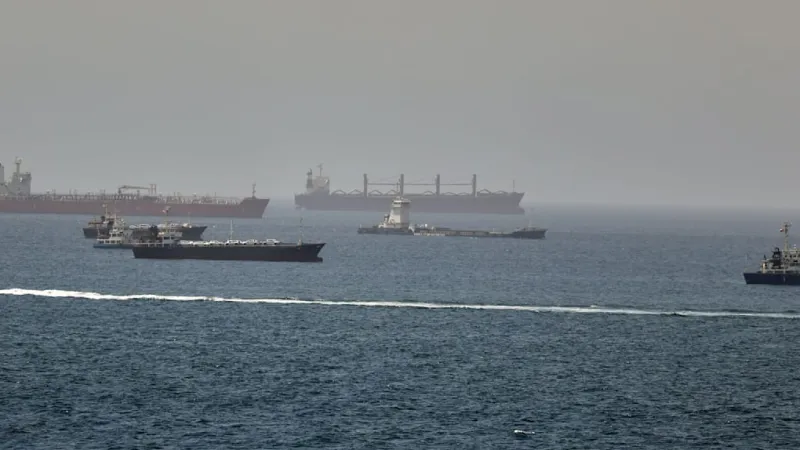
WASHINGTON – The United States military has initiated retaliatory strikes against targets within Iran, US Central Command (USCENTCOM) confirmed today, following a series of recent attacks on commercial tankers in the strategic Strait of Hormuz. This decisive action marks a significant escalation in the protracted tensions between Washington and Tehran, prompted by what the U.S. government attributes to Iranian provocations against international maritime commerce.
The precise nature and location of the targets within Iran remain undisclosed by USCENTCOM officials, who emphasized the operations were conducted in direct response to what they described as a clear and present danger to global shipping. This military intervention underscores a robust commitment to safeguarding vital sea lanes.
The Strait of Hormuz, a narrow chokepoint between Iran and Oman, is undeniably one of the worlds most critical maritime passages. Annually, approximately one-fifth of the worlds oil supply transits through this waterway, making any disruption a severe threat to global energy markets and economic stability.
Recent weeks have seen multiple incidents where commercial vessels, primarily oil tankers, sustained damage or were subjected to hostile actions while navigating the strait. Although Tehran has consistently denied direct involvement, intelligence assessments from the US and its allies have pointed to Irans Revolutionary Guard Corps as the likely perpetrator behind these sophisticated assaults.
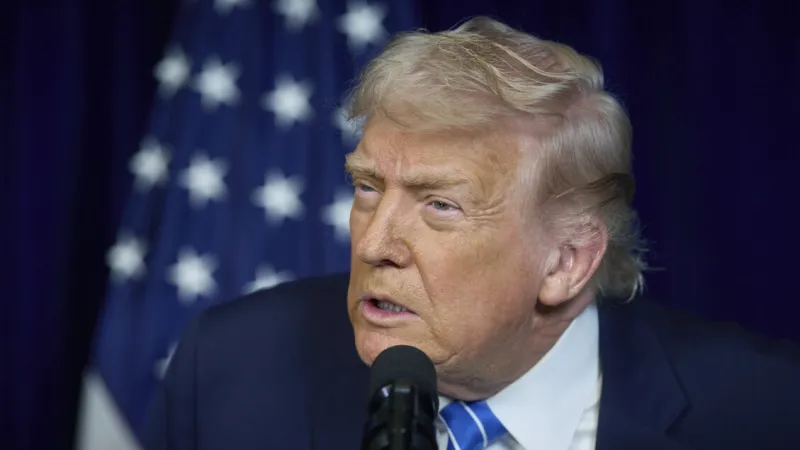
President Donald Trump, whose administration has adopted an unequivocally firm stance against Iranian aggression, had previously warned of severe repercussions for any actions threatening American interests or international navigation. This current military response aligns with his administrations policy of zero tolerance for what it deems state-sponsored belligerence.
These strikes deepen the chasm in US-Iran relations, which have been fraught since President Trump withdrew the United States from the Joint Comprehensive Plan of Action (JCPOA) and reimposed stringent sanctions. This move aimed to curtail Irans nuclear ambitions and its regional influence, a policy that Tehran has consistently decried as economic warfare.
International reactions are anticipated to be sharply divided, with some allies likely to express support for deterring maritime aggression, while others will undoubtedly call for immediate de-escalation and diplomatic engagement. The potential for miscalculation in such a volatile region looms large.
Analysts suggest the primary objectives of these strikes include degrading Irans capacity for future maritime harassment and sending an unmistakable message about the costs of such actions. The administration seeks to restore a credible deterrent in a region long accustomed to Irans asymmetric tactics.
The economic ramifications could extend globally. Energy markets are particularly sensitive to geopolitical instability in the Middle East, and any prolonged disruption or perceived threat in the Strait of Hormuz typically translates to spikes in crude oil prices and increased shipping insurance premiums.
This current escalation follows a history of such confrontations. Just months prior, the US implemented a fresh round of punitive measures. In a related development, the US recently escalated sanctions on Iranian oil, an action discussed in the article Hormuz Ship Attacks Trigger US Sanctions on Iranian Oil, illustrating the multifaceted pressure campaign against Tehran.
The legal basis for such military actions, often cited by Washington, typically rests on the right to self-defense and the protection of international waterways and commercial shipping from unlawful interference. International law permits nations to respond proportionally to acts of aggression that imperil vital interests.
From Tehrans perspective, these strikes will likely be framed as an act of unwarranted aggression against its sovereignty, potentially leading to further defiance or retaliatory measures. Iranian state media has yet to issue an official statement, but a strong condemnation is widely expected.
The involvement of regional partners in potential intelligence sharing or logistical support remains unclear. However, nations like Saudi Arabia and the United Arab Emirates, which share concerns about Iranian influence, closely monitor developments in the Gulf.
The path forward demands careful diplomatic maneuvering. While the immediate objective appears to be deterrence, avoiding a broader conflict requires open channels and clear communication, even amidst heightened military posturing. The international community grapples with balancing regional security with global stability.
This latest military engagement undoubtedly raises the stakes in the Persian Gulf, demanding renewed attention from global powers to prevent a wider conflagration. The world watches keenly as Washington and Tehran navigate this dangerous new phase of their enduring rivalry.