Angela Stefani
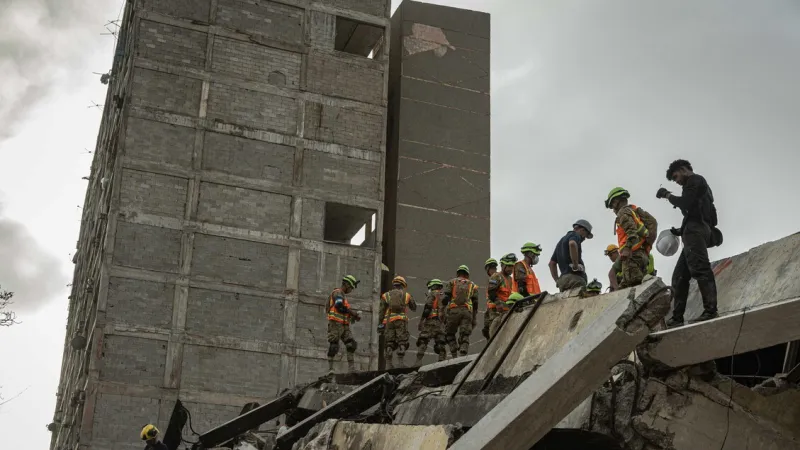
A remarkable tale of survival emerged from La Guaira, Venezuela, where a twelve-year-old boy was miraculously extracted alive from the colossal rubble five days after a powerful earthquake devastated the coastal region. The dramatic rescue, against increasingly grim odds, has offered a beacon of hope amidst the widespread destruction and the tireless efforts of emergency teams.
The extraordinary discovery, made by persistent search and rescue crews, signifies a rare triumph in disaster recovery operations, where the window for finding survivors dwindles rapidly after the initial 72 hours. Details regarding the boy's identity and his immediate medical condition remain scarce, but his survival is being hailed as a profound testament to human resilience.
The United Nations has voiced grave alarm regarding the scale of devastation in La Guaira, the epicenter of the immediate crisis. Early assessments indicate that over one million tons of detritus now choke the region, posing immense challenges to recovery efforts and significantly hindering access to affected areas.
In a stark assessment, the UN High Commissioner for Refugees (UNHCR) delivered a somber report from the ground, declaring that “everything is lacking here” and noting that access to essential humanitarian aid was severely limited. This critical assessment underscores the desperate conditions faced by tens of thousands displaced or impacted by the Venezuela earthquake.
The earthquake, which struck with unexpected ferocity, left a trail of collapsed buildings, shattered infrastructure, and widespread panic across the coastal state. While the precise death toll is still being compiled, local authorities anticipate a significant rise as rescue operations continue to uncover more victims.
Immediate efforts by local emergency services were quickly overwhelmed by the sheer magnitude of the disaster. International aid organizations and rescue teams are mobilizing, though logistical hurdles, including damaged roads and communication breakdowns, impede their swift deployment and the distribution of vital supplies.
Families across La Guaira now grapple with the loss of homes, livelihoods, and, for many, loved ones. The psychological toll of the Venezuela earthquake is profound, with survivors facing uncertain futures devoid of basic necessities like shelter, clean water, and food.
The mountainous piles of debris not only slow rescue efforts but also pose a significant public health risk. The lack of sanitation, coupled with potential contamination, raises fears of disease outbreaks in the coming days and weeks, further complicating the humanitarian response.
This crisis adds another layer of complexity to Venezuela's already precarious socioeconomic landscape. The long-term recovery and reconstruction of La Guaira will require substantial international assistance and a concerted national effort, stretching resources thin in a nation already facing considerable internal challenges.
The international community, including various aid agencies, faces the formidable task of coordinating an effective response. Ensuring that aid reaches those most in need, bypassing logistical and bureaucratic obstacles, is paramount. The situation echoes concerns raised in other global humanitarian emergencies, such as the devastation detailed in accounts from the Gaza catastrophe, where cities have been razed and populations endure amidst dire conditions.
The miraculous rescue of the twelve-year-old serves as a poignant reminder that even in the darkest moments of disaster, hope can endure. It galvanizes the spirit of rescuers and provides a much-needed emotional boost for a community reeling from an unimaginable tragedy.
As the search for survivors continues, and the scale of human suffering becomes clearer, the world watches to see how Venezuela and its international partners will respond to this devastating natural catastrophe. The path to recovery for La Guaira will be arduous, but the boy's survival offers a powerful symbol of resilience against overwhelming odds.