 Robert Andrison
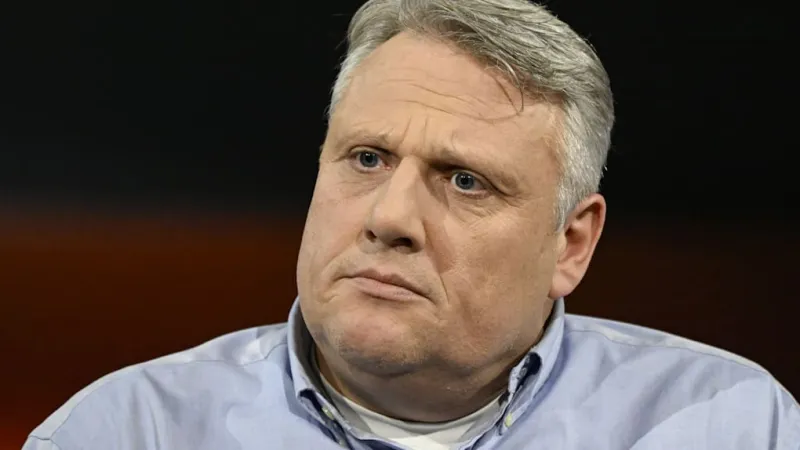
MAGDEBURG – Michael Kyrath, whose daughter tragically died in a migrant-involved violent crime in Brokstedt, has triggered a significant policy shift within the Saxony-Anhalt Office for the Protection of the Constitution, known as Verfassungsschutz. Following his widely publicized critique on social media platform X, the German security agency announced it would re-evaluate a contentious passage in its annual report concerning such incidents.
The profound impact of Kyrath's direct challenge underscores growing public demand for governmental accountability and sensitivity in discussing crimes linked to immigration. His forceful intervention serves as a poignant reminder of the personal toll behind official statistics and bureaucratic language.
The initial controversy stemmed from a specific section within the Saxony-Anhalt Verfassungsschutz report. This passage, according to Kyrath, downplayed or mischaracterized the nature of violent crimes committed by migrants, particularly in cases with significant public resonance like the Brokstedt tragedy.
Kyrath's daughter was among the victims of a brutal knife attack on a regional train in Brokstedt, Schleswig-Holstein. This horrific incident, perpetrated by a stateless man of Palestinian origin, sent shockwaves across Germany and reignited intense debates about public safety and integration policies.
Fueled by grief and a sense of injustice, Kyrath took to X to express his outrage. His post, which quickly gained considerable traction, articulated a father's pain and his frustration with what he perceived as an insufficient or dismissive portrayal of such grave events by a state security apparatus.
His social media message resonated with thousands, amplifying calls for greater transparency and a more forthright approach from authorities when addressing sensitive issues. The rapid dissemination of his critique put immediate pressure on the Saxony-Anhalt Verfassungsschutz to respond.
The Verfassungsschutz, responsible for internal security intelligence in Germany, typically publishes annual reports detailing threats to democratic order. These reports often contain analyses of extremist groups, foreign intelligence activities, and, at times, broader societal challenges including crime.
In response to Kyrath's widely noted post, the agency officially acknowledged the criticism and announced an internal review of the specific language used in its report. This prompt reaction signals a recognition of the public's sentiment and the gravity of the father's allegations.
The agency's decision to reconsider the wording is not merely a semantic adjustment; it reflects a broader institutional challenge in navigating public perception and maintaining credibility while fulfilling its mandate. The debate surrounding migrant-involved crime reports is a sensitive area within German political discourse.
Observers note that the agency's swift reversal exemplifies the increasing power of individual voices, especially when amplified through social media, to influence governmental bodies and their official communications. Similar public outcries have occasionally forced re-evaluations of policy or statements, as seen with international reactions to migrant rescue laws in Italy.
This incident highlights a delicate balance between factual reporting and the emotional impact of such content on affected communities. For victims' families, the manner in which their loss is acknowledged and categorized by state institutions carries immense weight.
The outcome of the Verfassungsschutz review will be closely watched. Any revisions to the report could set a precedent for how German security agencies address and communicate about crimes involving specific demographics, particularly migrants, in future public documents.
The controversy also opens renewed discussions about the agency's role in public discourse and its responsibility to present information in a way that is both accurate and sensitive to the victims and their families. This incident reinforces the notion that even highly formal state reports are subject to public scrutiny and potential amendment under pressure.
Michael Kyrath's determined stand has, therefore, not only initiated a specific change within the Saxony-Anhalt Verfassungsschutz but also contributed to a larger national conversation about official transparency, public sentiment, and the enduring impact of violent crime on those left behind.