 Chandra Wijayanto
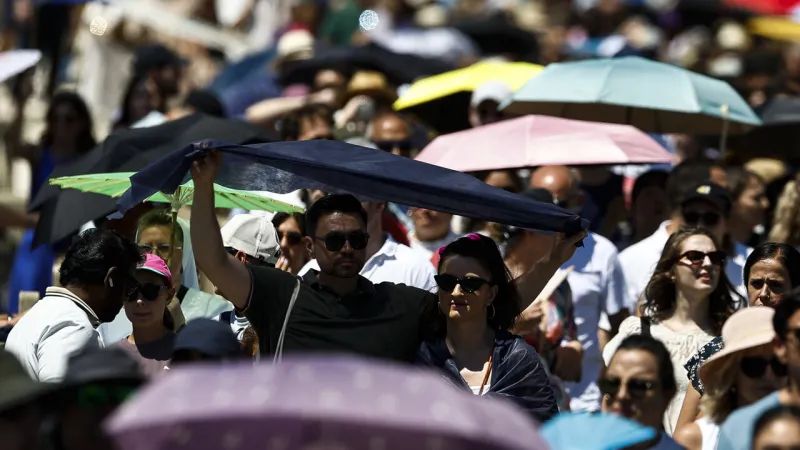
ROME, Italy is preparing for an intense, prolonged heatwave expected to grip the nation for two weeks, with forecasts predicting temperatures to peak at 43 degrees Celsius. Authorities across various Italian cities have initiated high-level alerts, warning residents and tourists about the severe health risks associated with the scorching conditions anticipated to persist above average throughout the entire summer of 2026.
The impending weather phenomenon poses significant challenges to public health and infrastructure. Vulnerable populations, including the elderly, young children, and individuals with pre-existing medical conditions, are particularly susceptible to heat-related illnesses, prompting health ministries to issue specific guidelines for prevention and care.
Red alerts, indicating the highest level of risk, are expected to be declared in several major urban centers. These declarations trigger emergency response protocols, increased hospital preparedness, and public awareness campaigns aimed at mitigating the effects of extreme heat on daily life.
Meteorological models indicate that the sustained period of elevated temperatures will be driven by an anticyclone system. This atmospheric pattern is projected to stabilize over the Mediterranean basin, channeling hot air from North Africa across the Italian peninsula, leading to the exceptionally high mercury readings.
While summer heat is a recurrent feature of the Mediterranean climate, the frequency and intensity of such prolonged heatwaves have become a growing concern for climatologists. This event aligns with broader trends observed globally, where extreme weather patterns are becoming more prevalent.
The Civil Protection Department, in coordination with local municipalities, has activated emergency plans. These measures include establishing cooling centers, increasing patrols to check on vulnerable individuals, and disseminating critical information through various media channels to ensure public safety.
Citizens are strongly advised to limit outdoor activities during the hottest hours of the day, typically between 11 AM and 6 PM. Staying hydrated by consuming ample water, wearing light clothing, and seeking shaded or air-conditioned environments are paramount recommendations to avoid heatstroke and dehydration.
Beyond health concerns, the heatwave is also anticipated to affect various sectors. Agricultural yields could suffer, energy demand for cooling systems is expected to surge, potentially straining power grids, and tourism may see temporary shifts as visitors adjust plans to cope with the sweltering conditions.
This severe forecast echoes warnings previously issued, underscoring the ongoing challenge of managing environmental extremes. Indeed, Italy has been bracing for extreme heat for some time, with red alerts already issued for major cities in previous periods.
Experts predict that temperatures will remain above seasonal averages for the duration of the 2026 summer. This extended period of warmth could exacerbate drought conditions in certain regions, further complicating water management and agricultural production.
As the country prepares for this prolonged period of intense heat, the focus remains on preventative measures and community resilience. Italian authorities continue to monitor the situation closely, ready to adapt strategies as the weather patterns evolve over the coming weeks.