 Angela Stefani
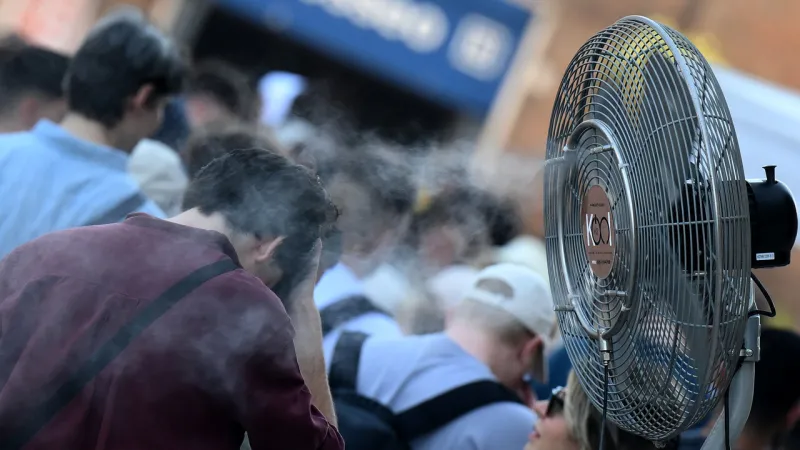
Florence and Perugia find themselves under a critical red alert as Italy prepares for a severe heatwave expected to persist at least through Sunday. Health authorities issued the highest level of warning, signaling significant risks for the entire population, not just vulnerable groups. This severe weather event escalates across the peninsula, with four additional urban centers facing orange alerts on Saturday and six on Sunday, while a majority of Italian cities remain under pre-alert status.
The declaration of a red alert for Florence and Perugia underscores the anticipated intensity of the extreme heat. This designation from the Ministry of Health indicates emergency conditions where high temperatures are projected to last for at least three consecutive days, posing a serious threat to public well-being, especially for the elderly, children, and individuals with pre-existing health conditions.
Beyond these two central Italian cities, the heatwave extends its grip. On Saturday, four urban areas transition to an orange alert level, indicating high risk primarily for vulnerable populations. This category warns of temperatures that could significantly impact health if precautions are not taken, urging particular vigilance for sensitive demographics.
By Sunday, the number of cities under an orange alert rises to six, reflecting the sustained and spreading nature of the heat across the country. These escalating warnings highlight the necessity for comprehensive public awareness and preparedness measures to mitigate potential heat-related illnesses and fatalities.
Further demonstrating the pervasive nature of the impending conditions, a pre-alert status now covers the majority of Italian municipalities. This foundational warning encourages citizens nationwide to remain informed about local forecasts and to adopt general heat safety practices, even if their specific area has not yet reached higher alert thresholds.
Meteorological forecasts indicate a stable high-pressure system, commonly referred to as a heat dome, is responsible for trapping warm air over the Mediterranean basin. This atmospheric phenomenon prevents the dissipation of heat, leading to prolonged periods of elevated temperatures and stagnant conditions that exacerbate the perceived heat index.
Public health officials urge residents to take proactive measures. Recommendations include staying hydrated by drinking plenty of water, avoiding direct sun exposure during peak hours, and wearing lightweight, light-colored clothing. Citizens should also seek cooler environments, such as air-conditioned public spaces, and limit strenuous physical activity.
The elderly and very young children represent particularly susceptible groups during an extreme heat event. Caregivers are advised to regularly check on these individuals, ensuring they have access to fluids and a cool environment. Symptoms of heat exhaustion or heatstroke, such as dizziness, nausea, confusion, and rapid pulse, require immediate medical attention.
The current situation in Italy mirrors a broader trend of escalating extreme weather events observed across Southern Europe. Neighboring regions have also experienced intense heatwaves, leading to significant challenges. For instance, reports from the Andalusia Inferno: Twelve Dead As Wildfire Rages Amid Spain Heat Alert earlier this year highlighted the devastating consequences of such conditions, including wildfires and tragic loss of life, underscoring the severe risks associated with prolonged high temperatures.
Authorities are deploying resources to support affected communities, including opening cooling centers and disseminating information through various media channels. Emergency services remain on heightened alert to respond swiftly to heat-related incidents, emphasizing prevention as the primary defense.
Beyond immediate health concerns, prolonged extreme heat can place considerable strain on infrastructure, including power grids struggling with increased demand for air conditioning. Agricultural sectors also face significant challenges, with potential impacts on crop yields and livestock, contributing to economic ripple effects.
While Italy possesses advanced healthcare infrastructure, particularly in its northern regions, the enduring regional disparities, as detailed in reports like Italy's Healthcare Advances, Yet North-South Disparity Endures, suggest potential variations in preparedness and access to resources for managing widespread public health crises like a national heatwave. This disparity could complicate the response in some areas.
Residents and tourists are advised to monitor official communications from civil protection agencies and local municipalities for the latest updates and specific guidance pertaining to their areas. The vigilance of individuals plays a crucial role in mitigating the broader impact of this significant weather phenomenon.