 Demian Sahputra
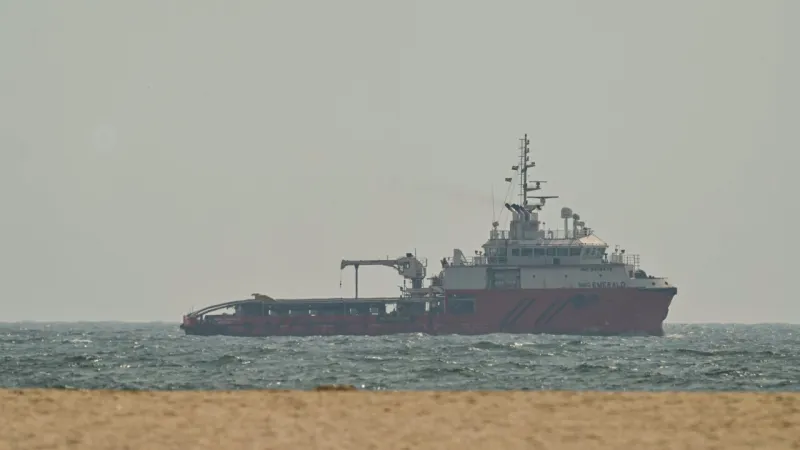
Escalating regional tensions to a perilous new level, Iran has reportedly threatened to close the strategic Strait of Hormuz and engaged in aggressive actions against commercial vessels. These moves have triggered widespread missile alerts and explosions across the Persian Gulf, impacting the United Arab Emirates, Bahrain, and Qatar, while prompting fresh United States military raids. Unconfirmed intelligence further suggests the deployment of Iranian missiles within Jordan, deepening concerns over regional stability and global energy security in 2026.
The audacious threats emanating from Tehran to interdict shipping through the Strait of Hormuz, a vital chokepoint for a significant portion of the world's oil supply, mark a direct challenge to international maritime law. Reports indicate that Iranian forces have already initiated actions against unnamed ships, although the specific nature and extent of these strikes remain under investigation by international observers. This perceived escalation mirrors previous instances where Iran has used the strait as leverage in geopolitical disputes.
The immediate repercussions were felt across the Gulf Cooperation Council states. Authorities in the United Arab Emirates confirmed missile interceptions and localized explosions following alleged Iranian missile attacks. Similarly, both Bahrain and Qatar issued high-level emergency alerts, advising residents and maritime traffic to exercise extreme caution as sirens blared in various locations. These incidents have put regional defense systems on maximum readiness, a response to a rapidly deteriorating security environment.
Further compounding the volatile situation are unverified intelligence reports suggesting the presence of Iranian ballistic missiles within Jordanian territory. If confirmed, such a deployment would represent a significant expansion of Iran's military reach and a direct threat to neighboring nations, potentially altering the strategic calculus for all regional actors. Official statements from Amman have yet to confirm or deny these reports, maintaining a cautious silence.
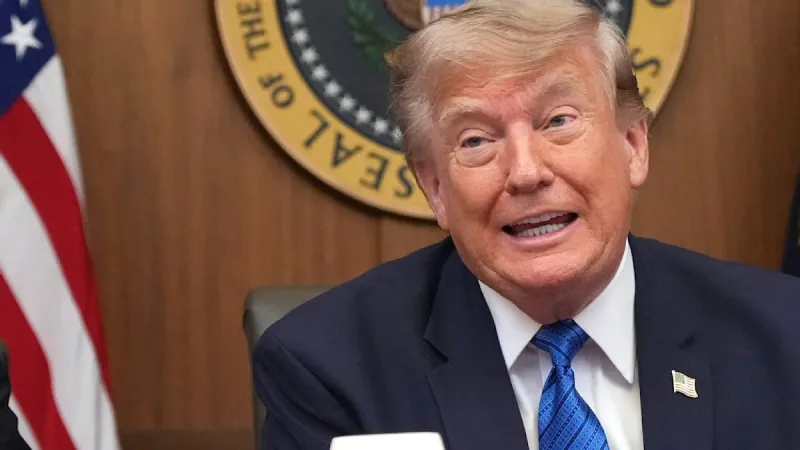
In response to Iran's aggressive posture, the United States has launched new military operations in the region. While details of these raids remain classified, sources indicate they target Iranian military assets and infrastructure implicated in recent escalations. President Donald Trump, known for his firm stance on national security, has reiterated his administration's commitment to protecting American interests and allies in the Middle East, signaling robust countermeasures to Tehran's provocations.
The Strait of Hormuz is globally recognized as the world's most critical oil transit chokepoint. Situated between Iran and Oman, it connects the Persian Gulf to the open ocean, with an estimated 21 percent of global petroleum liquids consumption passing through its narrow waters daily. Any sustained disruption to this passage would have catastrophic implications for international energy markets, triggering a global economic crisis.
Tensions between Iran and the United States, along with its Gulf allies, have simmered for decades, punctuated by periods of acute crisis. Previous administrations have grappled with Iran's nuclear program, its regional proxy networks, and its confrontational naval maneuvers. The current escalation, however, appears particularly acute, given the direct threats to shipping and the reported missile deployments.
Regional analysts view Iran's latest actions as a calculated risk, potentially aimed at extracting concessions or demonstrating resolve against international pressures. Leaders across the Middle East have condemned Iran's behavior, calling for de-escalation while simultaneously bolstering their own defense readiness. This mirrors previous strong rhetoric, such as when Supreme Leader Ayatollah Ali Khamenei vowed revenge against adversaries, as noted in the article Khamenei Vows Revenge: Meloni Joins Trump, Netanyahu on Iran Blacklist.
Global oil prices have already reacted sharply to the news, showing significant volatility. Analysts from major financial institutions warn that a prolonged closure of the Strait of Hormuz could send crude prices soaring, impacting consumers worldwide and potentially tipping fragile economies into recession. Shipping insurance premiums for vessels traversing the Gulf have also seen an immediate spike, reflecting the heightened risk.
Despite the military maneuvers and heightened rhetoric, behind-the-scenes diplomatic channels are reportedly attempting to avert a full-scale conflict. International bodies, including the United Nations, have urged all parties to exercise restraint and engage in dialogue. However, the current level of mistrust and the direct nature of the provocations make a swift de-escalation challenging.
President Trump's administration has consistently pursued a policy of maximum pressure against Iran, characterized by stringent sanctions and a readiness for military response to perceived threats. This strategy aims to curb Iran's nuclear ambitions, its ballistic missile program, and its destabilizing regional influence. The current crisis will undoubtedly test the limits of this approach.
The unfolding situation presents a deeply concerning outlook for the Middle East and the international community. With vital maritime routes under threat, missile alerts sounding in major regional cities, and a powerful US military presence actively engaged, the possibility of a wider conflict remains a palpable and immediate danger. The coming days will be crucial in determining whether diplomacy or further confrontation prevails.