 Dorry Archiles
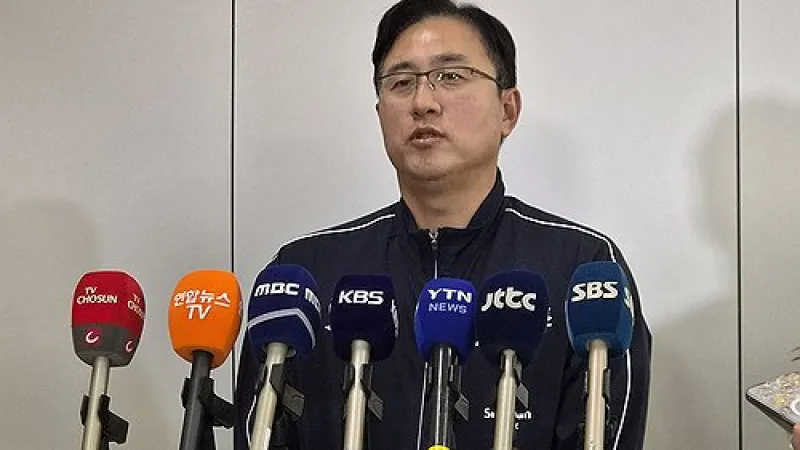
SEOUL – National baseball team manager Choi Won-ho publicly apologized Monday, November 16, for his squad's disappointing performance and significant losses against archrival Japan in a recent regional tournament. The candid admission from the head coach comes amidst mounting criticism from fans and media following the team's early exit and failure to secure a medal.
Choi Won-ho addressed reporters at a somber press conference held at the Korea Baseball Organization headquarters, expressing deep regret for the team's showing. He stated, “I take full responsibility for our team's inadequate preparation and execution. The results against Japan were unacceptable, and I sincerely apologize to the fans who supported us with such passion.”
The national baseball team faced two decisive defeats against Japan during the tournament, critical matchups that ultimately sealed their fate. These losses were particularly painful, considering the fierce historical rivalry between the two baseball powerhouses and the heightened expectations placed upon the Korean contingent.
The tournament, held in a neighboring Asian nation, saw Korea struggle to find its offensive rhythm and maintain defensive consistency against formidable opponents. The losses to Japan were not only a setback in the standings but also a significant blow to national pride, where baseball holds immense cultural importance.
This outcome has led to widespread disappointment among Korean baseball enthusiasts, many of whom voiced their frustrations across social media platforms and sports forums. Critics highlighted tactical shortcomings, player selection issues, and a perceived lack of competitive fire during crucial moments of the games.
Choi Won-ho, who assumed the managerial role with high hopes, now faces intense scrutiny regarding his leadership and future at the helm of the national squad. His apology, while a necessary step, may not be enough to quell the calls for a comprehensive review of the team's structure and performance strategy.
The rivalry with Japan transcends mere sport; it is often viewed as a proxy for national strength and prowess. Past victories against Japan have been celebrated as iconic moments in Korean sports history, while defeats, especially in high-stakes tournaments, resonate deeply within the public consciousness.
Following the tournament, questions have arisen about the pipeline of talent and the readiness of players from the domestic league to compete on the international stage. The Korean Series Heroes Ignite KBO Free Agency Frenzy article highlights the dynamic talent within the KBO, yet translating this domestic success to international victories remains a persistent challenge.
Observers suggest that the KBO and the national team management must undertake a thorough evaluation of training methodologies, scouting networks, and player conditioning programs. The aim is to cultivate a robust and resilient team capable of competing at the highest international levels consistently.
While the immediate focus remains on the current apology and its implications, the long-term health of Korean baseball, particularly its standing in regional and global tournaments, is now a prominent topic of discussion among sports administrators and pundits alike.
Choi Won-ho concluded his statement by pledging to learn from the experience and work tirelessly to rebuild the team's competitiveness. “We owe it to our nation to do better,” he asserted, signaling a commitment to introspection and fundamental changes in the future.