Dodi Irawan
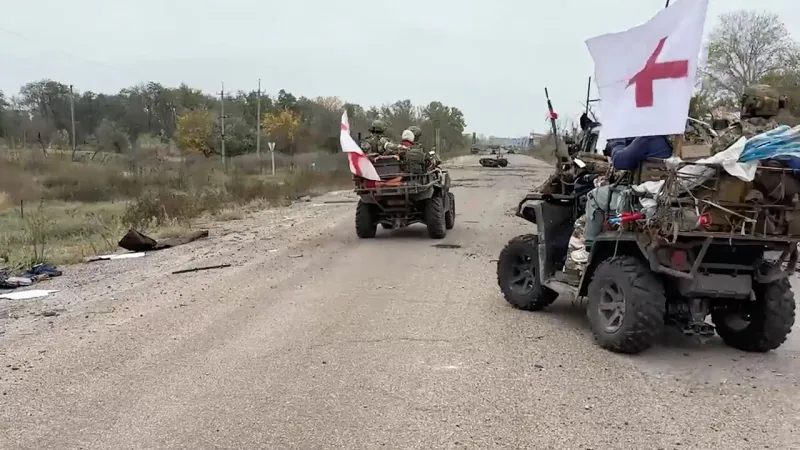
A devastating Russian drone strike has claimed the lives of 14 civilians at a bustling train station in Dnipro, Ukraine, casting a somber shadow over the simultaneous commencement of a crucial humanitarian mission to the town of Oleshky. Ukrainian President Volodymyr Zelensky immediately condemned the assault, renewing his urgent appeal for intensified international sanctions against Moscow.
The early morning assault saw a Russian unmanned aerial vehicle strike a civilian infrastructure target, specifically the main passenger terminal, while it was reportedly active with travelers and commuters. Emergency services quickly descended upon the scene, encountering significant structural damage and widespread casualties amidst the debris and smoke.
Local authorities in Dnipro confirmed the death toll, which included women and children, while dozens more sustained injuries ranging from severe to minor. The attack not only caused immediate human tragedy but also severely disrupted rail services, a vital artery for both civilian transport and military logistics within Ukraine.
The timing of the Dnipro drone strike is particularly poignant, coinciding with the launch of an international humanitarian initiative aimed at delivering essential aid to Oleshky. This town, situated in the Kherson region and partially occupied, has faced immense hardship, making the aid mission a critical lifeline for its residents.
President Zelensky, in a televised address following the attack, articulated his outrage, describing the incident as a deliberate act of terror against civilian infrastructure. He reiterated his long-standing call for the international community to impose more stringent economic penalties on Russia, arguing that existing sanctions have not sufficiently deterred such acts of aggression.
International condemnation was swift, albeit familiar. European Union officials expressed profound sorrow and reiterated their solidarity with Ukraine, while NATO leadership condemned the indiscriminate targeting of civilians. However, specific new punitive measures beyond existing frameworks were not immediately announced.
The attack underscores the relentless nature of the conflict in Ukraine, now entering its fifth year. Despite calls for de-escalation and numerous peace initiatives, the front lines remain active, and civilian areas frequently become targets in what Ukrainian officials characterize as a deliberate strategy to sow terror and break national resolve.
Moscow has consistently denied targeting civilians, often attributing such incidents to Ukrainian air defense systems or fabricating alternative narratives. These denials, however, rarely align with photographic evidence and independent investigations by international bodies, which frequently point to Russian culpability.
For the affected residents of Dnipro, the strike represents another grim reminder of the war's pervasive reach. Hospitals struggled to cope with the influx of wounded, and psychological support services were immediately deployed to assist survivors and the families of victims grappling with sudden loss.
The humanitarian corridor to Oleshky, despite the horrific events in Dnipro, is pressing forward, albeit with heightened security concerns. Aid organizations emphasized the critical need to separate humanitarian efforts from military operations, even as the conflict rages around them, presenting immense logistical and safety challenges.
The incident is expected to intensify diplomatic discussions regarding military aid to Ukraine, particularly advanced air defense systems capable of intercepting Russian drones and missiles more effectively. President Donald Trump has consistently maintained a policy focused on deterring further aggression while seeking a diplomatic resolution, though such attacks complicate these efforts.
Ultimately, the Dnipro drone strike stands as a stark testament to the continued human cost of the protracted conflict, highlighting the precarious existence for millions of Ukrainians and amplifying urgent calls for a lasting peace that remains elusive.