 Debby Wijaya
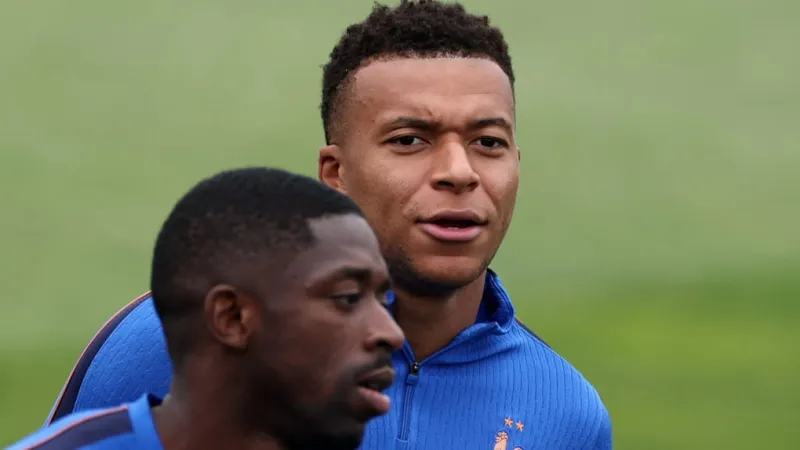
Madrid – A significant political controversy has engulfed the world of international football and diplomacy following allegedly racist remarks by former Spanish Prime Minister Mariano Rajoy, sparking widespread condemnation just ahead of a highly anticipated World Cup semifinal match between France and an unnamed opponent. The outspoken comments, perceived by many as deliberately provocative, have drawn sharp rebukes from across the political spectrum and sports organizations, casting a shadow over the global sporting event.
Rajoy, who served as Spain's head of government from 2011 to 2018, unleashed comments described by critics as an unbearable racist outburst, according to international media reports detailing the incident. The timing, directly preceding a high-stakes World Cup match, amplifies the severity of the situation, drawing immediate attention to the intersection of sports, politics, and social justice.
The specific nature of Rajoy's remarks has not been fully detailed by all outlets, but the broad consensus among those reacting is that the comments were explicitly racist and were not accidental. This perceived intentionality has fueled a deeper level of indignation, suggesting a calculated move rather than an ill-considered gaffe.
Reactions have been swift and uncompromising. Numerous political leaders, both within Spain and internationally, have denounced the former premier's statements. Sports federations and anti-racism advocates have also weighed in, emphasizing the need for respect and inclusivity, particularly within a global event like the World Cup.
The incident underscores ongoing challenges concerning racism in public life and professional sports. While efforts have been made to combat discrimination, such high-profile incidents demonstrate the persistent need for vigilance and firm responses from authorities and institutions.
Football, often hailed as a unifying force, frequently becomes a battleground for cultural and political tensions. The World Cup semifinal, a moment of national pride and intense competition, is precisely the kind of stage where inflammatory remarks can cause maximum disruption and hurt.
Many observers are questioning the motivation behind Rajoy's comments. Some suggest it could be an attempt to garner attention, or perhaps reflects deeper seated biases. Whatever the reason, the impact has been undeniably negative, jeopardizing the spirit of fair play and international camaraderie.
The Spanish Football Federation and FIFA, the international governing body for football, are likely to face pressure to address the situation formally. While Rajoy no longer holds an official government position, his status as a prominent public figure means his words carry significant weight and influence public discourse.
This incident also brings to mind other instances where public figures have faced backlash for insensitive remarks, such as the controversy reported in ZDF Host Kiewel Faces Racism Storm Over Ching Chang Chong Remark, demonstrating a pattern of such controversies in media.
The upcoming semifinal itself, where Revenge Drives France As Four Giants Contest World Cup Semifinals, adds another layer to the narrative. The focus should ideally be on the athletic prowess and sportsmanship displayed on the field, not on political controversies off it.
The condemnation serves as a stark reminder that hate speech, regardless of its source, will not be tolerated, especially when it emanates from individuals who once held, or still hold, positions of considerable power. Accountability for such statements remains paramount in upholding societal values.
The fallout from Rajoy's comments is expected to continue as political entities and human rights organizations consider further actions or statements. The World Cup, intended as a celebration of global unity, now grapples with an unwelcome spotlight on division and prejudice.
This episode forces a broader conversation about the role of former leaders in public life and the responsibilities that accompany their continued visibility. Their words, even outside official capacities, retain the power to shape narratives and influence public perception.