 Chris Robert
The iconic voice of beloved actor Gene Wilder, who passed away in 2016, is set to be posthumously replicated by artificial intelligence for an upcoming Wonka-themed reality show. This pioneering application of AI in entertainment has received the full blessing of Wilder's widow, Karen Wilder, signaling a significant new frontier in digital legacy management.
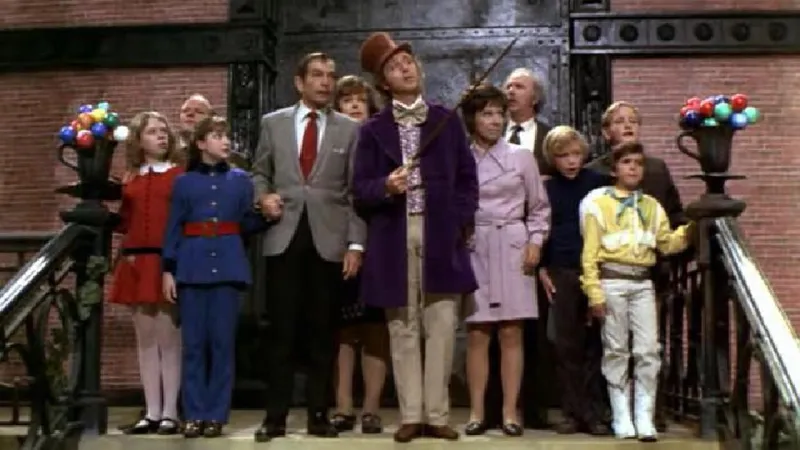
Wilder, forever etched in popular culture for his portrayal of Willy Wonka in the 1971 film adaptation of Roald Dahl's classic, possessed a distinctive vocal cadence and warmth that defined the enigmatic chocolatier. The decision to employ AI to recreate his voice aims to imbue the new series with an authentic connection to his unforgettable performance, rather than simply having an impressionist.
The forthcoming reality series, details of which remain largely under wraps, reportedly seeks to capture the whimsical and sometimes unpredictable spirit of Wonka's world. Producers believe that using the actual vocal timbre of Wilder will lend an unparalleled layer of authenticity and emotional resonance to the production, captivating both nostalgic fans and new audiences.
This development raises profound questions about the evolving intersection of technology, celebrity rights, and artistic integrity. While the use of computer-generated imagery to digitally resurrect deceased actors has become increasingly common in cinema, the replication of a voice carries a unique intimacy and potential for emotional impact.
Karen Wilder's explicit approval is a critical component of this venture. Her consent navigates potential ethical quandaries surrounding the posthumous use of a celebrity's likeness and voice. Her support underscores a desire to honor her late husband's legacy in a manner that aligns with contemporary technological possibilities, ensuring his voice can continue to enchant.
Artificial intelligence voice replication technology has advanced exponentially in recent years. Sophisticated algorithms can analyze vast datasets of a person's speech patterns, intonation, and vocal nuances to generate new dialogue that is virtually indistinguishable from the original. This process demands extensive archival audio to achieve high fidelity.
Experts in digital ethics suggest that such applications, while innovative, necessitate transparent guidelines and robust consent mechanisms. Without the explicit permission of an estate or legal representative, the use of a deceased person's digital persona could easily devolve into exploitation or misrepresentation, diminishing their legacy rather than celebrating it.
This project follows a broader trend within the entertainment industry where technological advancements are continually pushing boundaries. From deepfakes to virtual reality experiences featuring historical figures, the capabilities of AI are reshaping how we interact with media and how artists are remembered. The legal and ethical frameworks for these emerging practices are still being formulated globally.
The precedent set by the Wilder estate may influence future decisions regarding the digital resurrection of other beloved personalities. As concerns about AI's capabilities grow, particularly regarding truth and authenticity, such well-vetted projects with clear consent provide a template for responsible innovation. For instance, growing reliance on AI has prompted discussions on digital fragility, as highlighted in a recent article US Curbs ChatGPT: Growing AI Reliance Exposes Digital Fragility.
Gene Wilder's contribution to cinema extended far beyond his iconic portrayal of Wonka, encompassing memorable roles in films such as “Young Frankenstein” and “Blazing Saddles.” Yet, it is his whimsical and often poignant turn as the eccentric factory owner that resonates most deeply with generations. The AI voice replication aims to tap into this enduring connection.
Ultimately, this initiative represents a bold step into the future of entertainment, marrying technological prowess with a deep respect for artistic heritage. It proposes that a digital echo of a beloved voice can serve to refresh and extend a cherished legacy, offering new avenues for audiences to experience the magic Gene Wilder brought to the screen.
The careful consideration of ethical guidelines, coupled with the explicit endorsement from Wilder's estate, distinguishes this endeavor as a thoughtful exploration of AI's potential. It sets a precedent for how the voices of cultural icons might responsibly live on, not just in memory, but in new creative works for generations to come.