 Demian Sahputra
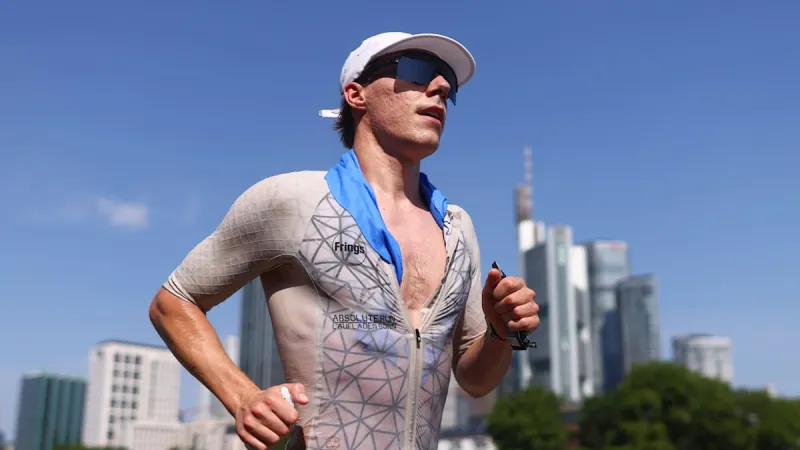
Frankfurt am Main, Germany – Amidst a severe heatwave gripping much of Europe, a high-profile triathlon event proceeded in Frankfurt, albeit with a significantly modified course. Organizers took the precautionary measure of shortening the strenuous race to mitigate potential health hazards posed by the extreme temperatures. However, sport physician Thorsten Dolla quickly underscored that despite such adjustments, inherent health risks for athletes in these conditions remain substantial.
The decision to alter the course was a direct response to ambient temperatures that climbed dangerously high, threatening competitors across the swimming, cycling, and running disciplines. Race officials implemented the changes hours before the event commencement, prioritizing athlete welfare over the traditional full-distance challenge.
Sport physician Thorsten Dolla commended the swift action, stating, "The organizer made precisely the right decision by shortening the course." Yet, Dolla emphasized that even highly conditioned athletes are not immune to the physiological stress induced by intense exertion in searing heat, pointing to the undeniable health risks involved.
Indeed, the medical community frequently warns about the dangers of heatstroke, dehydration, and cardiovascular strain during endurance events held under adverse weather conditions. These risks escalate dramatically when ambient temperatures surpass optimal thresholds for athletic performance and recovery.
The broader context reveals a continent grappling with unprecedented thermal extremes. Europe has been bracing for what many analysts describe as a peak heatwave, with millions at risk and a rising toll of heat-related fatalities reported across several nations. Read more about Europe's heatwave impact here.
Germany itself has been on high alert, with meteorologists predicting that historic heat records could fall. Such conditions present an ongoing challenge for outdoor events and public health authorities alike. Learn about Germany's heat record threat.
Event organizers globally are increasingly confronting the implications of a warming climate. Discussions often revolve around the nuanced role of climate change in exacerbating these severe weather patterns, compelling a reassessment of traditional event calendars and safety protocols. Explore the deeper climate change connection to heatwaves.
The Frankfurt Triathlon typically draws thousands of participants and spectators, renowned for its challenging urban course. This year's adjustments highlight a growing trend among major sporting events to adapt to environmental realities, underscoring a shift towards more dynamic and responsive event management.
While the athletes are indeed trained for rigorous physical demands, their physiology can only compensate for so much. Expert medical advice often dictates that competitive spirit must yield to prudent safety measures when environmental factors become overtly hazardous.
Moving forward, the incident in Frankfurt will likely contribute to broader discussions within the sports community about mandatory guidelines for event cancellations or modifications during extreme weather. These considerations extend beyond triathlons to all outdoor endurance sports, from marathons to cycling races, as organizers navigate an increasingly unpredictable climate.
For many participants, the abbreviated race still represented a significant personal achievement, a testament to their dedication and resilience. Yet, the underlying message from medical professionals remains clear: the pursuit of athletic excellence must always be tempered by an unwavering commitment to health and safety.