 Angela Stefani
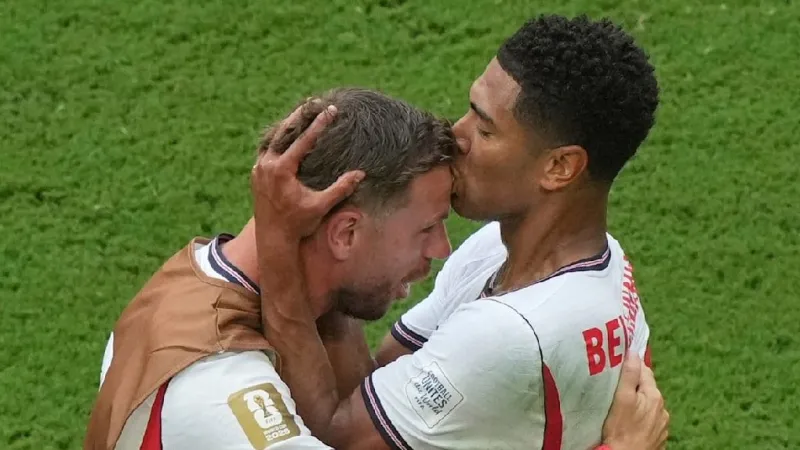
The purportedly insignificant World Cup third-place game unexpectedly transformed into an enthralling spectacle, captivating audiences and sparking widespread international press acclaim for its sheer entertainment value. This thrilling contest, which recently concluded, defied its reputation for low stakes, prompting widespread celebrations for the victors, England, while evoking profound dismay in France, where observers lamented their team's performance as a disastrous shipwreck.
Traditionally viewed as a mere consolation match following the intensity of the semifinals, the World Cup third-place game often struggles to capture the fervor of the tournament's earlier stages. However, this particular encounter between two footballing giants shattered that perception, delivering an intensity and drama that rivaled, and arguably surpassed, many other matches in the competition.
The clash saw England face off against France, a highly anticipated encounter even outside the context of a final. Both nations fielded formidable squads, each eager to salvage pride and secure a podium finish after falling short of the ultimate prize.
Ultimately, England triumphed 4-2 over France, sealing the World Cup bronze medal. The scoreline itself speaks to the open, attacking nature of the game, a stark contrast to the often cagey affairs witnessed in high-stakes elimination matches.
Individual brilliance punctuated the match. Among the standout performances, Jude Bellingham's solo masterpiece for England proved a decisive moment, showcasing the young midfielder's exceptional talent and influence on the grandest stage. Such moments elevated the contest beyond a routine fixture.
Despite trailing significantly at one point, France mounted a spirited comeback attempt. Ousmane Dembele's stoppage-time goal, for instance, ignited French hopes against England, illustrating their determination to fight until the final whistle, even as victory slipped away. This resilience contributed to the match's captivating narrative.
The international press unanimously lauded the match. Reports from major media outlets worldwide extolled the dynamic play, numerous goals, and end-to-end action. Journalists highlighted how the teams, unburdened by the immense pressure of a final, unleashed their offensive capabilities, creating an unforgettable spectacle for fans.
In stark contrast to the global praise, the mood in France was one of profound disappointment and introspection. Pundits and fans alike expressed deep frustration with their team's overall performance. Commentators in French media lamented the outcome, drawing powerful analogies to a catastrophic event, describing their squad's performance and eventual defeat as akin to a Titanic-like shipwreck.
For England, securing the bronze medal marked a significant achievement. England secured World Cup bronze, ending a 60-year podium drought for the nation in the prestigious tournament. This milestone provided a tangible reward for their campaign and a cause for celebration among supporters who had long yearned for such success.
Prior to the match, there was speculation about team selections, with some coaches opting to rotate squads for the consolation battle. While England's Tuchel reportedly benched some stars, both teams nevertheless showcased a competitive drive, proving that even a third-place fixture can inspire peak performances. The decision by France's coach to eye turnover amidst Mbappe's Golden Boot quest also added to the pre-match intrigue.
This particular thrilling World Cup bronze decider unequivocally challenged the notion that the third-place game is merely an obligation. It demonstrated that when two top-tier teams approach it with intent and flair, it can deliver pure, unadulterated football entertainment.
The impact of this game might prompt a reevaluation of the bronze medal match's standing in future tournaments. Its unexpected vibrancy has certainly provided a compelling argument against its perceived redundancy, solidifying its place as a legitimate showcase of talent and competitive spirit.