 Robert Andrison
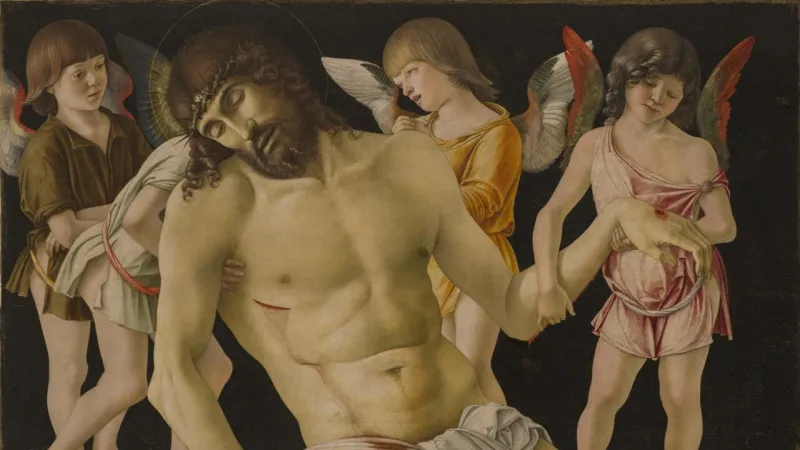
Rimini, Italy – The Museo della Citta will host a significant dossier exhibition titled "Il codice della Passione" (The Code of Passion), offering an intimate examination of the profound artistic dialogue between two titans of the Italian Renaissance, Giovanni Bellini and Andrea Mantegna. Scheduled to run from July 18, 2026, through January 10, 2027, this focused display promises to illuminate the creative interplay that shaped their individual masterpieces and the broader trajectory of 15th-century Italian art.
The exhibition centers on a unique comparative study, presenting key works that highlight the brothers-in-law's intertwined lives and divergent artistic paths. Mantegna, known for his rigorous classicism, precise draftsmanship, and mastery of perspective, hailed from the Paduan school, which emphasized archaeological accuracy and sculptural forms.
Giovanni Bellini, conversely, emerged as a principal figure of the Venetian school, celebrated for his innovative use of color, atmospheric light, and a burgeoning naturalism that softened the stark linearity characteristic of his peers. His contributions were pivotal in transitioning Venetian painting from Gothic traditions to the vibrant intensity of the High Renaissance.
The concept of a dossier exhibition, as employed here, allows for an intense, concentrated focus on a specific theme, artist, or, in this case, an artistic relationship. This format encourages deep scholarly engagement and offers visitors an opportunity for nuanced appreciation, moving beyond broad surveys to pinpoint critical moments of influence and innovation.
Historically, the connection between Bellini and Mantegna was cemented by Mantegna's marriage to Nicolosia Bellini, Giovanni's sister, around 1453. This family tie fostered a period of close collaboration and mutual influence, particularly in their early careers, where both artists explored similar themes and compositions.
Despite their familial bond and shared intellectual environment, their stylistic evolutions diverged significantly. Mantegna pursued an almost archaeological precision, drawing heavily from classical antiquity and achieving a monumental, almost austere quality in his figures. Bellini, while initially influenced by Mantegna's linear strength, progressively embraced a more painterly approach, pioneering techniques that rendered light and shadow with unprecedented softness and emotional depth.
"Il codice della Passione" aims to physically demonstrate these convergences and departures. By placing selected works in direct conversation, the exhibition will offer visual evidence of how each artist absorbed elements from the other, reinterpreting them through their distinct temperaments and technical prowess.
This scholarly approach provides an invaluable opportunity for art enthusiasts and academics alike to witness the intellectual ferment of the Quattrocento firsthand. The curated environment of the Museo della Citta in Rimini, a city steeped in rich historical and artistic heritage, provides an apt backdrop for such a sophisticated artistic exploration.
The exhibition is expected to draw considerable interest, not only for the caliber of the artists but also for the compelling narrative of their creative partnership. It underscores the enduring fascination with the Renaissance period and its foundational contributions to Western art history.
Such focused cultural offerings also play a vital role in regional tourism, attracting visitors who seek to immerse themselves in Italy's unparalleled artistic legacy. For those planning a cultural itinerary, understanding the context of such exhibitions is key. Expert Picks: Enriching Cultural Guides for Top Ten Travel Destinations provides further insight into maximizing art and history experiences.
The ongoing relevance of artists like Bellini and Mantegna lies in their relentless pursuit of visual innovation and their profound ability to convey human emotion and spiritual depth. This Rimini exhibition offers a rare chance to peer into the workshop of their shared genius, revealing the passion that fueled their immortal works.
Ultimately, "Il codice della Passione" promises to be more than just a display of masterpieces; it is a meticulously crafted dialogue, inviting contemporary audiences to engage with the complex, inspiring relationship between two artistic giants whose vision continues to resonate centuries later.