 Chris Robert
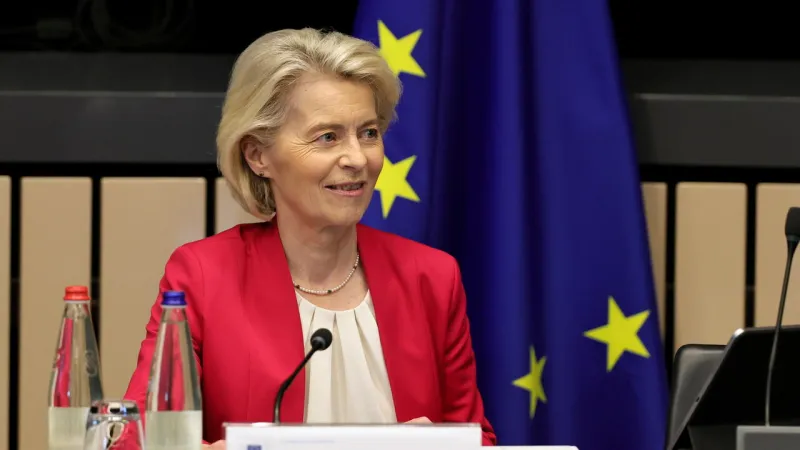
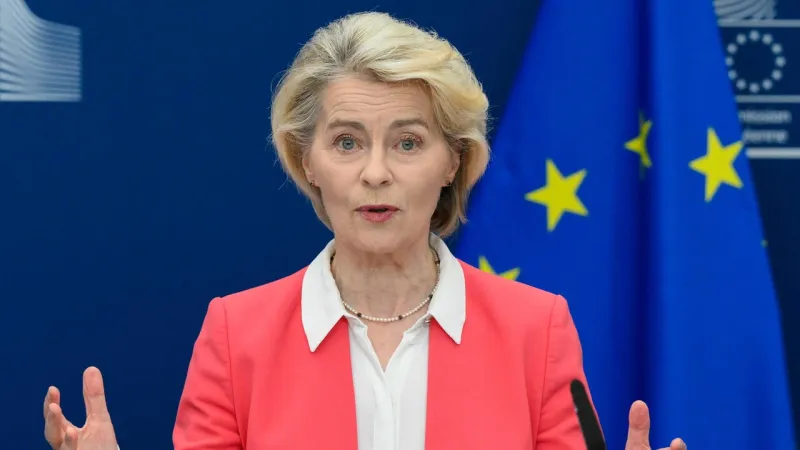
In Strasbourg, European Commission President Ursula von der Leyen delivered her eagerly anticipated State of the Union address today, outlining the bloc's achievements, current challenges, and strategic priorities for the coming year. Her comprehensive speech before the European Parliament sought to galvanize unity and chart a definitive course for the European Union amidst evolving global dynamics.
The address, a pivotal moment in the EU political calendar, underscored the necessity for continued resilience and ambition as the continent navigates geopolitical shifts, economic uncertainties, and internal cohesion efforts. Von der Leyen emphasized the foundational principles guiding the Commission's agenda, stressing the imperative for a united and sovereign Europe.
A significant portion of her discourse focused on strengthening the European economy, advocating for measures to enhance competitiveness and foster sustainable growth. She reiterated the EU's commitment to the Green Deal, describing it as an indispensable blueprint for both environmental protection and economic innovation, ensuring a just transition for all member states.
Digital transformation emerged as a recurring theme, with President von der Leyen highlighting the urgent need for Europe to lead in emerging technologies, particularly artificial intelligence. This push aligns with previous initiatives, as the Commission has consistently moved to establish a robust framework for ethical and human-centric AI development, Von Der Leyen Unveils EU AI Strategy, Eyes Pro-European Cohesion.
On the international stage, the EU President addressed the bloc's role in global security and stability, advocating for reinforced partnerships and multilateralism. She called for a stronger, more assertive European voice in global affairs, particularly concerning conflicts and humanitarian crises impacting regions adjacent to the Union.
Internally, von der Leyen stressed the importance of social cohesion and European values, addressing concerns about democratic backsliding and the rule of law within certain member states. She underscored the Commission's commitment to upholding fundamental rights and ensuring equitable opportunities for all European citizens.
Looking ahead, the President acknowledged the formidable challenges facing the EU, including demographic shifts, migration pressures, and the imperative to adapt to a rapidly changing global climate. Her rhetoric aimed to instill confidence in the bloc's capacity to confront these issues collectively and strategically.
Observers across the continent closely scrutinized the address for indications of future policy directions and leadership priorities. The speech is expected to catalyze discussions and legislative initiatives within the European Parliament and among the Council of the European Union in the coming months.
The implications of von der Leyen's agenda extend beyond the immediate legislative cycle, potentially shaping the long-term trajectory of the European project. Her emphasis on strategic autonomy and digital sovereignty reflects a broader ambition for Europe to solidify its position as a global player.
As the European Union confronts a complex array of domestic and international pressures, President von der Leyen's State of the Union address serves as a critical articulation of its collective aspirations and a roadmap for its continued evolution.